






In this blogpost:
Como a Exposição ao Frio Influencia a Noradrenalina, o Foco e o Humor
Saiba como a exposição ao frio afeta a noradrenalina, o estado de alerta, o foco e o humor, e por que essa substância química de resposta ao estresse desempenha um papel importante na terapia pelo frio.

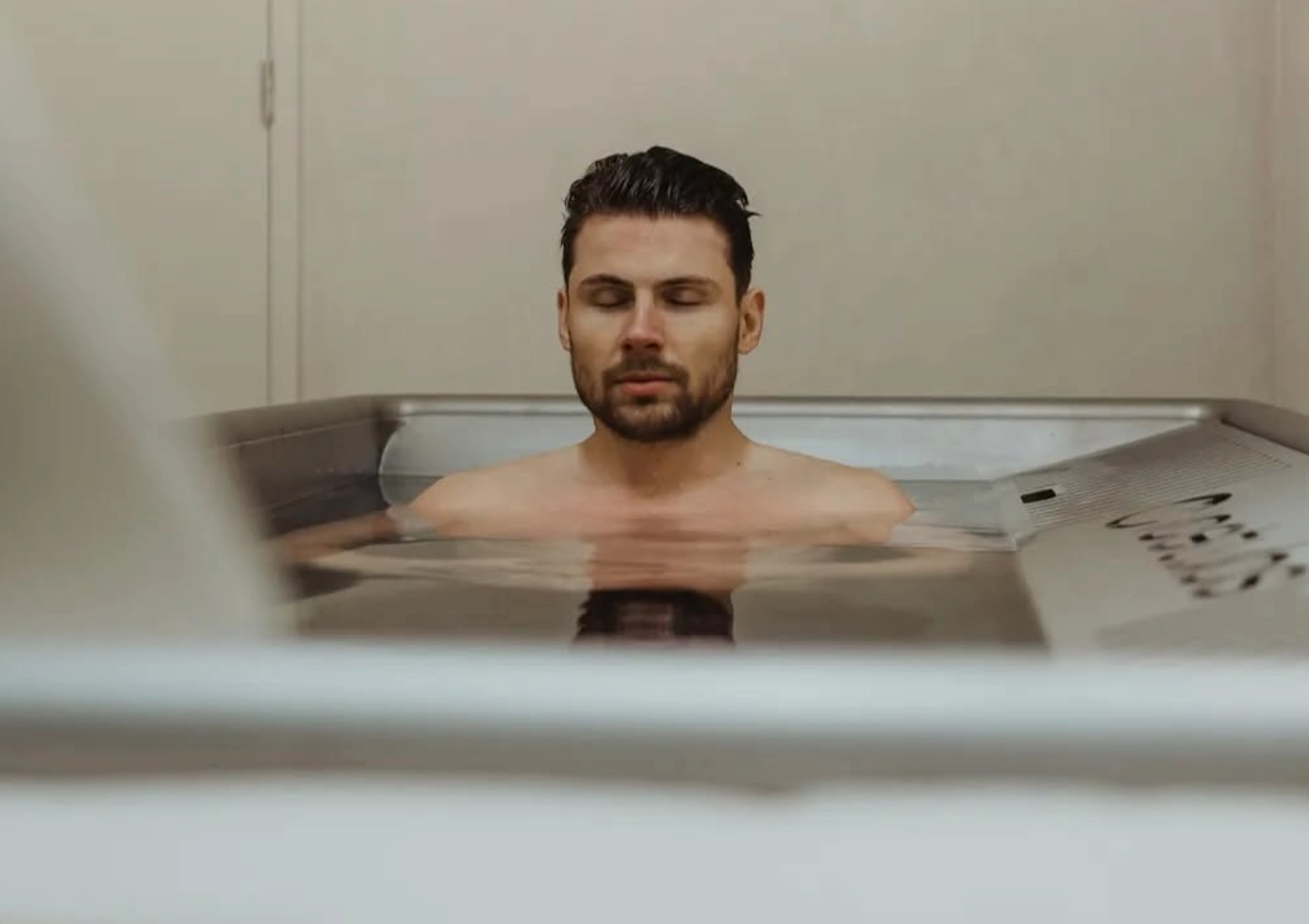
Uma das primeiras coisas que você nota ao entrar na água fria é que você se torna muito presente.
Sua atenção se desvia de todo o resto.
Você nota sua respiração. Você nota a temperatura. Você se concentra em manter a calma.
A noradrenalina é um dos principais agentes fisiológicos por trás dessa resposta.
É tanto um neurotransmissor quanto um hormônio envolvido no estado de alerta, na atenção, na circulação e na resposta do corpo ao estresse.
A exposição ao frio dá ao seu sistema nervoso um motivo poderoso para ativá-la.
O que é noradrenalina?
A noradrenalina, também chamada de norepinefrina, desempenha um papel importante no sistema nervoso simpático.
Ela ajuda a regular o estado de alerta, a atenção, a pressão arterial, a frequência cardíaca e a resposta do corpo a situações desafiadoras.
O seu corpo produz noradrenalina naturalmente ao longo do dia.
Quando o seu corpo enfrenta um fator de estresse repentino, a atividade dessa substância pode aumentar rapidamente.
O frio é um desses fatores de estresse.
O que acontece quando você entra em água fria?
Os primeiros momentos de um mergulho no gelo desencadeiam uma forte resposta sensorial.
Os receptores de frio na sua pele detectam a temperatura e enviam sinais através do seu sistema nervoso.
O seu sistema nervoso simpático torna-se mais ativo.
Os vasos sanguíneos contraem-se. A frequência cardíaca pode aumentar. A respiração pode acelerar.
A noradrenalina é liberada como parte dessa resposta, ajudando o seu corpo a ficar mais alerta e, ao mesmo tempo, apoiando os mecanismos fisiológicos que conservam o calor.
Essa é uma das razões pelas quais a exposição ao frio pode ser imediatamente estimulante.
Por que o frio faz você se sentir mais desperto?
A resposta é, em parte, neurológica.
A norepinefrina está intimamente ligada à excitação e à atenção. Quando seus níveis aumentam, o cérebro entra em um estado de maior alerta.
Isso torna difícil continuar distraído.
Se você entrar em uma imersão no gelo pensando em dez coisas diferentes, a temperatura rapidamente lhe dá uma prioridade: controlar a respiração e manter a calma.
Esse foco forçado é parte da experiência.
E quanto ao humor?
A norepinefrina também está conectada à regulação do humor.
No entanto, seria simplista demais dizer que aumentar a norepinefrina melhora automaticamente o seu humor.
A exposição ao frio cria uma resposta mais ampla que envolve o sistema nervoso simpático, outros neurotransmissores, hormônios, a circulação e a sua percepção da experiência.
A sensação de bem-estar que você pode sentir depois pode, portanto, ter vários fatores contribuintes.
A resposta muda com a prática?
Pode mudar.
A exposição repetida ao frio pode levar à habituação.
O choque térmico inicial pode se tornar menos pronunciado. Sua respiração pode ficar mais fácil de controlar e a mesma temperatura pode não causar mais o mesmo nível de pânico ou surpresa.
Isso não significa que a norepinefrina pare de reagir.
Pelo contrário, seu corpo se torna mais familiarizado com o estímulo.
O desafio torna-se mais previsível.
O controle da temperatura é importante
A resposta fisiológica depende, em parte, de quão frio é o ambiente de exposição.
É por isso que a consistência é útil.
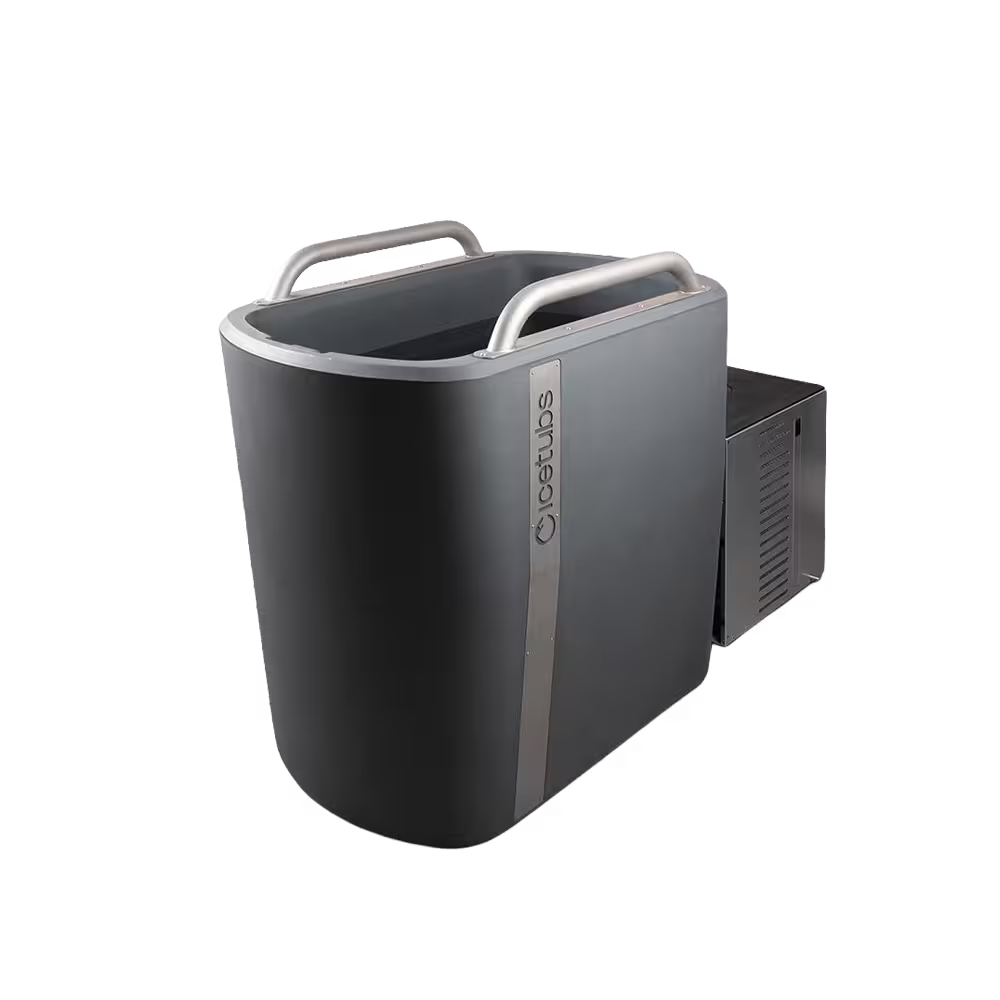
A Icetubs dá-lhe controlo sobre a temperatura da água, permitindo-lhe repetir a exposição em condições semelhantes, em vez de depender da temperatura que estiver disponível no momento.
Isso pode ajudá-lo a compreender como o seu corpo reage à medida que se habitua gradualmente ao frio.
Deve procurar a resposta mais intensa?
Não necessariamente.
Uma resposta ao stress mais forte não significa automaticamente um melhor resultado.
A exposição ao frio é um estímulo controlado e o objetivo deve ser encontrar uma intensidade que consiga gerir de forma segura e consistente.
O objetivo não é sobrecarregar o seu sistema nervoso.
É criar uma experiência repetível que o desafie sem transformar cada sessão num evento extremo.
Uma visão mais abrangente
A noradrenalina ajuda a explicar por que a exposição ao frio pode ser tão energizante.
O frio ativa o seu sistema nervoso, aumenta o estado de alerta, altera a circulação e exige a sua atenção.
Essa resposta faz parte da tentativa do seu corpo de lidar com o desafio térmico.
Quanto mais você entende isso, mais fácil fica perceber por que o banho de imersão em água gelada é muito mais do que simplesmente suportar baixas temperaturas.
Para uma análise mais aprofundada sobre como o sistema nervoso, os hormônios, o metabolismo e a circulação reagem em conjunto, retorne a A Ciência da Exposição ao Frio: Como Ela Afeta o Seu Corpo