



In this blogpost:
Kryotherapie für zu Hause vs. Eisbad: Was ist teurer?
Vergleichen Sie die Kosten für Kryotherapie zu Hause und Eisbäder, einschließlich Ausrüstung, laufender Kosten, Komfort, Wartung und langfristigem Wert.
Kältetherapie ist heute leichter zugänglich, doch die Kostenstruktur unterscheidet sich je nach Methode erheblich.
Sowohl Kryotherapie als auch Eisbäder bieten Kälteanwendungen.
Die Art und Weise, wie Sie für das Erlebnis bezahlen, ist jedoch grundlegend verschieden.
Kryotherapie ist in der Regel eine Dienstleistung.
Bei Eisbädern geht es meist um die Anschaffung eigener Geräte.
Wenn Sie die langfristigen Kosten verstehen, können Sie besser entscheiden, welcher Ansatz zu Ihrem Alltag passt.
So funktionieren die Kosten bei der Kryotherapie
Klassische Kryotherapie wird meist pro Sitzung abgerechnet.
Sie besuchen eine Einrichtung, führen die Behandlung durch und bezahlen jedes Mal. Manche Anbieter bieten Mitgliedschaften oder Pakete an, doch eine regelmäßige Nutzung erfordert dennoch fortlaufende Zahlungen.
Dieses Modell ist attraktiv, da keine Geräte gewartet werden müssen.
Sie kommen einfach vorbei und absolvieren Ihre Sitzung.
Der Nachteil ist, dass häufige Nutzung mit der Zeit kostspielig werden kann.
Die Kosten für ein Kältebad zu Hause
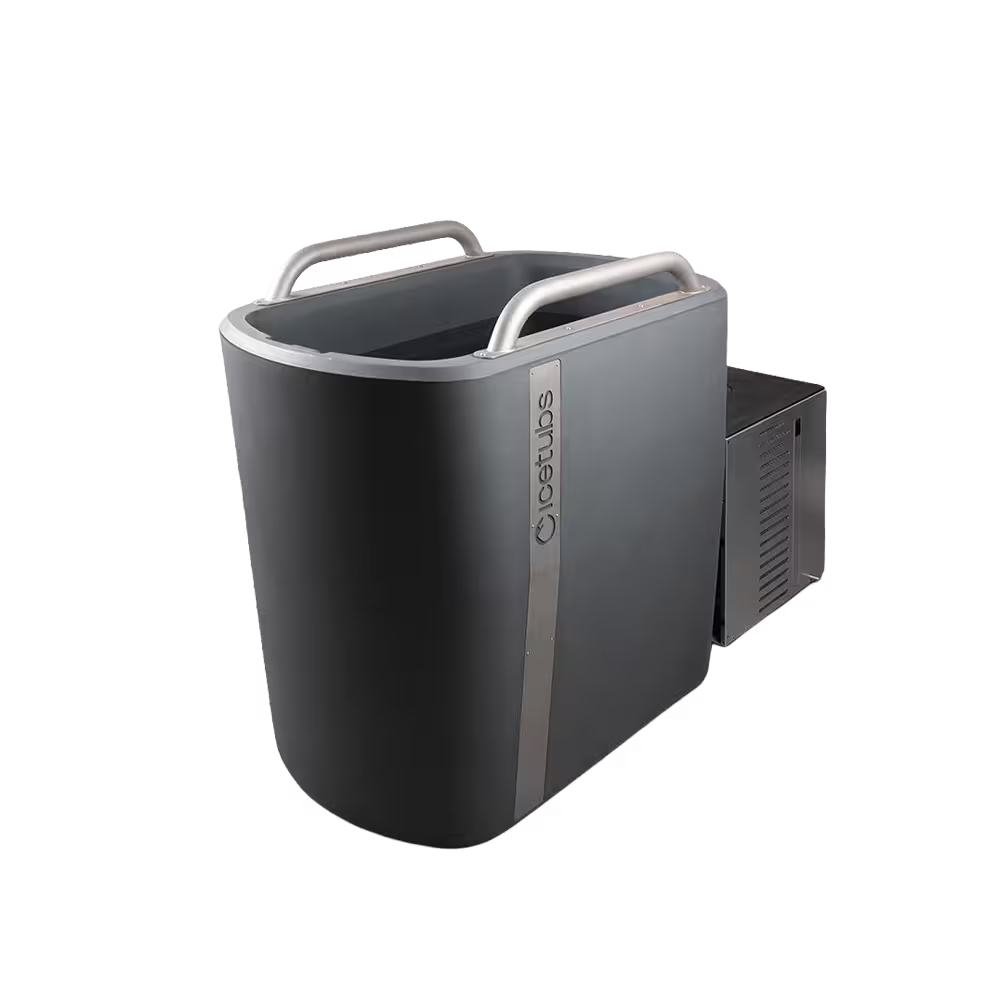
Ein Kältebad für zu Hause erfordert eine höhere Anfangsinvestition.
Sie benötigen das Becken, das Kühlsystem, die Installation und die Wartung.
Sobald es jedoch installiert ist, können Sie es beliebig oft nutzen, ohne pro Sitzung zu zahlen.
Der Wert zeigt sich besonders dann, wenn Sie die Kältetherapie mehrmals pro Woche anwenden.
Anstatt jedes Mal für die Kälteanwendung zu bezahlen, haben Sie jederzeit Zugriff, wenn es in Ihren Zeitplan passt.
Komfort hat seinen Wert
Kosten sind nicht nur eine Frage des Geldes.
Es geht auch um Zeit.
Eine Kryotherapie-Sitzung erfordert Anfahrt, Terminplanung und Verfügbarkeit. Wenn die Einrichtung nicht in der Nähe ist, wird der Prozess zu einem weiteren festen Termin in Ihrem Tagesablauf.
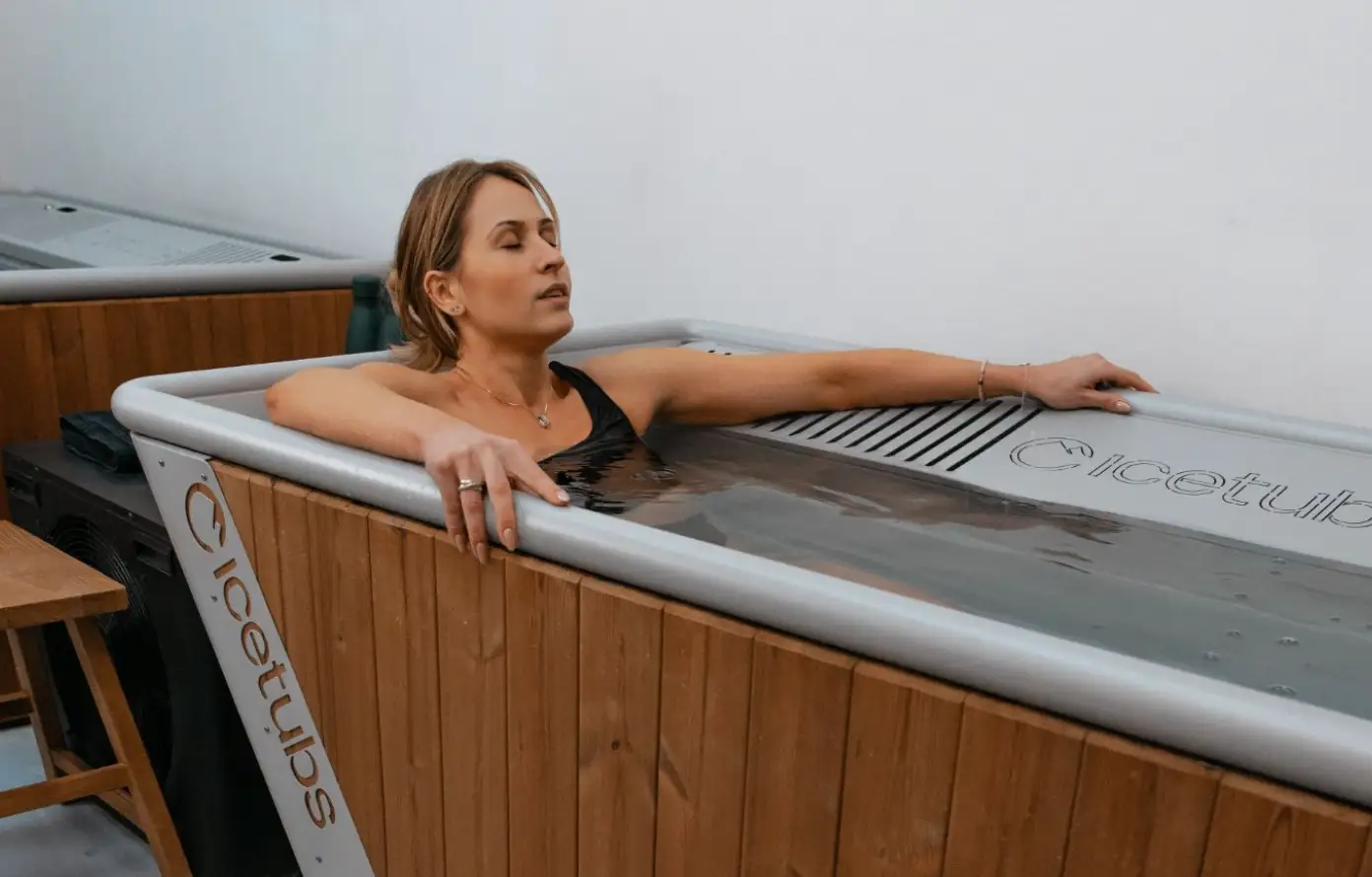
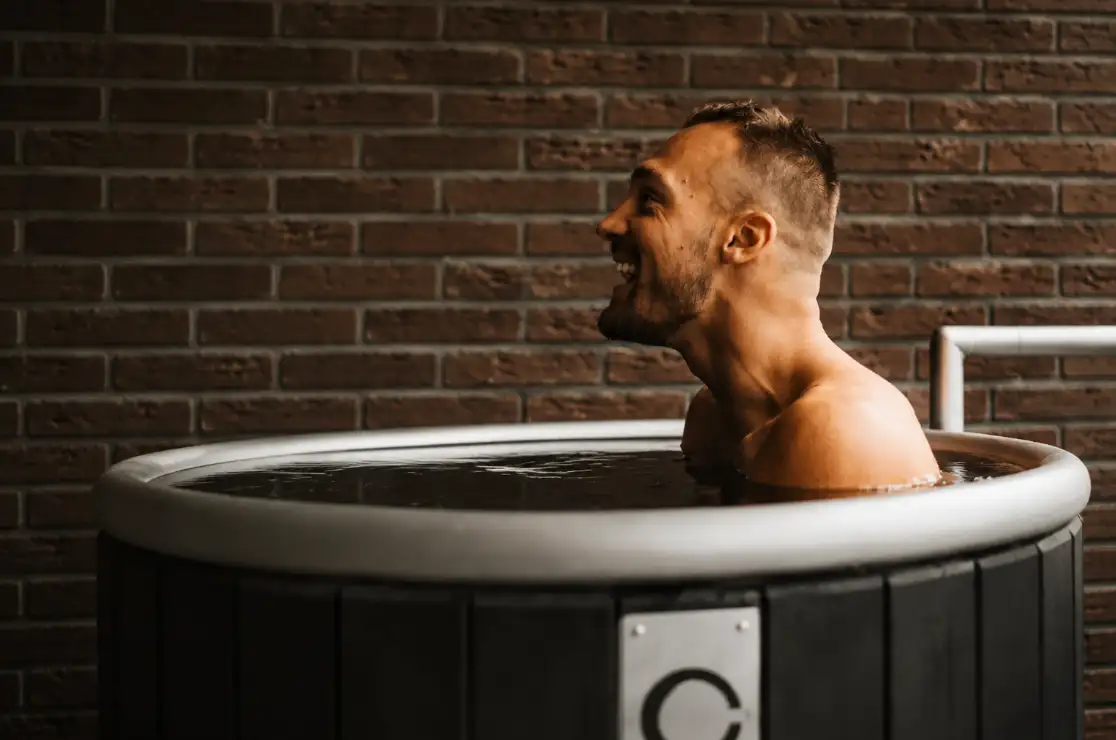
Ein Kaltwasserbecken für zu Hause beseitigt diese Hürden.
Sie können einfach nach draußen gehen, Ihre Sitzung absolvieren und direkt mit Ihrem Alltag weitermachen.
Für Menschen, die eine tägliche Routine aufbauen, ist die Bequemlichkeit oft einer der größten Vorteile.
Wartung sollte bedacht werden
Besitz bringt auch Verantwortung mit sich.
Ein Kaltwasserbecken erfordert Reinigung, Wasserpflege und die Wartung der Technik.
Ein gut durchdachtes System kann einen Teil dieser Arbeit abnehmen.
Icetubs kombiniert Kühlung, Filterung, Zirkulation und eine ozongestützte Wasserpflege, um regelmäßige Kälteanwendungen deutlich komfortabler zu machen, als jedes Mal manuell Eis und Wasser vorzubereiten.
Das Ziel ist nicht, den Wartungsaufwand auf null zu reduzieren.
Das Ziel ist eine einfachere Routine.
Was ist kosteneffizienter?
Die Antwort hängt von der Häufigkeit ab.
Kryotherapie kann sinnvoll sein, wenn:
• Sie Kältetherapie nur gelegentlich nutzen
• Sie professionelle Einrichtungen bevorzugen
• Sie keine Geräte bei sich zu Hause haben möchten
Ein Kältebecken ist möglicherweise sinnvoller, wenn:
• Sie Kältetherapie regelmäßig nutzen
• Sie wünschen sich zeitliche Flexibilität
• Sie möchten Ihr eigenes Equipment besitzen
• Sie wünschen sich mehr Kontrolle über die Temperatur
Je häufiger Sie trainieren, desto wichtiger wird der Komfort.
Denken Sie langfristig
Die günstigste Anschaffung ist auf Dauer nicht immer die preiswerteste Lösung.
Eine Methode, die Sie nur selten anwenden, bietet nur begrenzten Nutzen.
Eine Methode, die Teil Ihrer Routine wird, rechtfertigt eine größere Investition.
Bei der Kältetherapie geht es nicht nur um die Kälte an sich.
Es geht darum, eine Praxis zu etablieren, die Sie dauerhaft beibehalten können.
Für weitere Vergleiche zwischen Eisbädern, Kryotherapie, Duschen, Schwimmen und anderen Methoden, entdecken Sie Kältetherapie-Optionen im Vergleich: Welche ist die richtige für Sie?