





In this blogpost:
Cold Therapy Options Compared: Which Is Right for You?
Compare cold plunges, cryotherapy, cold showers, ice packs, swimming, and other cold therapy methods to find the right approach for your goals.
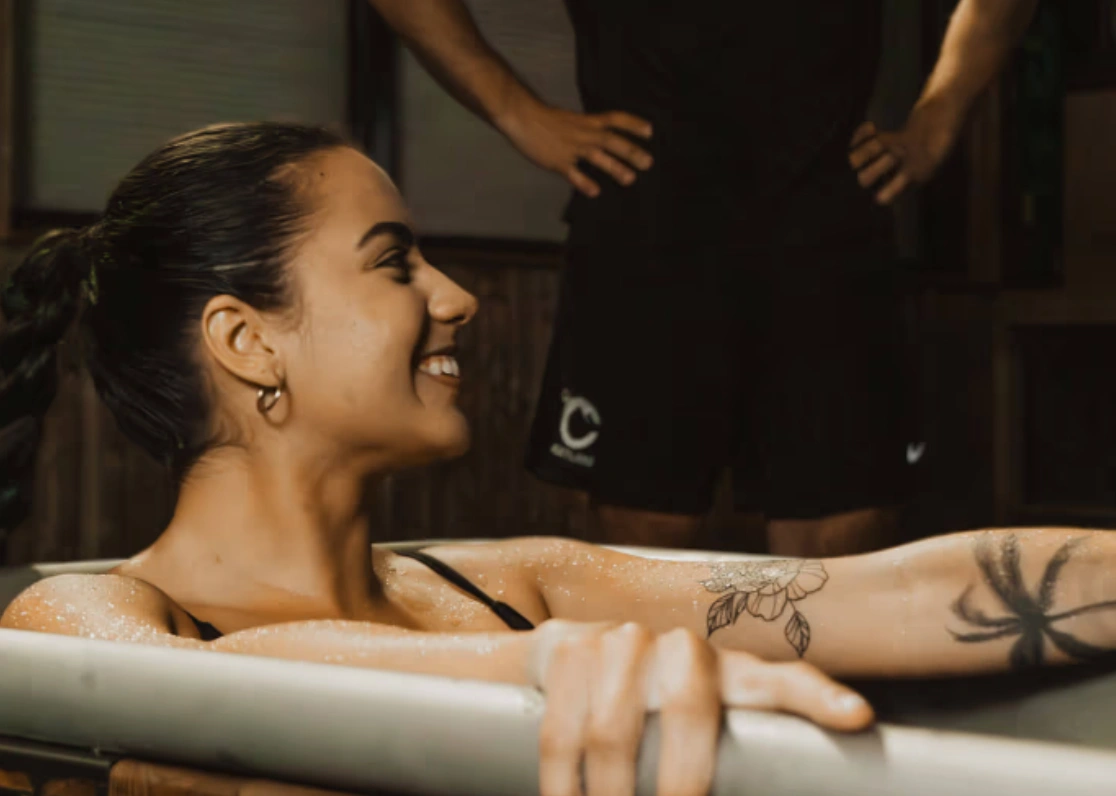
Cold therapy is no longer limited to elite athletes or extreme wellness routines.
Today, you can experience cold exposure in many ways: stepping into a cold shower, sitting in an ice bath, visiting a cryotherapy studio, swimming in natural cold water, or building a dedicated cold plunge routine at home.
Each method creates a different experience.
Some options focus on convenience. Others focus on full-body immersion, recovery, or building a long-term wellness habit.
The right choice depends less on what is considered the “best” method and more on what fits your goals, lifestyle, and consistency.
Cold Plunge: A Controlled Full-Body Experience
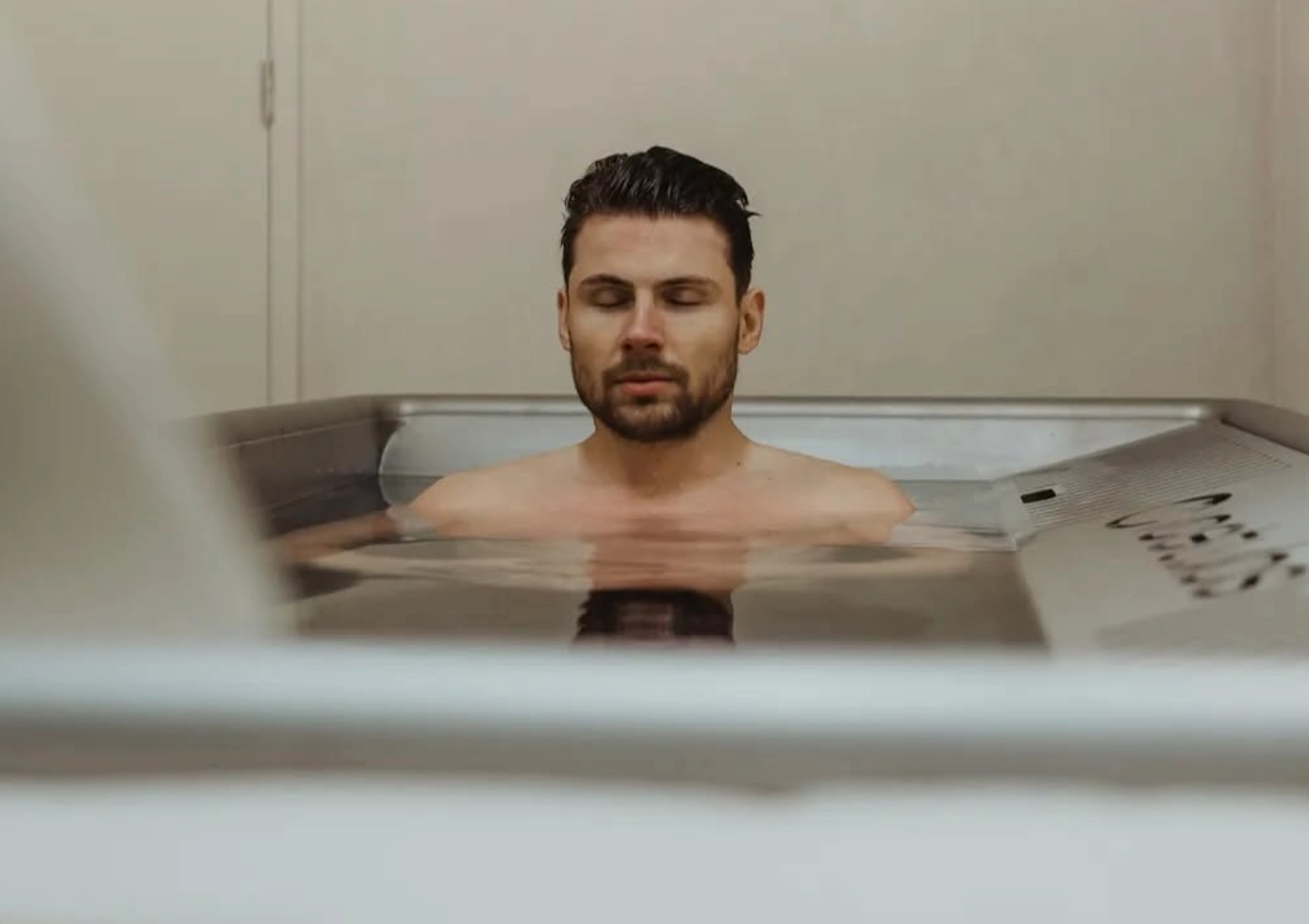
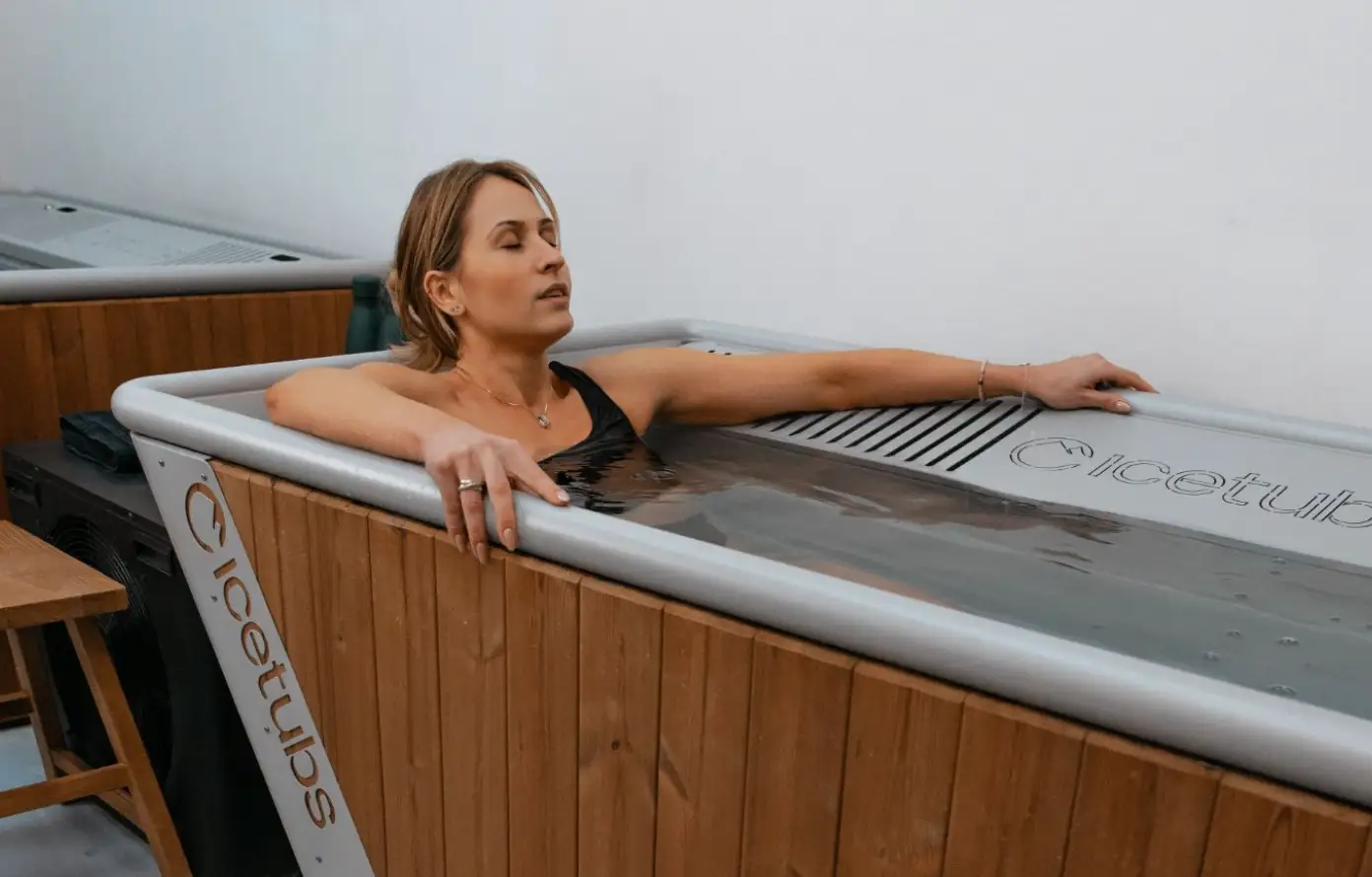
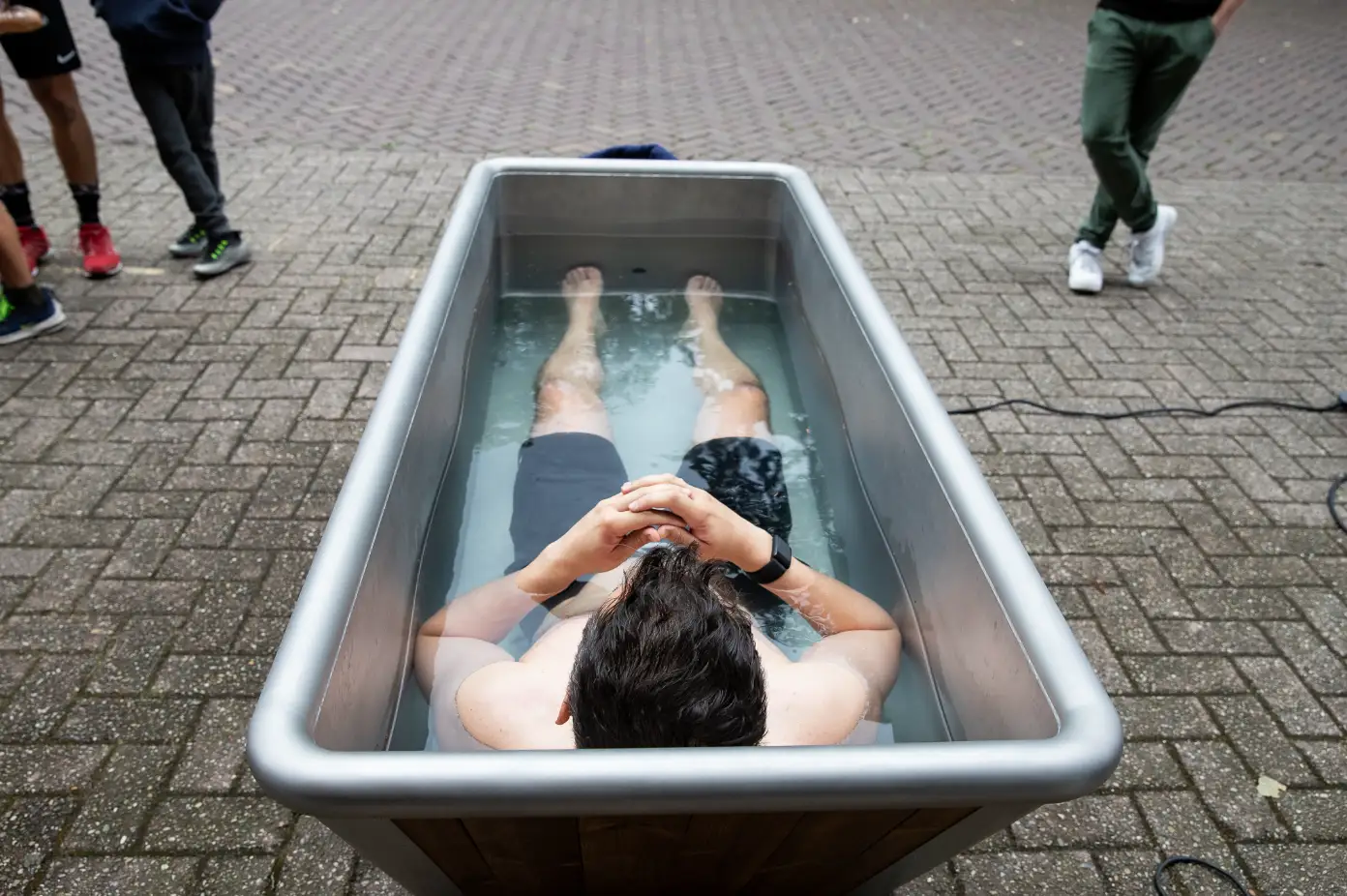
Cold plunging means immersing your body in cold water, usually up to the neck.
Compared with many other forms of cold exposure, it offers a highly controlled experience. You decide the temperature, duration, and frequency.
That control is one reason cold plunges have become popular among athletes, wellness enthusiasts, and people creating daily routines.
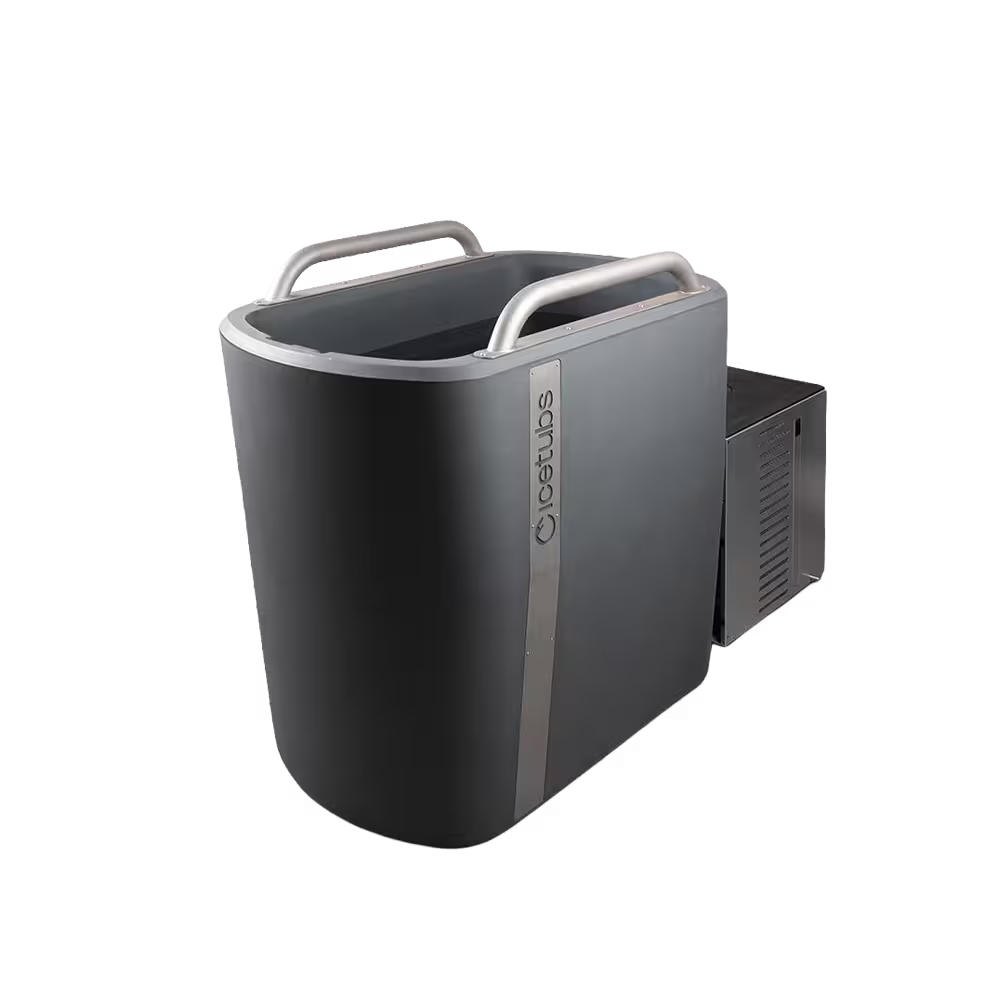
A cold plunge also creates a stronger environmental commitment. You need a dedicated setup and a habit around using it.
Icetubs focuses on making this experience easier to maintain through controlled temperature settings, integrated filtration, circulation, and water care features designed for regular cold exposure.
Cryotherapy: Short, Intense Cold Exposure
Cryotherapy uses extremely cold air to expose the body for a short period.
The main difference is the medium.
Cold plunges use water. Cryotherapy uses cold air.
Because water transfers heat much more efficiently than air, the physical sensation is different. A cold plunge usually involves longer immersion, while cryotherapy sessions are much shorter.
Cryotherapy can be convenient if you prefer visiting a facility rather than managing equipment at home.
The trade-off is that your routine depends on location, availability, and session costs.
Cold Showers: The Simplest Entry Point
Cold showers are the easiest way to begin.
You already have the equipment. There is no setup, maintenance, or additional investment.
For beginners, they are useful for learning how your breathing responds to cold and building confidence around discomfort.
The limitation is immersion.
A shower exposes your body to cold water, but it does not create the same full-body environment as being surrounded by cold water in a plunge.
Ice Packs: Targeted Recovery
Ice packs serve a different purpose.
Instead of exposing the whole body, they focus on specific areas. They are commonly used after training, injuries, or when a particular muscle group needs attention.
This makes them practical for localised recovery.
However, they do not create the same full-body cold response as immersion-based methods.
The right choice depends on whether you are addressing one area or building a broader cold therapy routine.
Cold Water Swimming: Nature-Based Exposure
Cold water swimming combines movement, outdoor environments, and cold exposure.
For many people, the experience is about more than temperature. The open water, scenery, and community become part of the ritual.
However, natural conditions are unpredictable.
Water temperature, weather, location safety, and accessibility all influence the experience.
A home cold plunge gives you more control over timing, temperature, and environment.
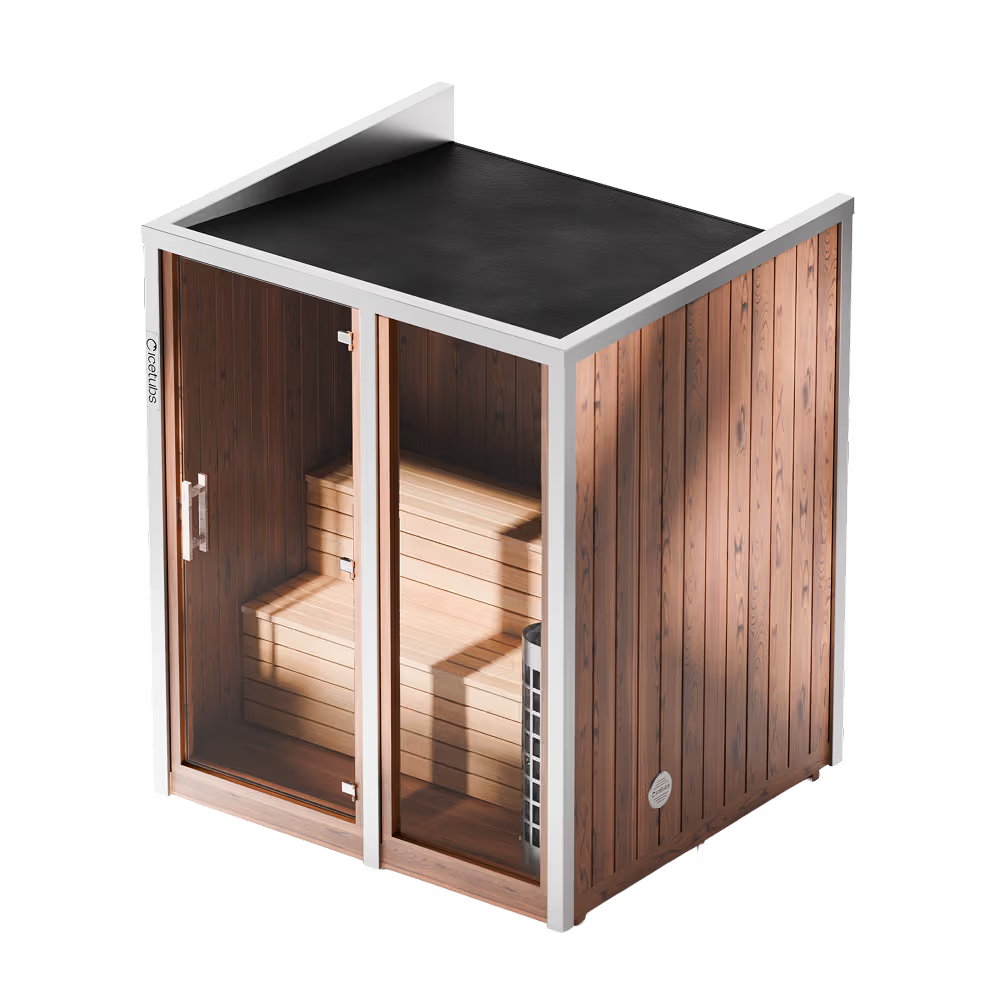
Contrast Therapy: Combining Heat and Cold
Contrast therapy alternates between heat and cold.
Often paired with sauna, it creates a different type of wellness ritual. Heat encourages relaxation, while cold creates a contrasting physical stimulus.
Rather than replacing one another, heat and cold are often combined intentionally depending on your goals.
Choosing the Right Cold Therapy Method
There is no universal winner.
Cold showers are simple.
Ice packs are targeted.
Cryotherapy is convenient.
Cold swimming is experiential.
Cold plunges offer controlled immersion.
The best method is the one you can integrate into your life consistently.
Cold therapy works when it becomes a practice, not just a challenge.