



In this blogpost:
Eisbad oder Kühlpack zur Regeneration: Was passt zu Ihrem Ziel?
Vergleichen Sie Eisbad und Kühlpack zur Regeneration: Ganzkörperanwendung, gezielte Behandlung, Komfort, Timing und die passende Methode für Ihre Ziele.
Kältetherapie wird oft mit Regeneration in Verbindung gebracht.
Doch nicht jede Methode der Kältetherapie funktioniert auf die gleiche Weise.
Sowohl ein Kühlpack als auch ein Eisbad nutzen niedrige Temperaturen, sorgen jedoch für völlig unterschiedliche Erfahrungen.
Ein Kühlpack konzentriert sich auf einen bestimmten Bereich.
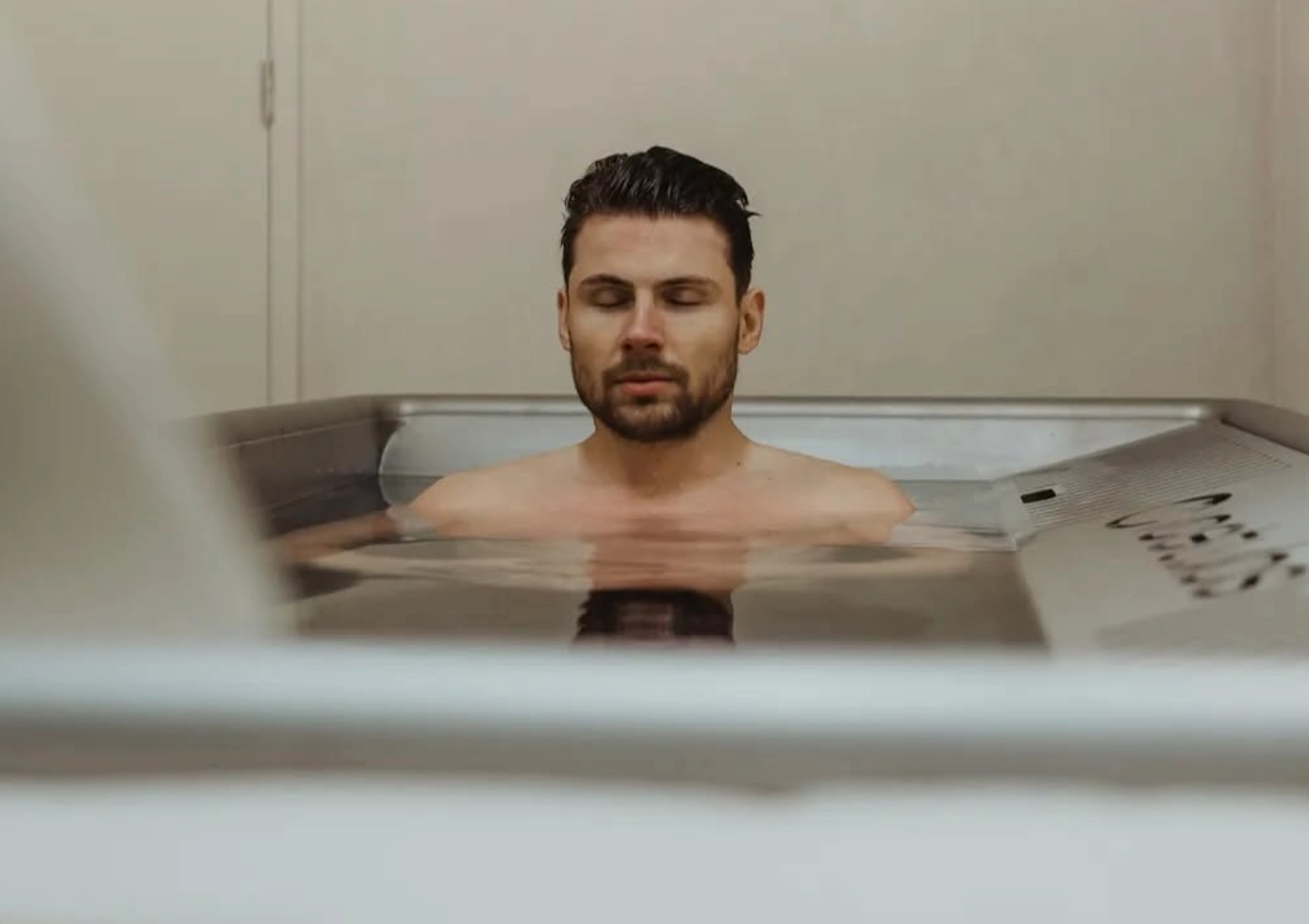
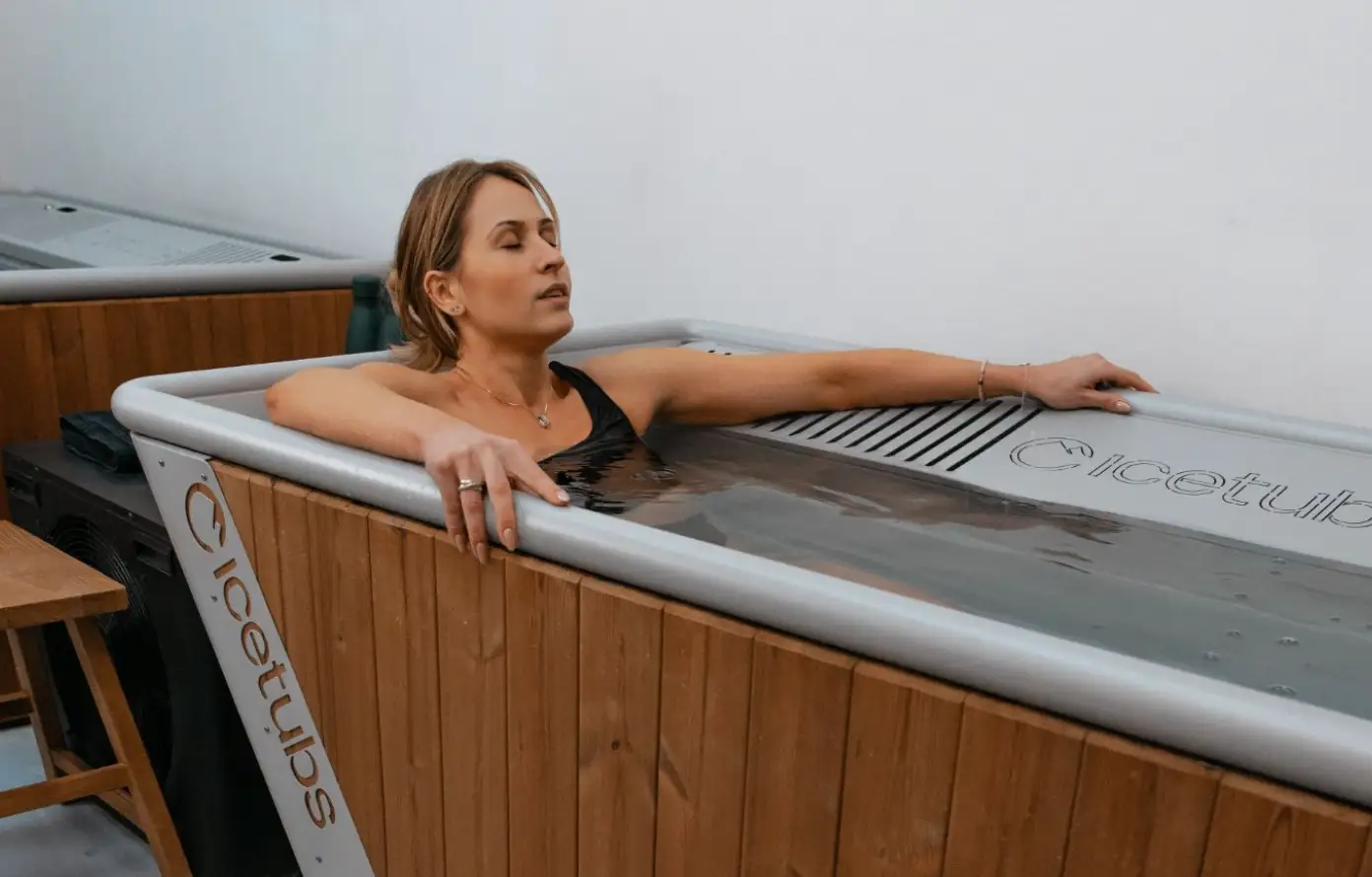
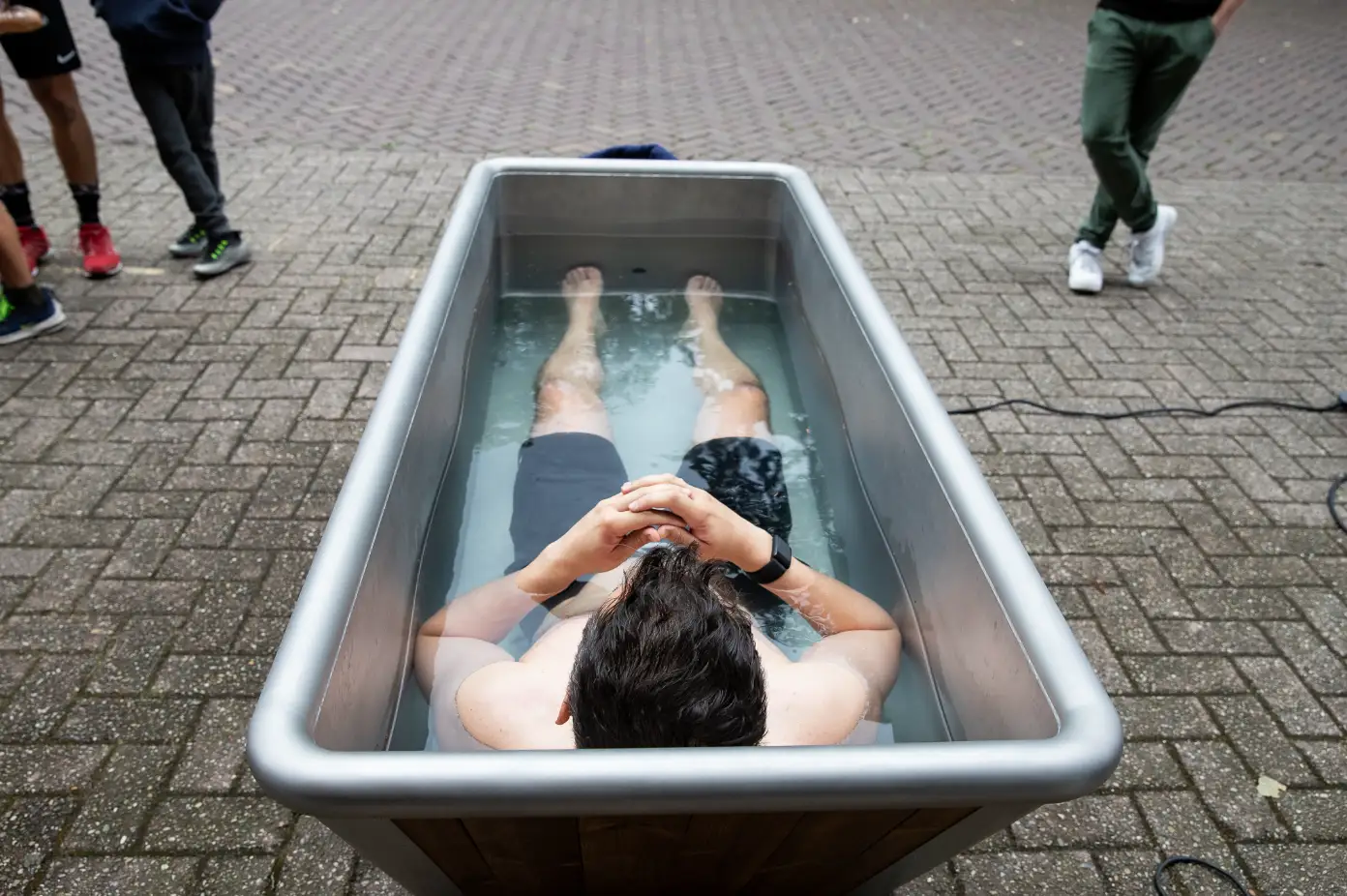
Ein Eisbad umfasst Ihren gesamten Körper.
Welche Option besser ist, hängt davon ab, was Sie erreichen möchten.
Möchten Sie einen gezielten Muskelkater behandeln?
Oder suchen Sie nach einem Regenerationsritual für den ganzen Körper?
Kühlpacks für gezielte Bereiche
Kühlpacks sind für eine punktuelle Kältetherapie konzipiert.
Sie legen diese direkt auf eine bestimmte Stelle auf, wie etwa ein Knie, eine Schulter, ein Sprunggelenk oder eine Muskelgruppe. Das macht sie praktisch, wenn Sie sich auf einen Bereich konzentrieren möchten.
Zudem sind sie einfach in der Anwendung.
Sie können ein Pack im Gefrierfach aufbewahren, es bei Bedarf auflegen und nach kurzer Zeit wieder entfernen.
Bei gezielten Beschwerden kann dieser fokussierte Ansatz praktischer sein als eine Ganzkörperanwendung.
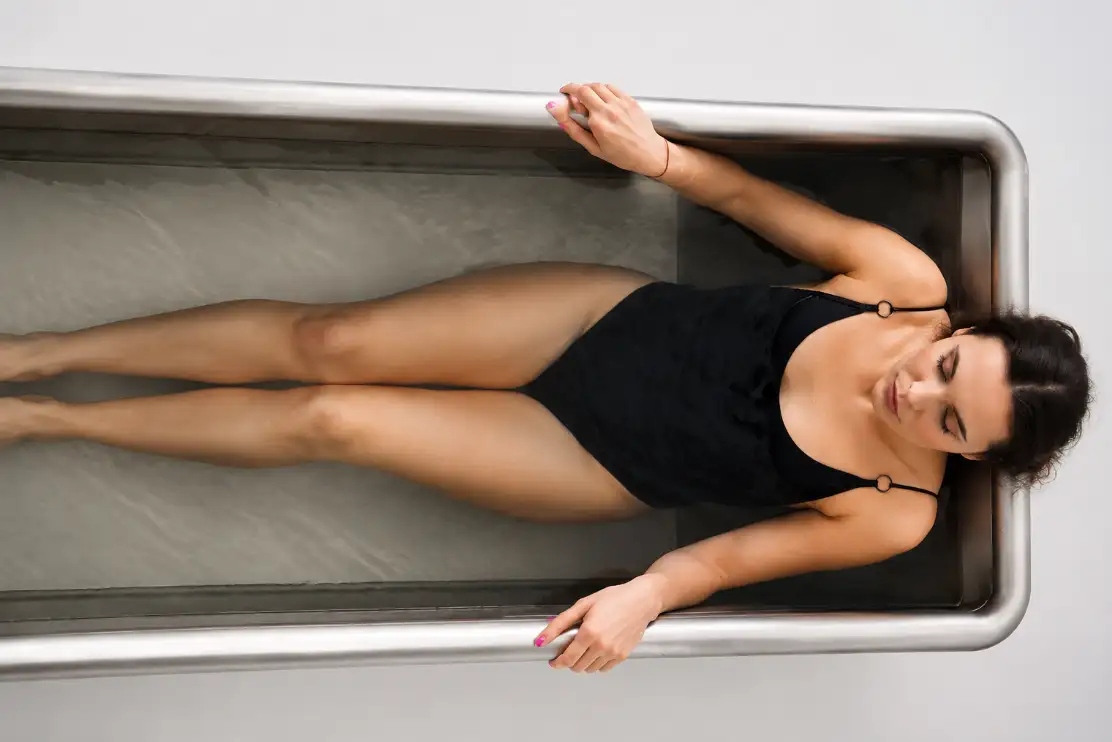
Eisbäder sorgen für ein Ganzkörpererlebnis
Ein Eisbad verfolgt einen anderen Ansatz.
Anstatt nur eine Stelle zu kühlen, tauchen Sie einen Großteil Ihres Körpers in kaltes Wasser. Dies erzeugt ein umfassenderes Erlebnis, das Muskeln, Haut, Atmung und Nervensystem einbezieht.
Für Sportler und Wellness-Begeisterte ist dieser Ganzkörperaspekt oft der Grund, warum sie sich für das Eisbaden entscheiden.
Es wird zu mehr als nur einem Hilfsmittel zur Regeneration.
Es wird zur Routine.
Erholungsziele unterscheiden sich
Die richtige Wahl hängt von Ihrem Ziel ab.
Ein Kühlpack ist oft sinnvoller, wenn:
• Ein bestimmter Bereich behandelt werden muss
• Sie eine gezielte Anwendung wünschen
• Sie ein einfaches Hilfsmittel zur Erholung benötigen
• Sie ein spezifisches Trainingsproblem angehen
Ein Eisbad ist oft sinnvoller, wenn:
• Sie eine Ganzkörperanwendung wünschen
• Sie ein strukturiertes Erholungsritual schätzen
• Sie eine regelmäßige Kälteanwendung zur Gewohnheit machen möchten
• Sie mehr Kontrolle über Temperatur und Dauer wünschen
Keine der beiden Methoden ersetzt die Grundlagen der Regeneration.
Schlaf, Ernährung, Flüssigkeitszufuhr und eine angemessene Trainingsbelastung bleiben entscheidend.
Bequemlichkeit vs. Routine
Eispacks sind einfacher in der Anwendung.
Sie erfordern kaum Vorbereitung. Sie sind kostengünstig, tragbar und praktisch für den gelegentlichen Gebrauch.
Kältebäder erfordern mehr Engagement.
Man benötigt Platz, Ausrüstung und eine Routine für die Instandhaltung.
Dieser zusätzliche Aufwand kann die Praxis jedoch auch bewusster machen.
Für Menschen, die regelmäßig Kältetherapie anwenden, kann eine feste Einrichtung die Beständigkeit erleichtern.
Die Temperaturregelung verändert das Erlebnis
Bei Kühlpacks hängen Temperatur und Dauer von der Art des Packs, der Platzierung und den Umgebungsbedingungen ab.
Bei einem Eisbad haben Sie mehr Kontrolle über die Umgebung.
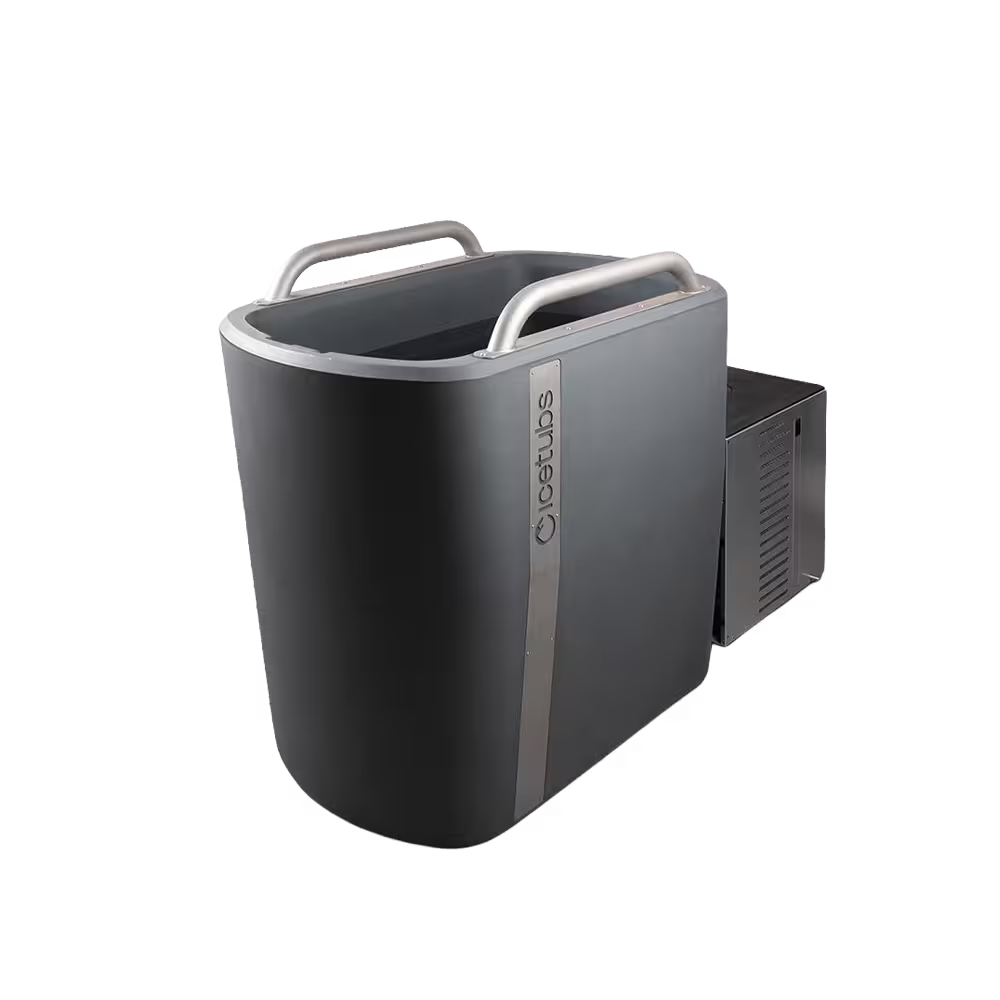
Mit Icetubs können Sie die Wassertemperatur über das Gerät, die App und das Display steuern und so eine wiederholbare Routine für die Ganzkörper-Kältetherapie etablieren.
Dieses Maß an Kontrolle ist besonders wertvoll, wenn die Kältetherapie zu einer festen Gewohnheit und nicht nur zur gelegentlichen Regeneration wird.
Was ist die richtige Wahl für Sie?
Sie müssen sich nicht zwingend für eine der beiden Optionen entscheiden.
Manche nutzen Kühlpacks für gezielte Anwendungen und Eisbäder für die umfassende Regeneration.
Die richtige Methode hängt von Ihren individuellen Bedürfnissen ab.
Wenn Sie punktuelle Unterstützung benötigen, reicht ein Kühlpack oft aus. Wenn Sie jedoch eine umfassende Kälteerfahrung suchen, bietet ein Eisbad einen anderen Ansatz.
Kältetherapie ist am effektivsten, wenn sie genau auf Ihre Ziele abgestimmt ist.
Für weitere Vergleiche zwischen verschiedenen Methoden der Kälteanwendung lesen Sie weiter unter Kältetherapie im Vergleich: Welche Methode ist die richtige für Sie?