



In this blogpost:
Eisbad vs. Floating-Tank: Zwei unterschiedliche Wellness-Erlebnisse
Vergleichen Sie Eisbad und Floating-Tank hinsichtlich Entspannung, Regeneration, sensorischer Umgebung, Kosten, Routine und der Frage, was am besten zu Ihren Wellness-Zielen passt.
Sowohl Eisbäder als auch Floating-Tanks sind aus der modernen Wellness-Welt nicht mehr wegzudenken.
Beide bieten eine Auszeit vom Alltagsstress.
Beide laden dazu ein, einmal richtig abzuschalten.
Doch die Erfahrung könnte unterschiedlicher nicht sein.
Das eine setzt auf kaltes Wasser und körperliche Herausforderung.
Das andere nutzt warmes Salzwasser und tiefe Entspannung.
Die Wahl zwischen beiden hängt davon ab, was Sie von Ihrer Wellness-Routine erwarten.
Beim Eisbad geht es um kontrollierte Überwindung
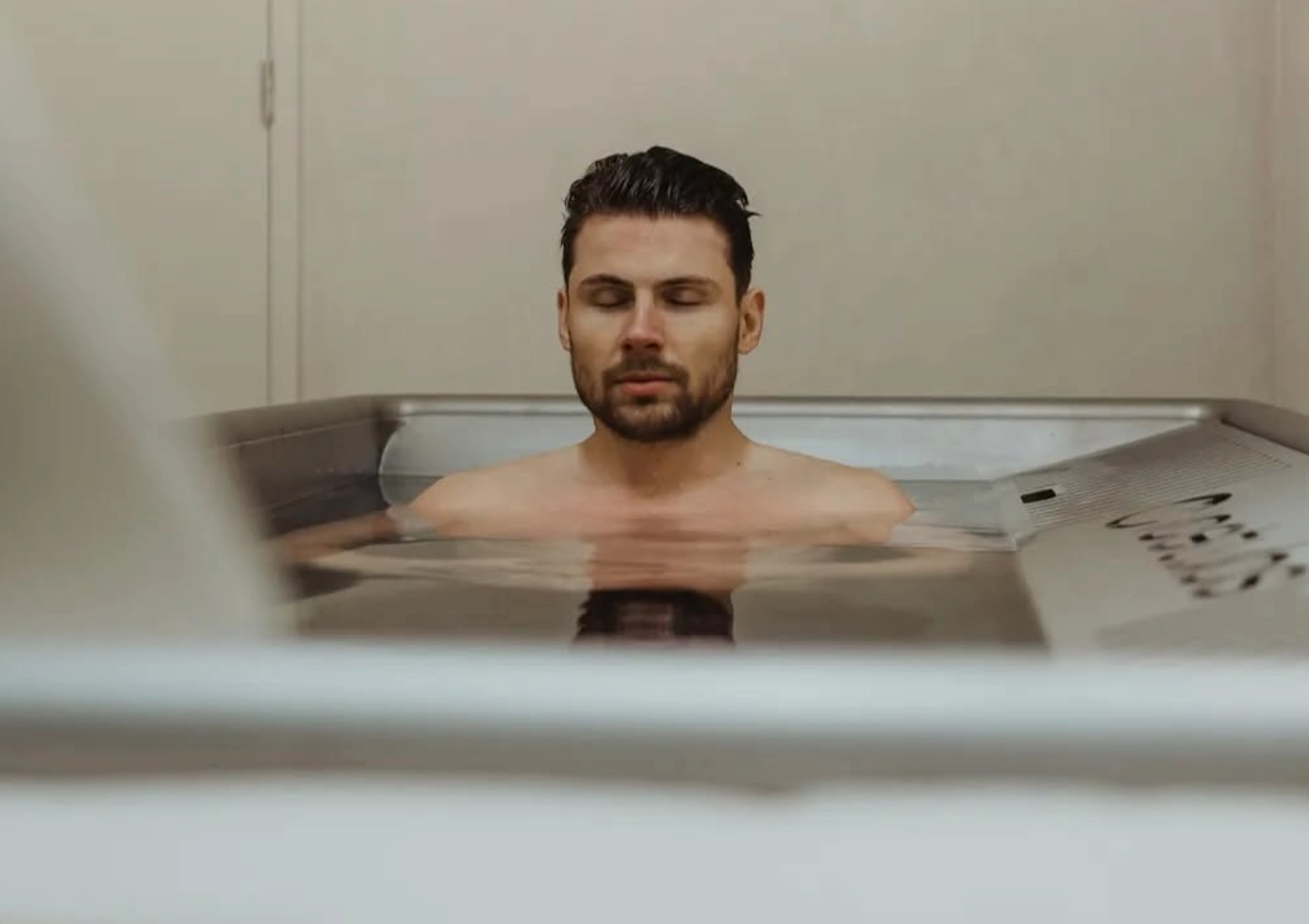
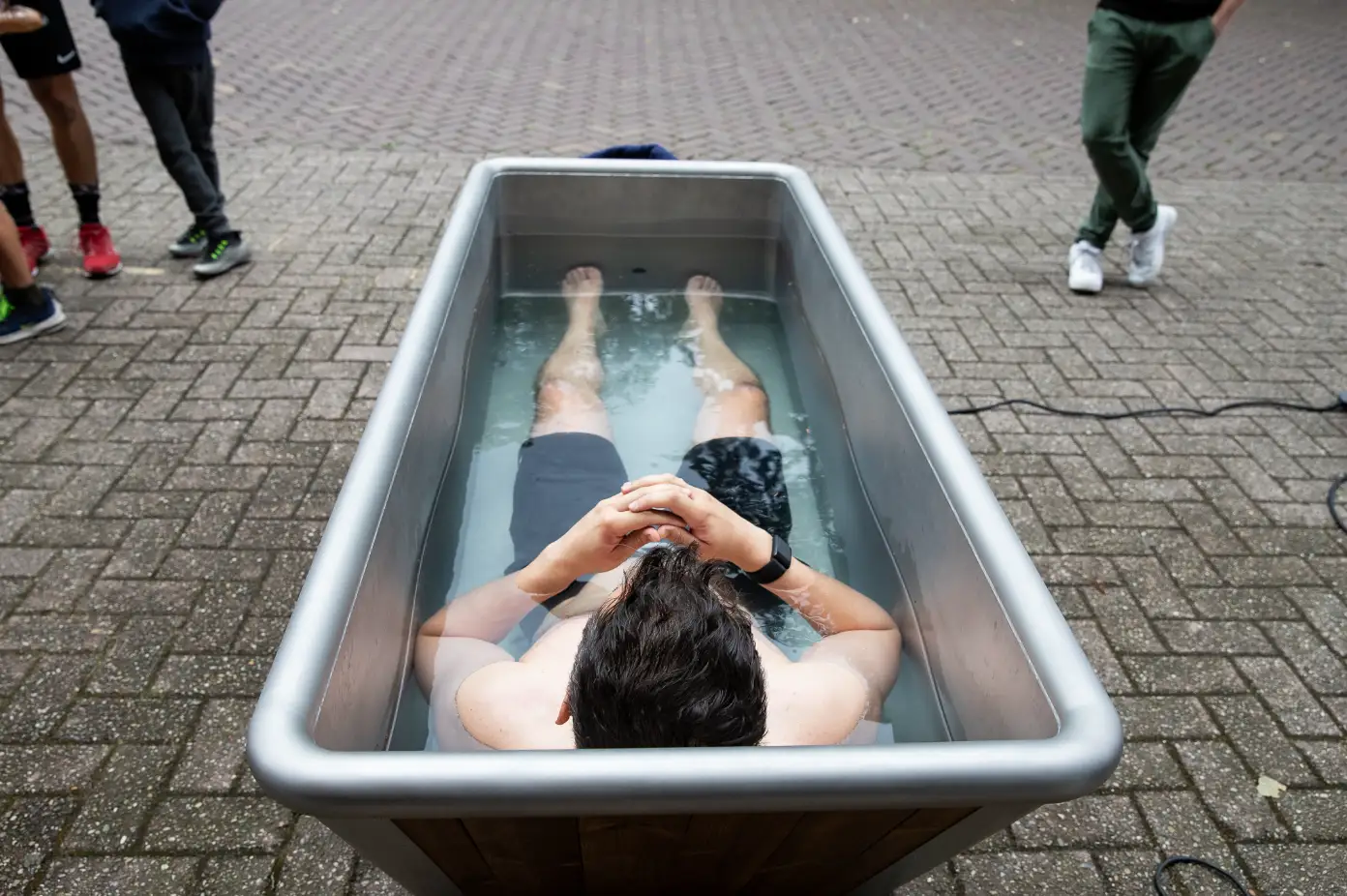
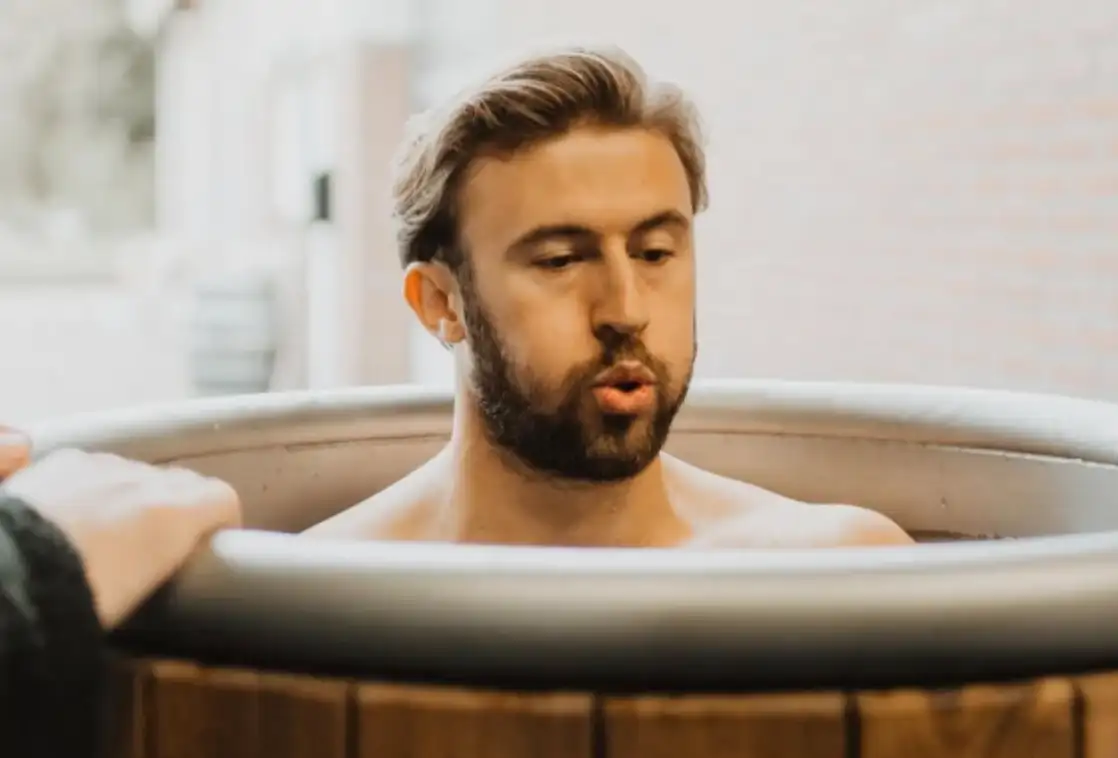
Ein Eisbad löst eine unmittelbare körperliche Reaktion aus.
Sobald Sie in kaltes Wasser eintauchen, verändert sich Ihre Atmung. Ihr Körper reagiert. Ihr Fokus schärft sich.
Genau diese Herausforderung macht den Reiz aus.
Viele Menschen nutzen das Eisbaden, um ihre Resilienz zu stärken, ihre Regeneration zu fördern oder einen bewussten Moment der Konzentration in ihren Alltag zu integrieren.
Diese Praxis erfordert, dass Sie ganz im Hier und Jetzt bleiben.
Float-Tanks sind für Entspannung konzipiert
Float-Tanks verfolgen den entgegengesetzten Ansatz.
Sie verwenden in der Regel warmes Salzwasser, das Ihren Körper mühelos an der Oberfläche trägt. Die Umgebung ist darauf ausgelegt, äußere Reize zu minimieren.
Das Ziel ist Entspannung.
Viele Menschen nutzen Float-Tanks, um abzuschalten, sich auszuruhen, zu meditieren oder tiefe Ruhe zu finden.
Anstatt den Körper durch Kälte zu aktivieren, fördert das Floaten die Stille.
Unterschiedliche Ziele bei der Regeneration
Beide können das Wohlbefinden fördern, jedoch auf unterschiedliche Weise.
Eisbäder werden oft nach körperlicher Aktivität gewählt, da sie sich nahtlos in Trainings- und Regenerationsroutinen einfügen.
Floating-Tanks sind eher nach geistig anstrengenden Phasen zu empfehlen, wenn Sie Ruhe und Entspannung suchen.
Das eine ist aktive Regeneration.
Das andere ist passive Regeneration.
Die Routine macht den Unterschied
Ein Eisbad erfordert Vorbereitung.
Sie benötigen Zugang zum Becken, müssen die Temperatur regeln und das Wasser pflegen. Doch sobald die Routine etabliert ist, kann sie zu einem einfachen täglichen Ritual werden.
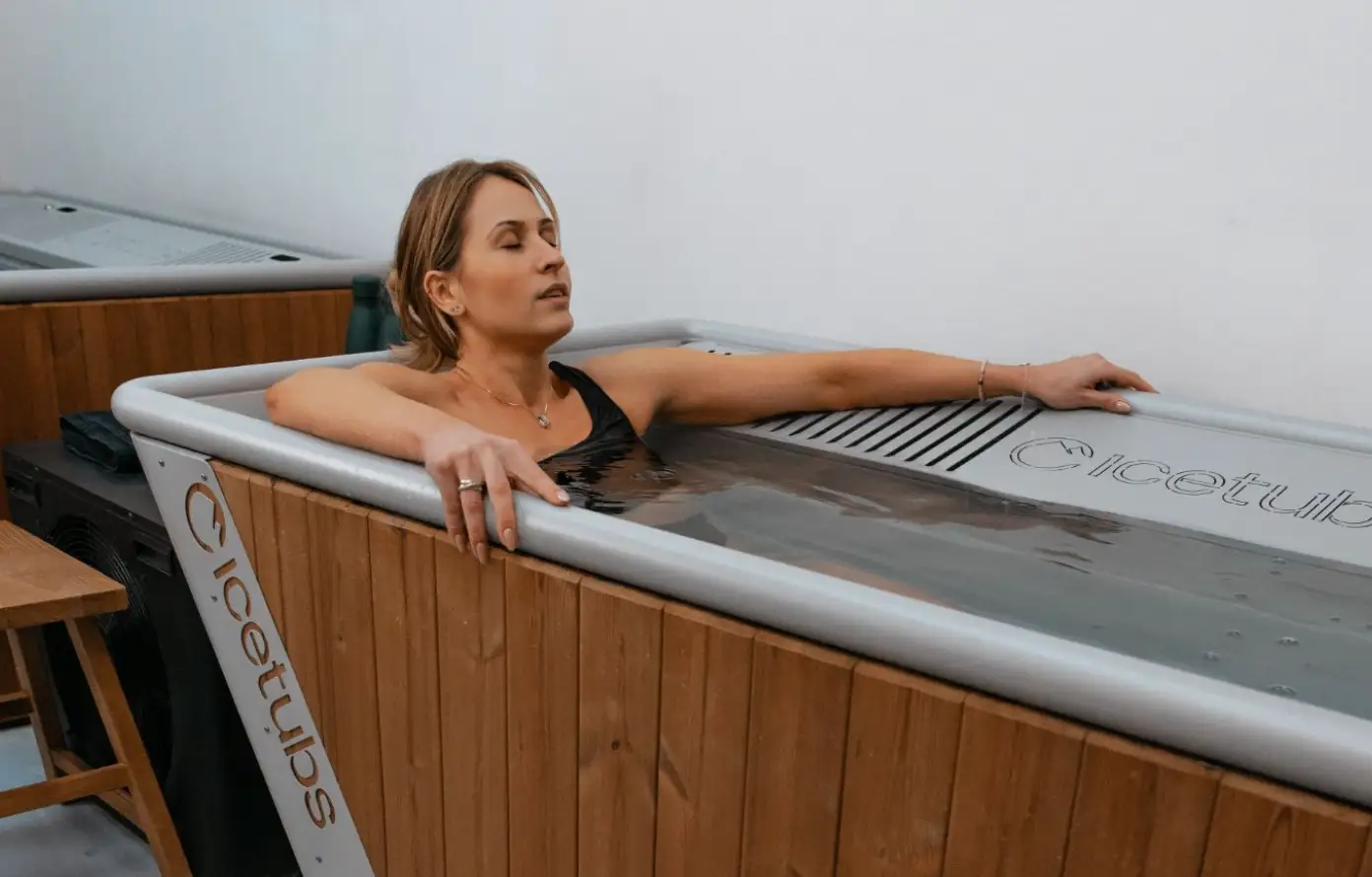
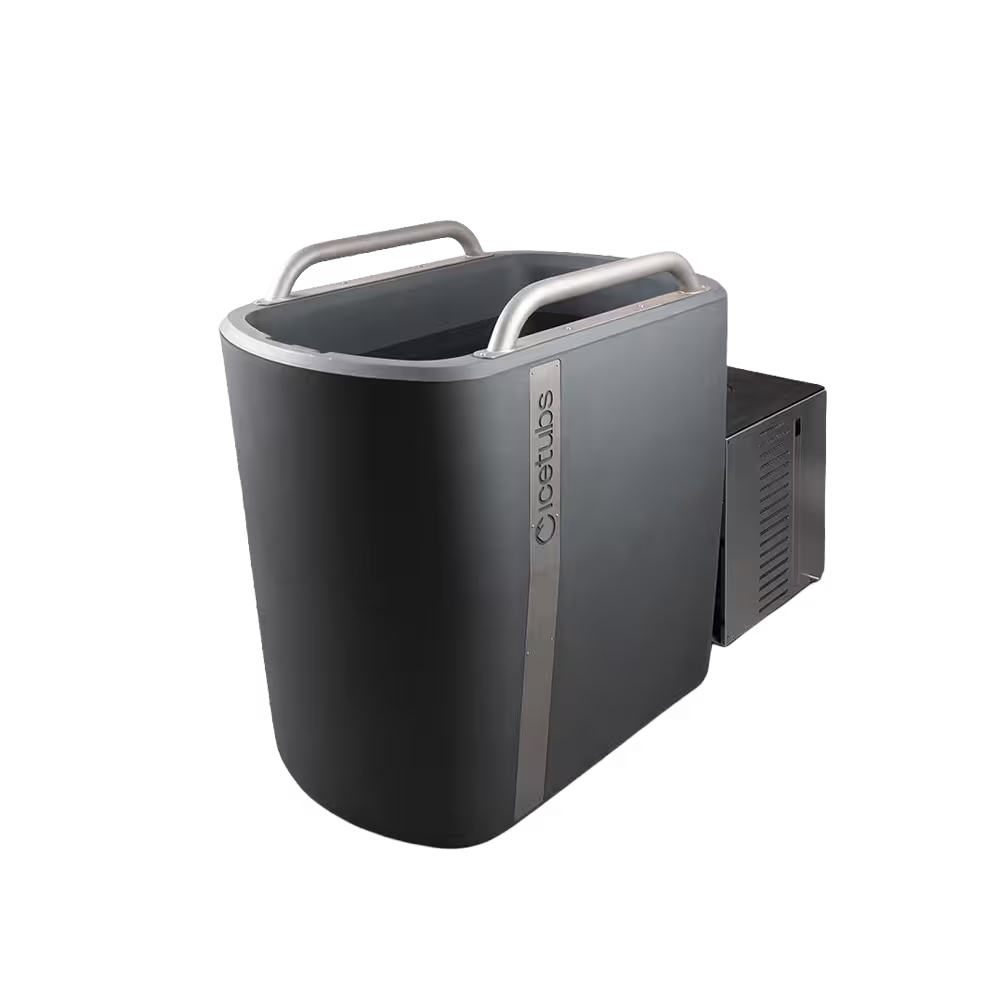
Icetubs macht es durch kontrollierte Temperatur, Filterung, Zirkulation und Wasserpflege einfacher, Kälteanwendungen in den Alltag zu integrieren.
Für einen Float-Tank muss man in der Regel eine spezielle Einrichtung aufsuchen.
Das ist zwar einerseits praktisch, schränkt aber andererseits die Flexibilität ein.
Was passt zu Ihrem Lebensstil?
Ein Eisbad könnte das Richtige für Sie sein, wenn Sie Folgendes suchen:
• Ein tägliches Wellness-Ritual
• Eine körperliche Herausforderung
• Erholung nach dem Sport
• Temperaturkontrolle
• Eine Routine für zu Hause
Ein Float-Tank könnte das Richtige für Sie sein, wenn Sie Folgendes suchen:
• Tiefenentspannung
• Ruhige Erholung
• Reduzierte Reize
• Ein geführtes Wellness-Erlebnis
Keine der beiden Optionen ist automatisch besser.
Sie erfüllen lediglich unterschiedliche Zwecke.
Kann man beides kombinieren?
Manche Menschen kombinieren gerne verschiedene Wellness-Praktiken.
Kälteanwendungen lassen sich gut mit Aktivitäten wie Sauna, Meditation oder Atemübungen verbinden. Float-Therapie kann Teil einer umfassenderen Entspannungsroutine sein.
Entscheidend ist, dass Sie verstehen, was Körper und Geist in diesem Moment brauchen.
Manchmal brauchen Sie Aktivierung.
Manchmal brauchen Sie Ruhe.
Wählen Sie das Erlebnis, zu dem Sie immer wieder zurückkehren
Die beste Wellness-Routine ist die, die Sie auch wirklich beibehalten.
Ein Eisbad schafft eine neue Beziehung zum Unbehagen.
Ein Floating-Tank schafft Raum für Stille.
Beides kann wertvoll sein, wenn es zu Ihren Zielen passt.
Um mehr darüber zu erfahren, wie sich Kältetherapie im Vergleich zu anderen Erholungsmethoden schlägt, lesen Sie Kältetherapie-Optionen im Vergleich: Welche ist die richtige für Sie?