



In this blogpost:
Eisbad vs. Kryotherapie: Was ist besser für Sie geeignet?
Vergleichen Sie Eisbad und Kryotherapie hinsichtlich Temperatur, Expositionsdauer, Erholung, Kosten, Komfort und finden Sie heraus, welche Kältetherapie zu Ihrem Lebensstil passt.
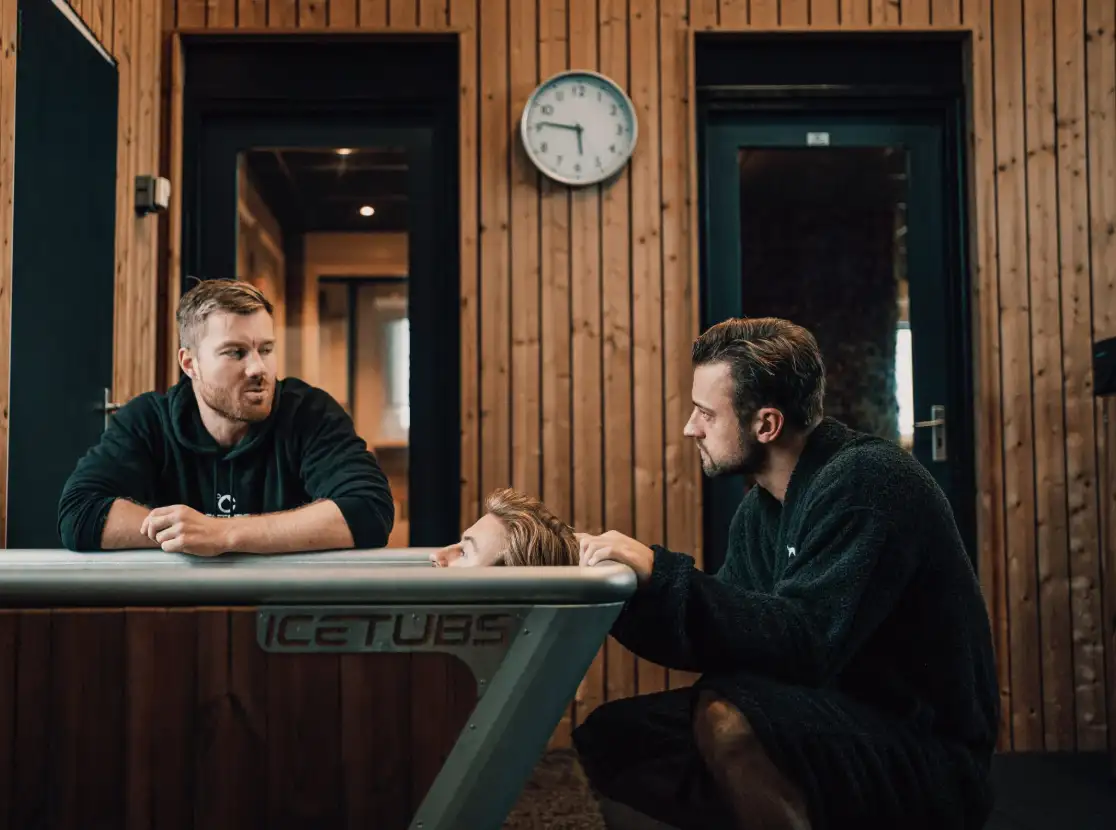
Eisbäder und Kryotherapie sind zwei der bekanntesten Formen der Kälteanwendung.
Beide basieren auf demselben Prinzip: den Körper extremer Kälte auszusetzen.
Doch die Erfahrung ist eine ganz andere.
Die eine Methode nutzt kaltes Wasser, die andere extrem kalte Luft.
Die eine kann zu einem täglichen Ritual zu Hause werden, die andere ist meist eine terminierte Wellness-Anwendung.
Wenn Sie diese Unterschiede verstehen, können Sie die Methode wählen, die am besten zu Ihrem Lebensstil passt.
Wasser vs. Luft: Der Hauptunterschied
Der größte Unterschied liegt darin, wie die Kälte auf Ihren Körper einwirkt.
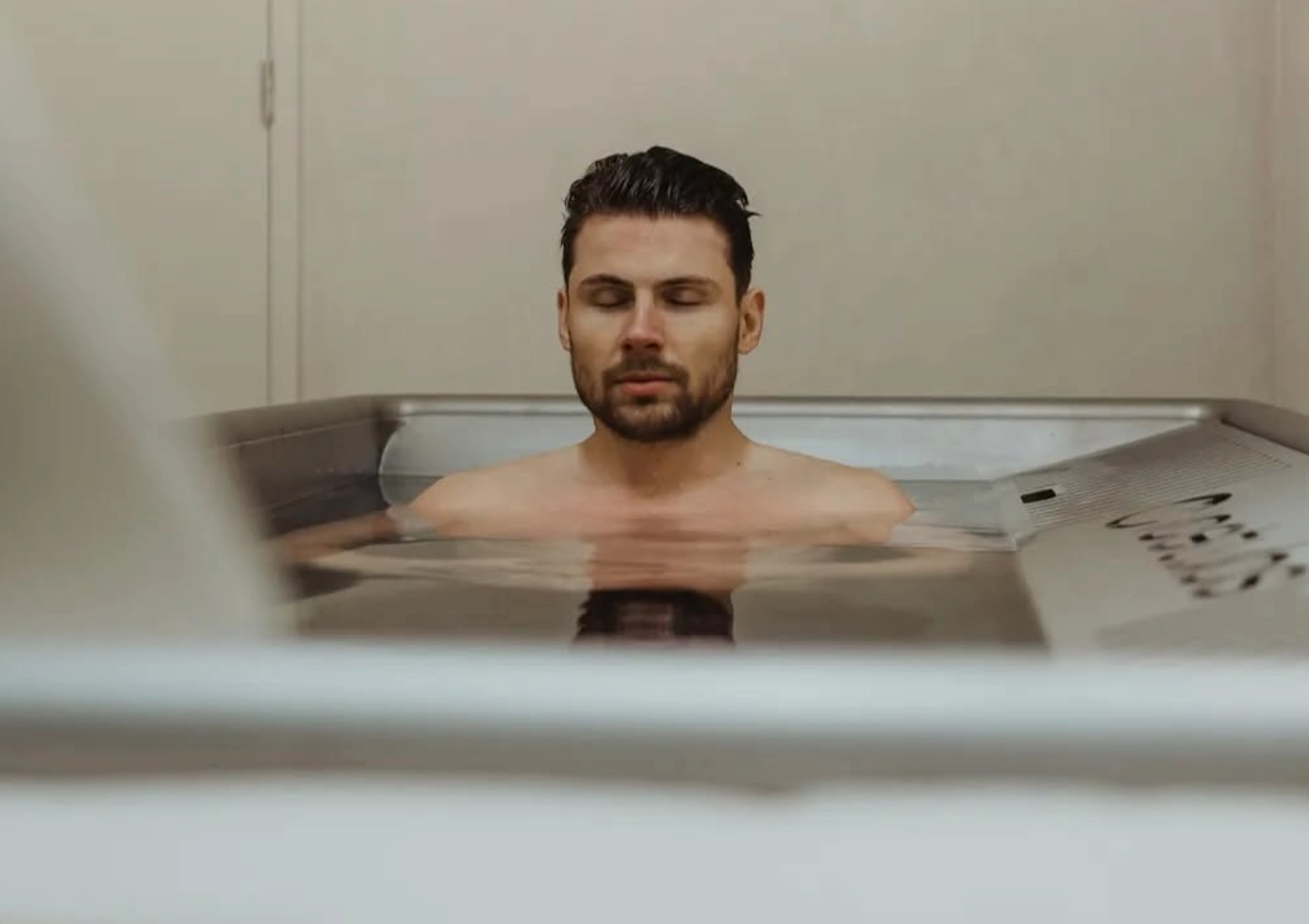
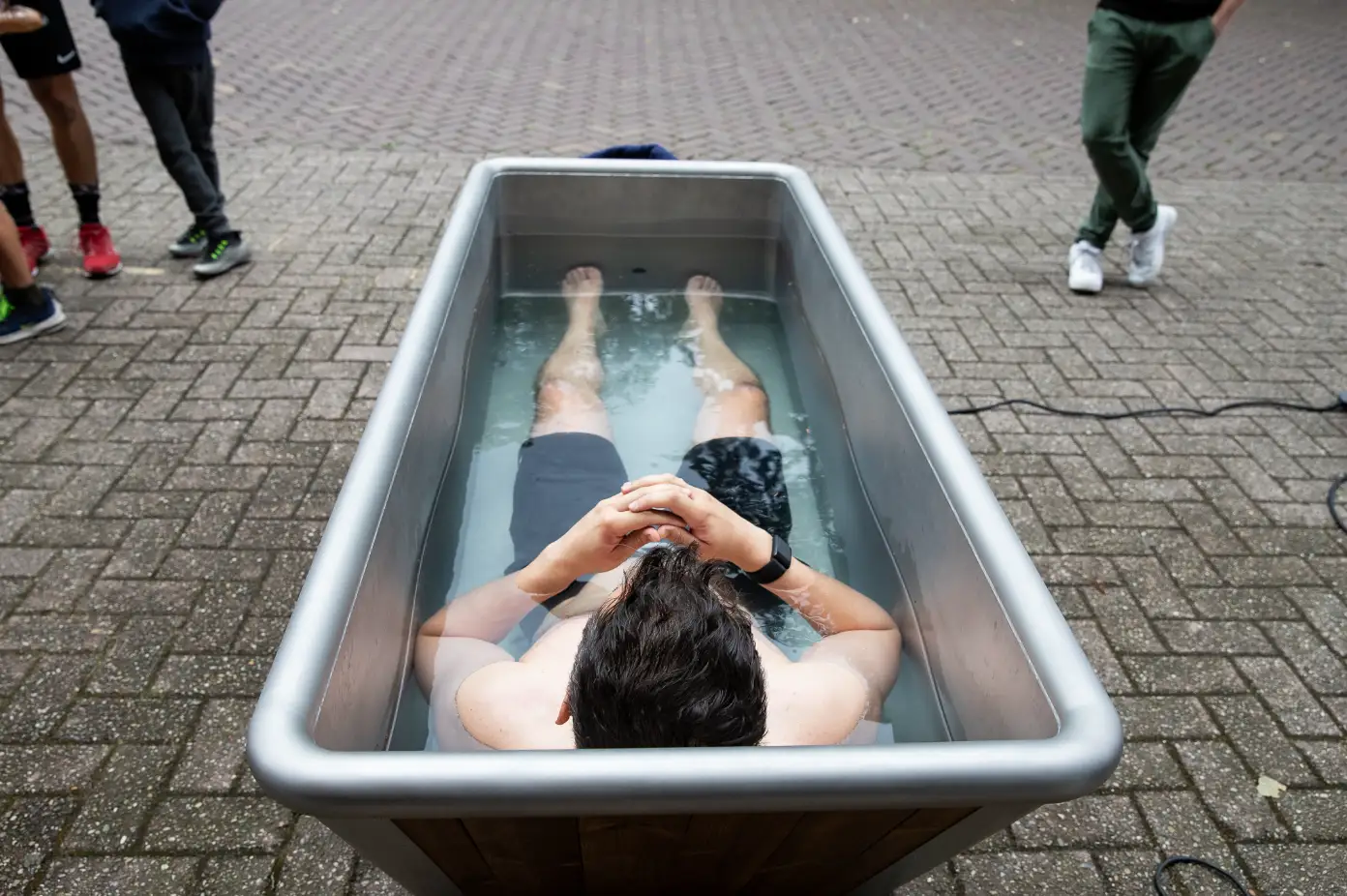
Bei einem Eisbad ist Ihr Körper von kaltem Wasser umgeben. Da Wasser Wärme effizient leitet, kann sich selbst ein kurzes Eintauchen sehr intensiv anfühlen.
Bei der Kryotherapie wird Ihr Körper für kurze Zeit von sehr kalter Luft umgeben.
Beide Methoden lösen eine Kältereaktion aus, doch das Empfinden, die Dauer und der Ablauf unterscheiden sich.
Ein Eisbad wirkt immersiv. Die Kryotherapie fühlt sich eher wie eine kurze Anwendung an.
Mehr Kontrolle mit dem Eisbad
Einer der größten Vorteile des Eisbadens ist die Kontrolle.
Sie entscheiden über:
• Wassertemperatur
• Dauer der Anwendung
• Häufigkeit
• Zeitpunkt
Das macht es einfacher, schrittweise eine Routine aufzubauen.
Sie können mit einer angenehmen Temperatur beginnen, beobachten, wie Ihr Körper reagiert, und die Einstellungen mit der Zeit anpassen.
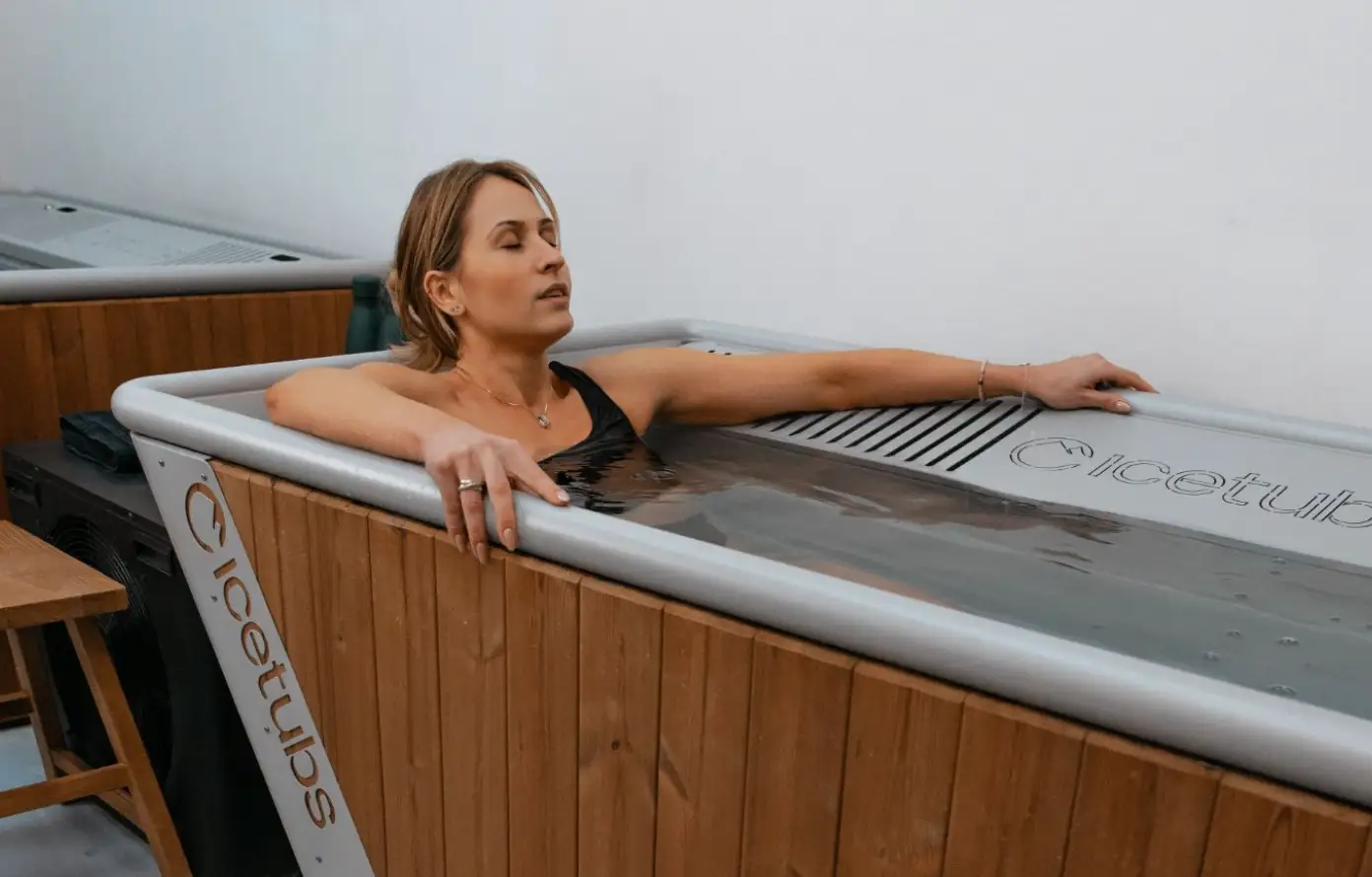
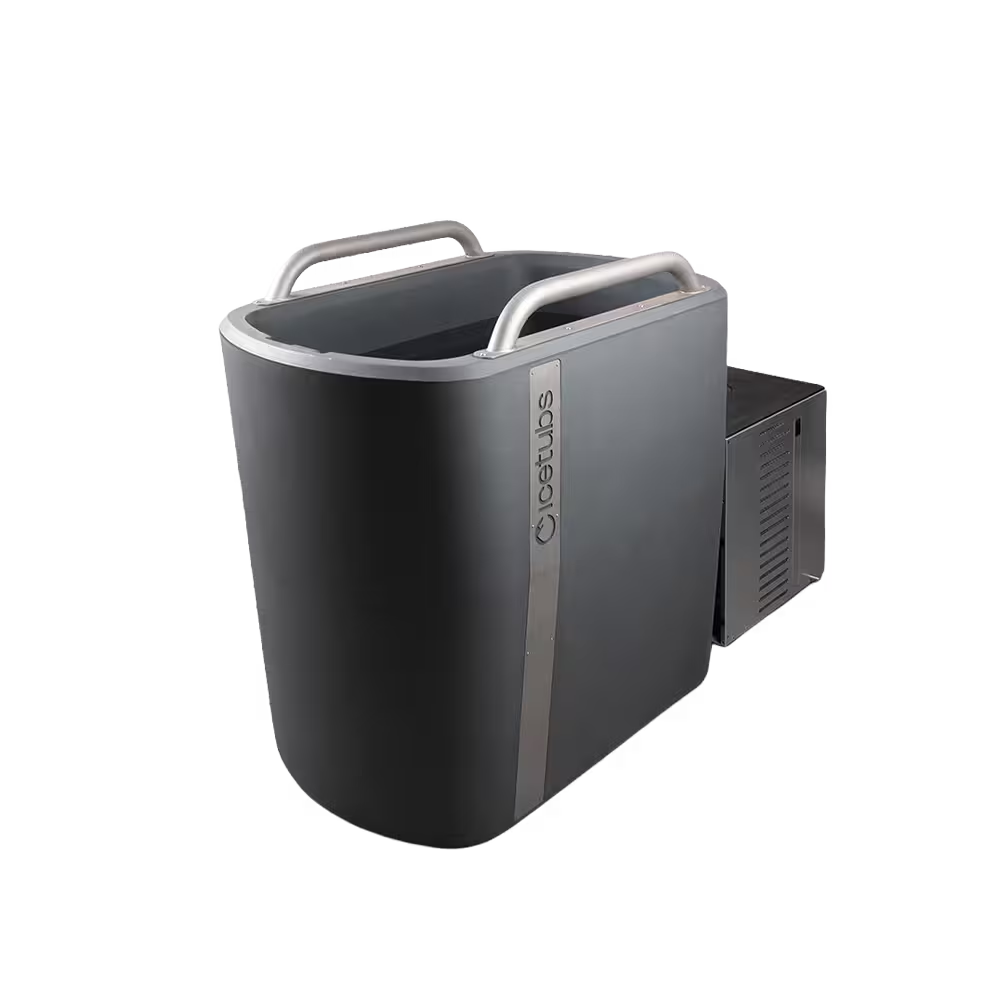
Icetubs gibt Ihnen die volle Kontrolle über die Temperatur – ob über das Gerät selbst, die App oder das Display. So etablieren Sie eine feste Routine für Kälteanwendungen, ganz ohne auf externe Einrichtungen angewiesen zu sein.
Kältetherapie setzt auf Komfort
Bei der Kältetherapie müssen Sie keine eigene Ausrüstung besitzen.
Sie buchen einen Termin, gehen in die Kammer, absolvieren die Anwendung und gehen wieder.
Das ist ideal, wenn Sie eine geführte Erfahrung bevorzugen oder kein eigenes Kältebecken zu Hause haben möchten.
Der Nachteil ist die eingeschränkte Verfügbarkeit.
Ihre Routine hängt von den Standorten der Studios, deren Öffnungszeiten und der Verfügbarkeit von Terminen ab.
Kosten im Zeitverlauf
Bei regelmäßiger Nutzung wird der finanzielle Unterschied deutlich.
Bei der Kryotherapie zahlt man in der Regel pro Sitzung. Gelegentliche Besuche sind vielleicht erschwinglich, doch regelmäßige Anwendungen können schnell ins Geld gehen.
Ein Eisbad erfordert zwar eine höhere Anfangsinvestition, aber nach der Installation können Sie es beliebig oft nutzen, ohne jedes Mal erneut zu bezahlen.
Die wirtschaftlichere Wahl hängt davon ab, wie häufig Kältetherapie Teil Ihrer Routine werden soll.
Erholung und Leistung
Beide Methoden werden häufig im Zusammenhang mit sportlichem Training eingesetzt.
Das Eisbad ist beliebt, da es eine längere, kontrollierte Anwendung nach dem Training ermöglicht. Viele Sportler schätzen die Möglichkeit, ein festes Erholungsritual zu etablieren.
Die Kryotherapie ist ideal für alle, die eine kurze Anwendung bevorzugen, ohne sich um die Wartung von Geräten kümmern zu müssen.
Keine der beiden Methoden ersetzt die Grundlagen: Schlaf, Ernährung, Flüssigkeitszufuhr und ein durchdachtes Training.
Kältetherapie unterstützt die Regeneration. Sie ersetzt jedoch nicht die Erholung selbst.
Was passt zu Ihrem Lebensstil?
Ein Eisbad könnte das Richtige für Sie sein, wenn Sie Folgendes suchen:
• Eine Routine für zu Hause
• Temperaturkontrolle
• Ganzkörperimmersion
• Eine individuell anpassbare Anwendung
Kryotherapie könnte das Richtige für Sie sein, wenn Sie Folgendes bevorzugen:
• Kurze Sitzungen
• Keine eigene Ausrüstung
• Wellness in einer Einrichtung
• Komfort
Wählen Sie die Methode, die Sie auch wirklich nutzen werden
Eisbäder und Kryotherapie sind keine konkurrierenden Versionen derselben Sache.
Es sind unterschiedliche Werkzeuge.
Die bessere Option ist diejenige, die Sie auch realistisch beibehalten können.
Eine Kältetherapie-Routine ist nur dann sinnvoll, wenn sie konsequent durchgeführt wird.
Für einen umfassenden Vergleich verschiedener Kältetherapie-Methoden und wie diese zu Ihren Zielen passen, lesen Sie Kältetherapie-Optionen im Vergleich: Welche ist die richtige für Sie?