



In this blogpost:
Kälteexposition erklärt: Was in Ihrem Körper passiert
Erfahren Sie, wie sich Kälteexposition auf Stoffwechsel, Durchblutung, Hormone, Nervensystem, Entzündungen und Anpassungsprozesse auswirkt – ein wissenschaftlicher Blick auf die Details.
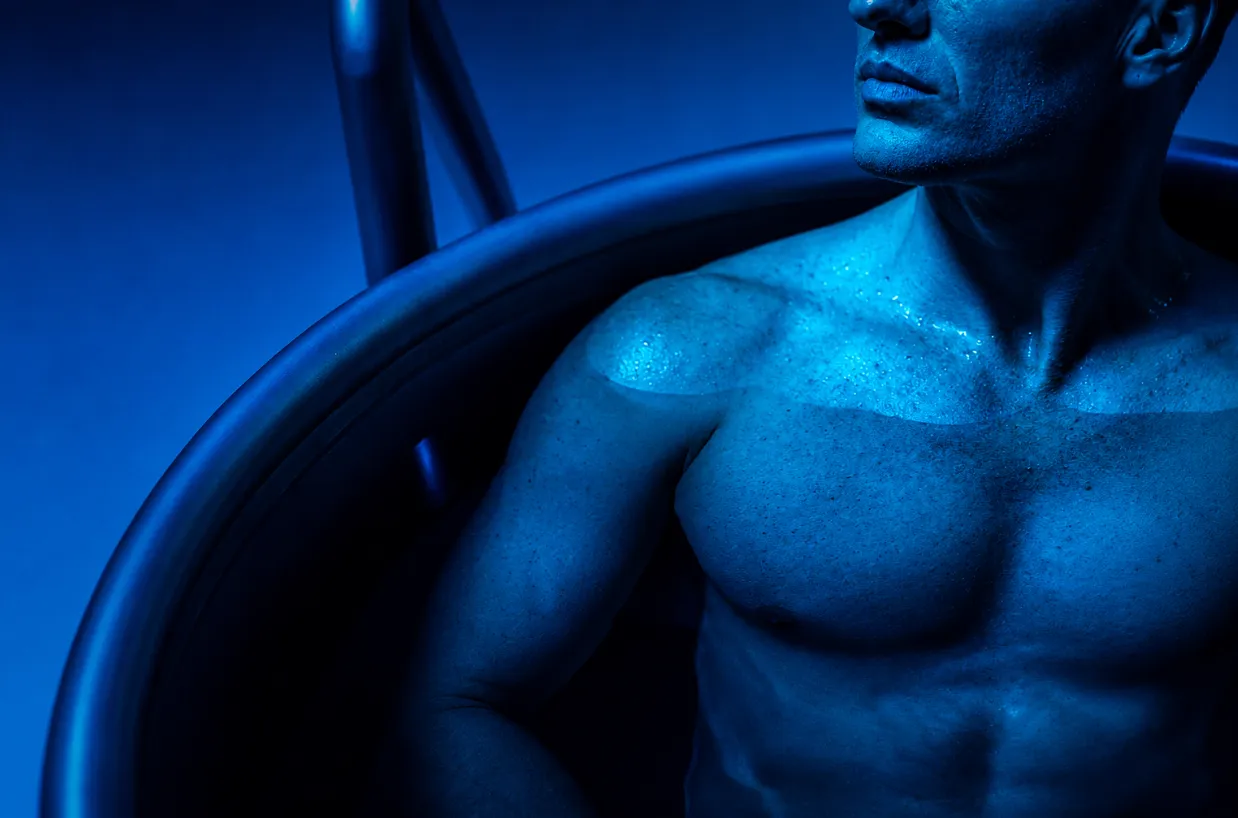
Sobald Sie in kaltes Wasser eintauchen, reagiert Ihr Körper unmittelbar auf den Temperaturwechsel.
Ihre Atmung verändert sich. Die Blutgefäße ziehen sich zusammen. Ihr Herzschlag kann sich beschleunigen und Ihr Nervensystem wird wacher.
Dies sind keine zufälligen Reaktionen. Sie sind Teil der Bemühungen Ihres Körpers, seine Kerntemperatur zu schützen.
Das macht Kälteexposition zu mehr als nur einem Wellness-Ritual. Es ist ein messbarer physiologischer Reiz, der mehrere Systeme gleichzeitig anspricht.
Ihre erste Reaktion erfolgt schnell
Die ersten Augenblicke im kalten Wasser sind oft am intensivsten.
Kälterezeptoren in der Haut senden Signale an das Nervensystem und aktivieren die sympathische Reaktion. Dies kann zu schneller Atmung, erhöhtem Herzschlag und der Ausschüttung von Stresshormonen wie Noradrenalin führen.
Eine Studie, die im Journal of Physiology veröffentlicht wurde, ergab, dass längeres Eintauchen in kaltes Wasser zu einem deutlichen Anstieg des zirkulierenden Noradrenalins sowie zu Veränderungen anderer Stoffwechsel- und Hormonreaktionen führte.
Das erklärt, warum ein Eisbad sofort wach macht und die Konzentration schlagartig steigert.
Ihr Körper beginnt, Wärme zu produzieren
Sobald Ihr Körper Kälte registriert, muss er verhindern, dass die Kerntemperatur zu stark absinkt.
Zittern ist ein offensichtlicher Mechanismus. Schnelle Muskelkontraktionen erzeugen Wärme.
Doch Ihr Körper nutzt auch die zitterfreie Thermogenese, bei der braunes Fettgewebe eine wichtige Rolle spielt.
Braunes Fett enthält Mitochondrien, die gespeicherte Energie in Wärme umwandeln können. Untersuchungen an Erwachsenen haben gezeigt, dass Kältereize braunes Fett aktivieren und den Energieverbrauch steigern können.
Das macht Eisbaden jedoch nicht zu einer Abkürzung für die Gewichtsabnahme.
Es zeigt lediglich, wie aktiv Ihr Stoffwechsel reagiert, wenn Ihr Körper seine Temperatur verteidigen muss.
Kälte verändert Ihre Durchblutung
Kälte bewirkt, dass sich die Blutgefäße nahe der Haut zusammenziehen.
Dies trägt dazu bei, den Wärmeverlust über die Körperoberfläche zu verringern und die Durchblutung in Richtung Körperkern umzuleiten.
Sobald Sie die Kälte verlassen und sich aufwärmen, weiten sich diese Gefäße allmählich wieder.
Diese wechselnde Gefäßreaktion ist ein Grund dafür, warum die Durchblutung im Zusammenhang mit dem Eintauchen in kaltes Wasser häufig thematisiert wird.
Dies ist auch der Grund, warum sich das Erlebnis nach dem Verlassen des Wassers ganz anders anfühlen kann als in den ersten Momenten des Eintauchens.
Ihr Nervensystem ist Teil des Erlebnisses
Kälteexposition erzeugt ein starkes sensorisches Signal.
Ihr Gehirn muss den plötzlichen Temperaturwechsel verarbeiten, während Ihr autonomes Nervensystem daran arbeitet, Atmung, Durchblutung und Temperatur zu regulieren.
Noradrenalin ist einer der wichtigen chemischen Botenstoffe, die an dieser Reaktion beteiligt sind, was zu der Wachheit beitragen kann, die viele Menschen nach der Kälteexposition verspüren.
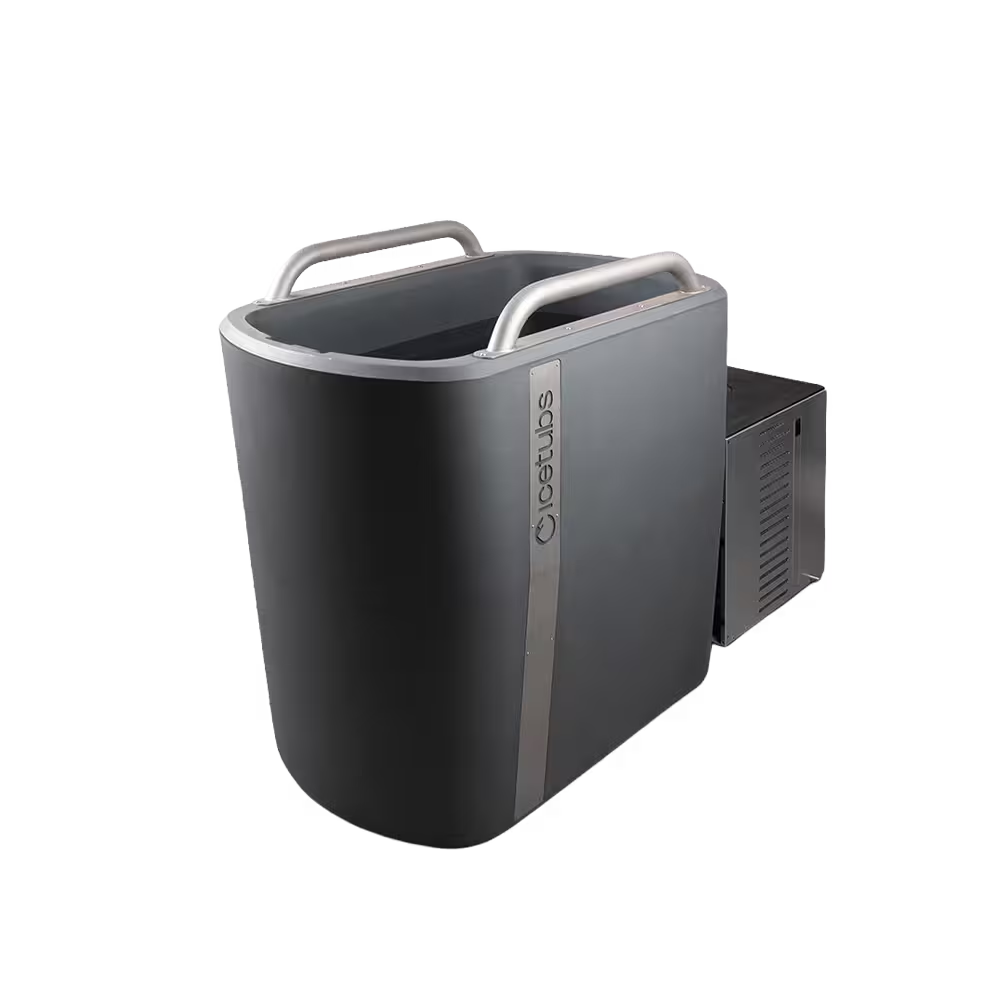
Icetubs integriert kontrollierte Kälteexposition in eine wiederholbare Routine, sodass Sie die Wassertemperatur selbst steuern können, anstatt von wechselnden Eisbedingungen abhängig zu sein.
Ihr Körper kann sich anpassen
Wiederholte Kältereize können verändern, wie Sie auf denselben Kältereiz reagieren.
Der anfängliche Kälteschock wird mit der Zeit leichter zu bewältigen. Ihre Atmung wird kontrollierter und Ihr Körper gewöhnt sich besser daran, die Körpertemperatur unter kalten Bedingungen aufrechtzuerhalten.
Die Forschung zur Kälteakklimatisation hat gezeigt, dass wiederholte Kälteexposition zu Veränderungen bei der Thermogenese und der Kältetoleranz führt.
Das bedeutet jedoch nicht, dass Sie immun gegen Kälte werden.
Durch die Anpassung wird die Reaktion besser beherrschbar; die physiologische Herausforderung bleibt jedoch bestehen.
Mehr Kälte ist nicht automatisch besser
Hier ist es hilfreich, die wissenschaftlichen Hintergründe zu verstehen.
Kälteexposition ist eine Form von kontrolliertem körperlichem Stress. Der potenzielle Nutzen liegt darin, dem Körper einen bewältigbaren Reiz zu geben und ihm anschließend die nötige Erholung zu ermöglichen.
Temperatur, Dauer, Häufigkeit und die individuelle Toleranz beeinflussen die Gesamtexposition.
Du musst nicht die niedrigstmögliche Temperatur anstreben, um eine sinnvolle Kälteerfahrung zu machen.
Eine nachhaltige Routine ist oft nützlicher als eine extreme, die du nicht durchhalten kannst.
Das große Ganze
Kälteexposition beeinflusst mehrere Systeme gleichzeitig.
Dein Nervensystem reagiert innerhalb von Sekunden. Dein Kreislauf verändert sich. Dein Körper steigert die Wärmeproduktion. Hormonelle und metabolische Prozesse werden aktiviert, und wiederholte Anwendung kann zu Anpassungen führen.
Die Wissenschaft deutet nicht darauf hin, dass Kälte ein Allheilmittel ist.
Sie zeigt etwas Interessanteres: dein Körper reagiert bemerkenswert auf kontrollierte Veränderungen in seiner Umgebung.
Wenn du diese Reaktion verstehst, kannst du Kälteexposition bewusster angehen, anstatt dich nur zu fragen, wie viel Kälte du vertragen kannst.
Erforsche die Wissenschaft hinter der Kältetherapie weiter mit unseren Leitfäden zu braunem Fettgewebe, Dopamin, Noradrenalin, Cortisol, Hormesis, dem Vagusnerv, Entzündungen, Anpassung und Langlebigkeit.