






In this blogpost:
Does Cold Plunge Boost Testosterone? Separating Myth From Fact
Does cold plunging increase testosterone? Explore what research says about cold exposure, hormones, testosterone claims, and what you can realistically expect.
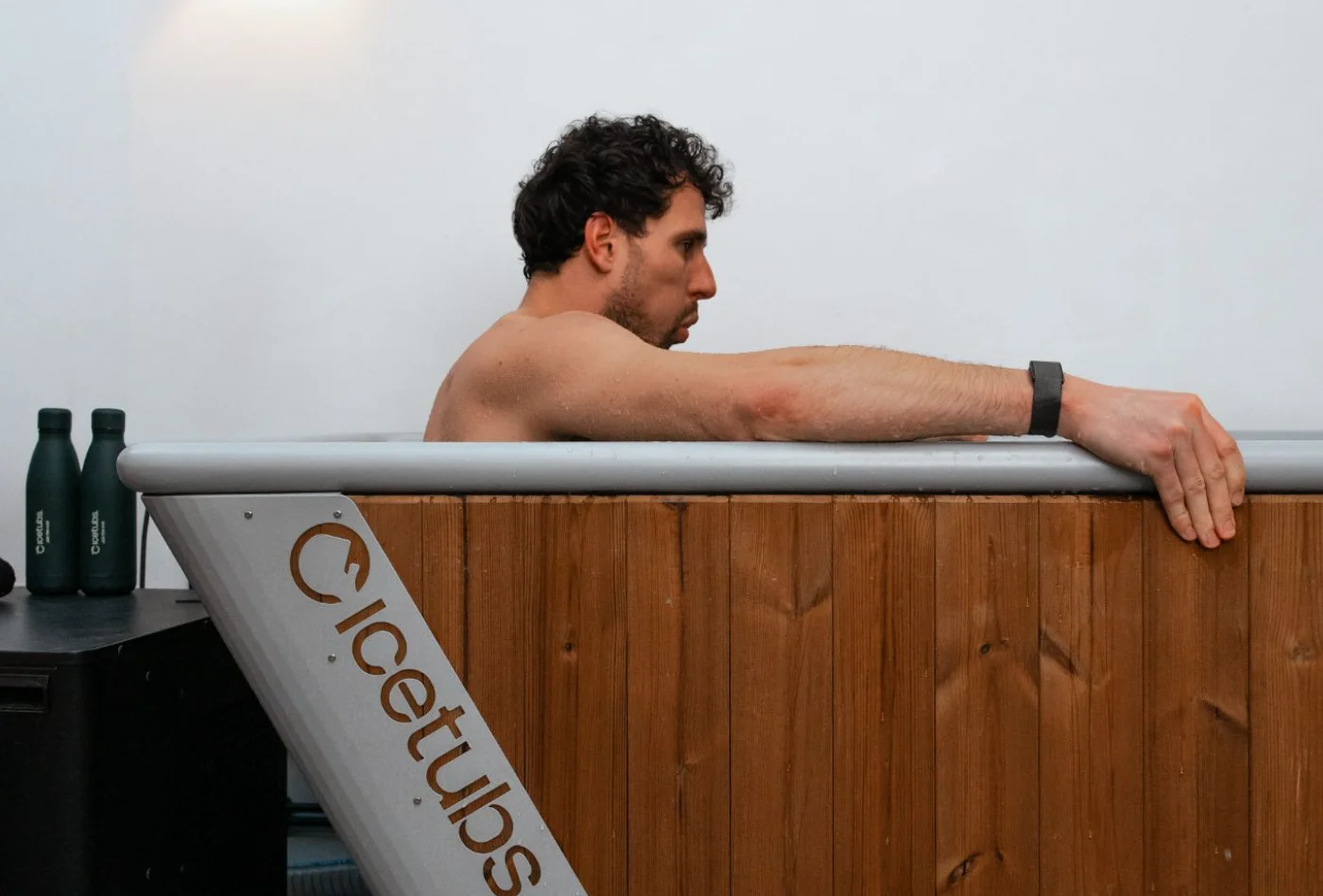
Cold plunging is often promoted as a natural testosterone booster.
It sounds plausible.
Cold exposure creates a powerful physical response, and hormones are involved in that response.
But the jump from “cold affects the body” to “cold raises testosterone” is much bigger than it sounds.
The Claim Behind the Hype
Cold exposure affects the nervous system, circulation, metabolism, and several hormonal pathways.
That has made it an attractive subject for discussions about testosterone.
But a physiological response does not automatically mean a meaningful increase in testosterone.
To establish that, researchers need to measure testosterone directly and compare results against an appropriate control.
That evidence is much less convincing than social media claims suggest.
What the Evidence Actually Shows
The evidence does not currently support cold plunging as a reliable testosterone-boosting strategy.
The 2026 systematic review “Effects of post-exercise hot and cold-water immersion on performance recovery and physiological markers in athletes” found no significant changes in testosterone or the testosterone-to-cortisol ratio following cold-water immersion.
That is important because it directly challenges the idea that cold exposure reliably raises testosterone.
It also shows why individual hormone claims deserve scrutiny.
Cold Still Does Something
None of this means cold exposure has no physiological effect.
Far from it.
Cold water activates the sympathetic nervous system and produces a range of acute responses.
Your breathing changes.
Your heart rate can change.
Blood vessels constrict.
Your body works to maintain its core temperature.
These effects are real.
They simply should not be confused with a proven long-term testosterone increase.
Why You May Feel More Energised
This is where some of the confusion can begin.
You may feel extremely alert after a cold plunge.
That does not necessarily mean your testosterone has increased.
Cold exposure can stimulate pathways involved in alertness and arousal, creating a noticeable shift in how you feel.
The experience can be powerful without being testosterone-driven.
Build the Right Foundation
If healthy testosterone levels are your priority, focus on the fundamentals.
Sleep.
Resistance training.
Adequate nutrition.
Healthy body composition.
Stress management.
Recovery.
Cold exposure can still be part of your routine if you enjoy it, but it should not replace habits with stronger evidence behind them.
Timing Still Matters
Cold exposure can have a different role depending on when you use it.
If you are training for strength or muscle growth, the timing of cold exposure deserves more attention than chasing a supposed testosterone effect.
Recovery and adaptation are not always the same goal, a distinction covered in more depth in Cold Plunges and Muscle Growth: What You Need to Know.
That distinction can make a bigger difference to your training than any unproven hormone claim.
Where Icetubs Fits
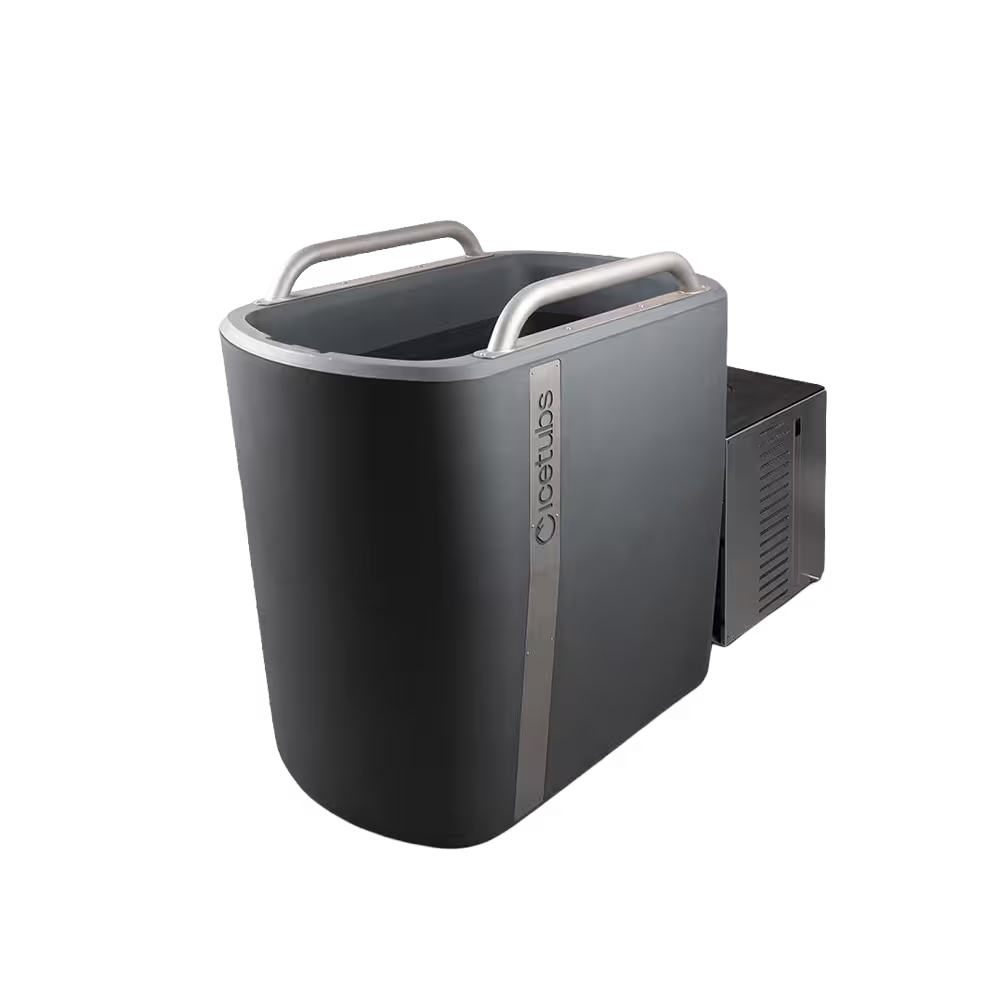
The Icetubs Engine gives you controlled temperature management alongside integrated filtration and ozone-supported water care, so you can use cold exposure consistently without relying on manually added ice.
That makes it easier to build a repeatable routine.
But the purpose should remain realistic.
Use the plunge because it fits your recovery or wellness routine, not because you expect a guaranteed hormonal boost.
The Bottom Line
Cold plunging produces real physiological effects.
A reliable testosterone increase is not one of the benefits currently supported by strong evidence.
So if you see cold exposure described as a simple testosterone hack, be sceptical.
The more useful question is what cold exposure can realistically contribute to your overall routine.
For a broader look at the evidence behind popular cold-plunge claims, continue with Cold Plunge Myths and Facts: What the Science Really Says