





In this blogpost:
Terapia de Imersão em Água Fria: Benefícios, Ciência e Riscos
Saiba como a terapia de imersão em água fria auxilia na recuperação, no estado de alerta e na resiliência, além de conhecer os principais riscos e formas seguras de começar a praticar.

A terapia de imersão em água fria deixou de ser exclusiva das salas de recuperação de atletas de elite para integrar as rotinas de bem-estar do dia a dia. Hoje, as pessoas utilizam banhos de gelo, banheiras de imersão fria e terapia de contraste para auxiliar na recuperação muscular, melhorar o estado de alerta, desenvolver resiliência e sentir-se melhor após o treino ou dias estressantes.
Mas a imersão em água fria não é mágica. Os seus benefícios dependem da forma como a utiliza, da temperatura da água, do tempo de permanência e do seu estado de saúde geral. Embora a ciência por trás da terapia com água fria seja promissora em algumas áreas, especialmente na recuperação e na resposta do sistema nervoso, a investigação ainda está em desenvolvimento noutras.
O que é a Terapia de Imersão em Água Fria?
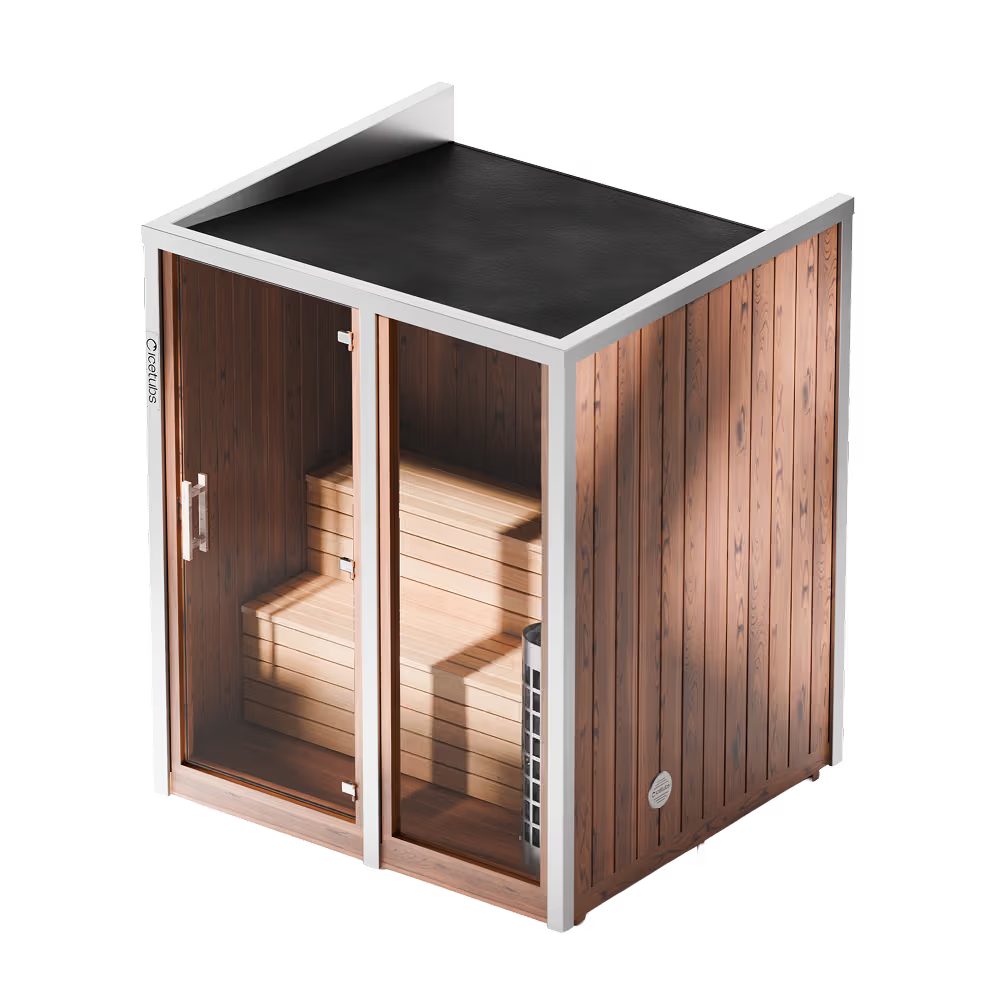
A terapia de imersão em água fria, frequentemente designada por CWI, é a prática de colocar o corpo em água fria durante um curto período de tempo. Isto pode ser feito num banho de gelo, numa banheira de imersão fria, num banho de recuperação, em água fria natural ou como parte de uma rotina de sauna e imersão fria.
Quando entra em água fria, o seu corpo reage rapidamente. Os vasos sanguíneos contraem-se, a respiração altera-se, o ritmo cardíaco pode aumentar e o sistema nervoso torna-se mais alerta. Esta reação é conhecida como resposta ao choque térmico. Ativa o sistema de resposta ao stress do corpo e pode criar uma sensação imediata de despertar e estimulação.
A exposição ao frio também pode desencadear a libertação de hormonas como a adrenalina e a noradrenalina, que estão associadas ao estado de alerta, à concentração e à regulação da energia.
As pessoas utilizam habitualmente a imersão em água fria para:
- Recuperação muscular após o exercício
- Estado de alerta mental e um efeito de despertar mais forte
- Resiliência ao stress através da exposição controlada ao frio
- Arrefecimento após atividade física intensa
- Construir uma rotina de bem-estar e recuperação
Benefícios e evidências da imersão em água fria
Um dos benefícios mais discutidos da terapia de imersão em água fria é a recuperação muscular. Após exercícios intensos, a água fria pode ajudar a reduzir a dor e auxiliar na recuperação ao diminuir temporariamente a inflamação e retardar as respostas de estresse dos tecidos. É por isso que banhos de gelo e rotinas de imersão em água fria são amplamente utilizados por atletas, corredores, ciclistas e frequentadores de academia.
Os benefícios potenciais podem incluir:
- Redução da dor muscular após treinos intensos
- Uma sensação maior de recuperação após o exercício
- Melhora no estado de alerta e na energia
- Melhor controle da respiração sob estresse
- Estimulação do sistema nervoso e renovação mental
- Uma rotina de recuperação mais consistente quando combinada com sono, hidratação e nutrição
Algumas pessoas também relatam sentir-se mais calmas após a exposição ao frio. Embora o choque térmico inicial seja intenso, o corpo frequentemente experimenta um efeito de relaxamento logo depois, à medida que a respiração e a frequência cardíaca se estabilizam.
No entanto, algumas alegações ainda precisam de mais pesquisas. A terapia com água fria é frequentemente associada ao humor, imunidade, metabolismo, sono e saúde mental, mas os resultados podem variar de pessoa para pessoa. De modo geral, a terapia de imersão em água fria é melhor compreendida como uma prática de bem-estar e recuperação complementar, e não como uma solução garantida para todos os objetivos de saúde.
Riscos e considerações de segurança
A terapia de imersão em água fria não é adequada para todos. A mesma resposta de choque térmico que torna a imersão uma experiência poderosa também pode gerar riscos.
Ao entrar em água muito fria, você pode sentir falta de ar súbita, respiração acelerada, aumento da frequência cardíaca, pressão arterial elevada, tontura, dormência, perda de coordenação ou redução da temperatura corporal.
Os maiores riscos geralmente estão ligados a permanecer no frio por muito tempo ou entrar em água fria demais rapidamente. Em situações extremas, a exposição prolongada ao frio pode levar à hipotermia ou sobrecarregar o sistema cardiovascular.
Se você tem problemas cardíacos, pressão alta, problemas de circulação, condições respiratórias, está grávida ou tem sensibilidade ao frio, é importante consultar um profissional de saúde antes de experimentar a terapia de imersão em água fria. Iniciantes também devem evitar fazer imersões sozinhos nas primeiras sessões.
Como começar a imersão em água fria com segurança
O objetivo da imersão em água fria não é provar quanto tempo você consegue ficar na água. Uma sessão segura e controlada é melhor do que levar o seu corpo ao limite.
Uma abordagem ideal para iniciantes inclui:
- Comece com água fresca
Evite temperaturas extremamente geladas no início. - Mantenha as sessões curtas
Comece com uma exposição breve e aumente gradualmente. - Controle a sua respiração
Respirar devagar ajuda o seu corpo a lidar com a resposta ao choque térmico. - Ouça o seu corpo
Saia da água se sentir dor no peito, tontura forte, confusão ou se a sua respiração ficar descontrolada. - Seja consistente, não radical
Sessões regulares e moderadas são melhores do que mergulhos intensos e esporádicos.
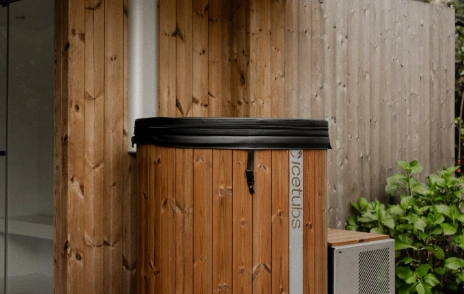
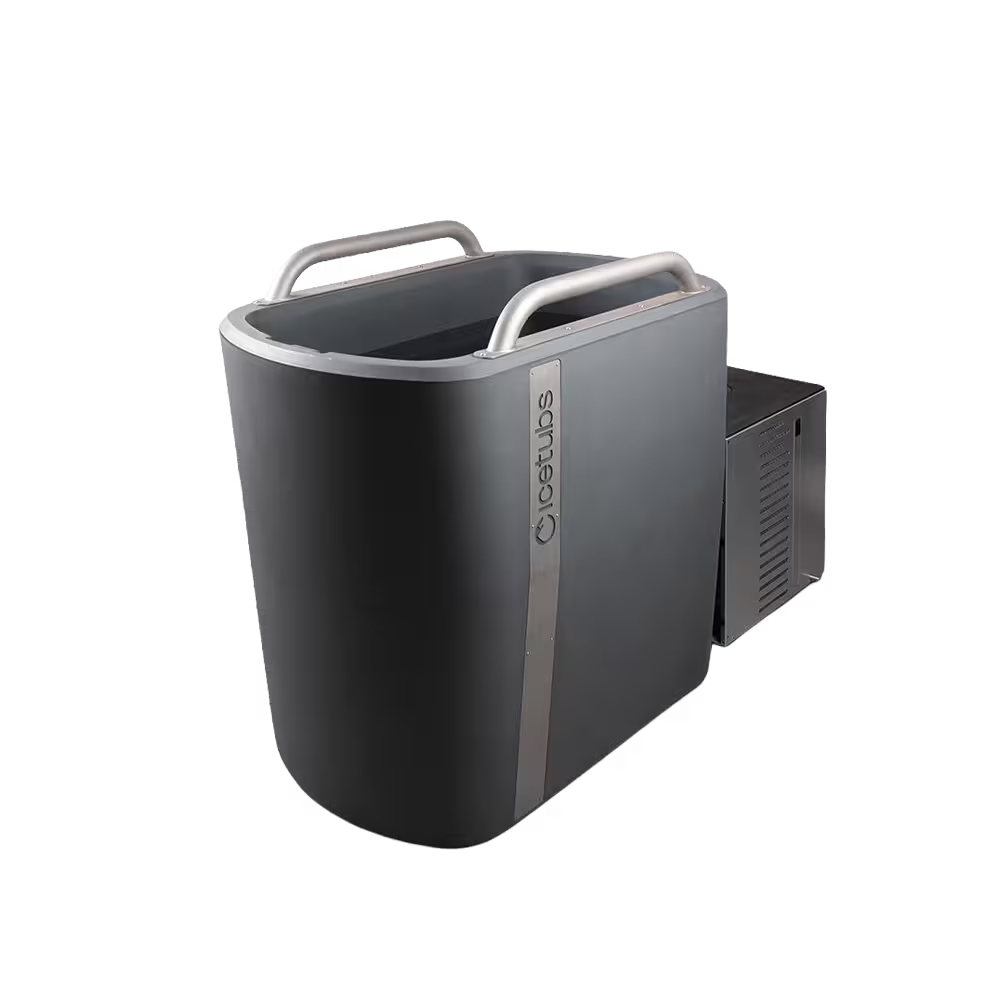
Uma banheira de imersão fria pode facilitar esse processo, pois oferece melhor controle de temperatura, água mais limpa e uma experiência mais consistente do que banhos de gelo improvisados. Ela também ajuda a criar uma rotina de recuperação repetível em casa, academias, hotéis ou espaços de bem-estar.
Crie uma rotina de recuperação mais inteligente
A terapia de imersão em água fria pode ser uma ferramenta útil para a recuperação, o estado de alerta e o bem-estar geral. As evidências mais sólidas apontam para a recuperação a curto prazo e a redução das dores musculares, enquanto outros benefícios ainda estão sendo estudados.
A melhor abordagem é simples: comece devagar, respeite os riscos e utilize a imersão em água fria como parte de uma rotina equilibrada, juntamente com sono, hidratação, movimento e nutrição.
Ter um equipamento de imersão em água fria confiável em casa pode tornar as rotinas de recuperação mais práticas e sustentáveis ao longo do tempo. Com o sistema certo, a exposição ao frio deixa de ser uma questão de intensidade e passa a ser sobre criar hábitos que apoiam o bem-estar e a consistência a longo prazo.