





In this blogpost:
Cold Plunging While Traveling: Hotel and Gym Options
Want to keep cold plunging while traveling? Learn how to find hotel and gym facilities, check their setup, and maintain your routine away from home.
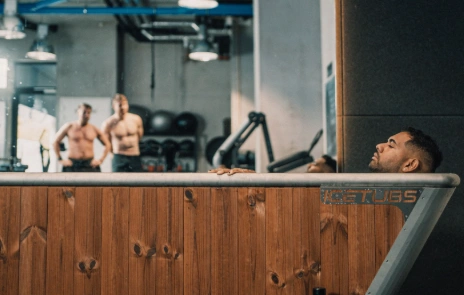
Travel can quickly disrupt even the most consistent wellness routine.
Your normal cold plunge is at home, but suddenly you are staying in a hotel, visiting another city, or spending a few days at a gym.
You do not necessarily need your own tub to keep cold exposure in your routine.
The first step is knowing where to look.
Check Hotels Before You Book
Cold plunge access is becoming more common in wellness-focused hotels, resorts, and fitness facilities.
If cold exposure is important to you, check the hotel's wellness or spa facilities before booking.
Look beyond the word “spa.”
The facility may list cold plunge, ice bath, contrast therapy, recovery room, or thermal circuit instead.
Ask What Is Actually Available
Not every “cold therapy” facility is the same.
Ask whether the property has a dedicated cold plunge, how the water is cooled, and whether the facility is available throughout your stay.
You may also want to know whether access is included or requires a separate booking.
A quick message to the hotel can save you from arriving with the wrong expectations.
Gyms Can Be Another Option
Many performance-focused gyms now offer recovery facilities.
Look for gyms with dedicated recovery areas, sports performance centres, or contrast therapy facilities.
Some may provide cold plunges alongside saunas, compression equipment, or other recovery options.
If you are travelling for training or competition, this can be particularly convenient.
Check the Temperature
If a cold plunge is available, find out how the facility manages temperature.
You may not have control over the setting, especially in a shared environment.
That means you should understand what temperature the facility normally maintains before you enter.
Do not assume that every tub labelled “cold plunge” operates at the same temperature.
Consider Hygiene
Shared cold plunges require good water management.
Look for facilities that clearly explain their cleaning and sanitation procedures.
The area should appear clean and well maintained.
You can also ask how often the water is treated or changed if the information is not readily available.
Respect Facility Rules
Hotels and gyms may have specific rules around session length, reservations, showering, or use after exercise.
Follow them.
You are using a shared facility, so keeping the area clean and following the schedule makes the experience better for everyone.
What If There Is No Cold Plunge?
You still have options.
A cold shower can provide some exposure to cold, although the experience is different from full-body immersion.
You can also simply pause your routine while travelling and return to your normal setup when you get home.
Missing a few sessions is not a failure.
Why a Home Setup Still Has Advantages
A dedicated cold plunge gives you control over your environment.
You choose the temperature, timing, privacy, and routine.
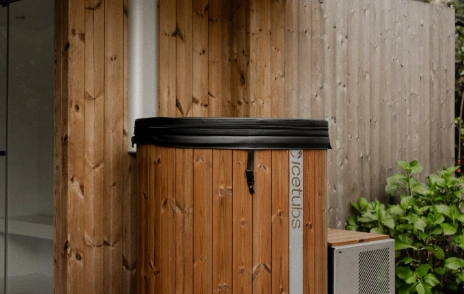
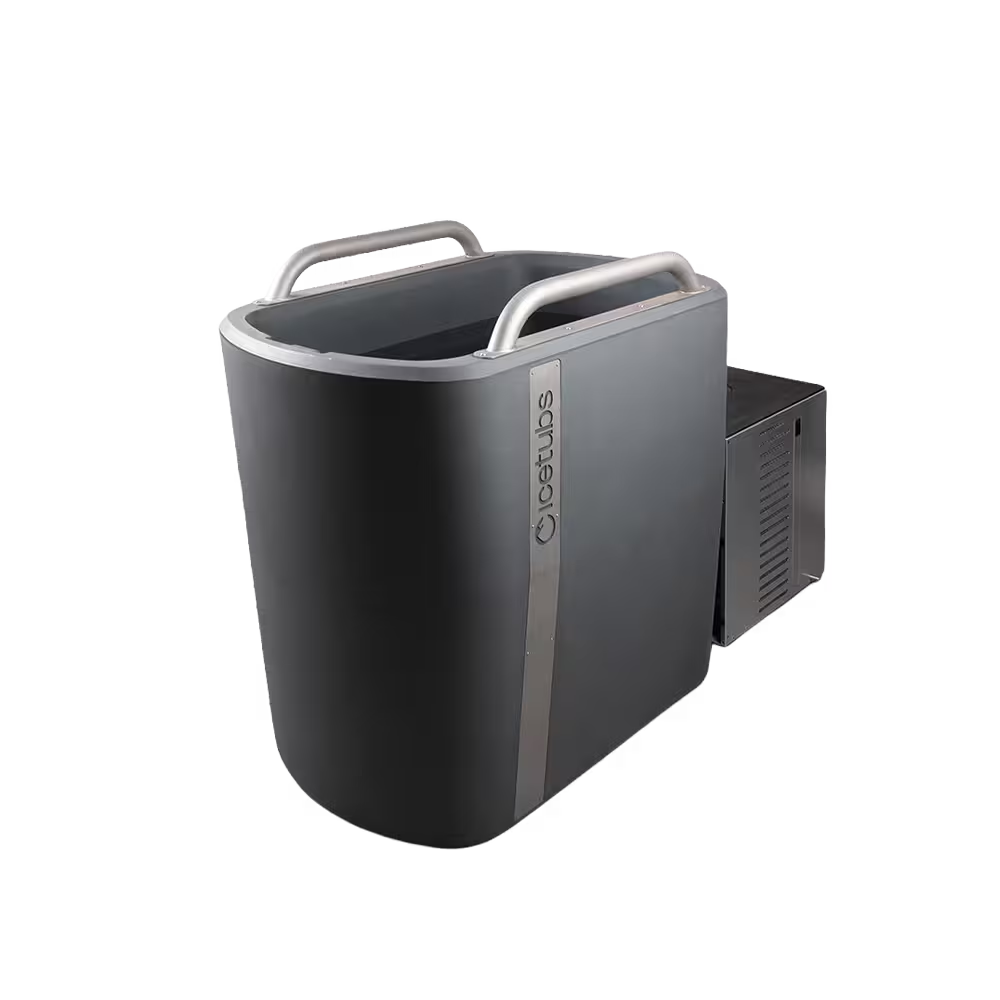
That is one reason a system like the Icetubs Engine, running its own filtration and ozone-supported water care to your schedule, can feel more consistent than a shared facility. Is a Cold Plunge Tub Worth It? looks at that value in more depth.
Your routine does not have to depend on someone else's opening hours.
Build a Flexible Travel Routine
The best approach is not to make travel unnecessarily complicated.
Before leaving, check what is available at your destination.
If there is a suitable cold plunge, use it.
If there is not, adapt.
The goal is consistency over the long term, not perfection during every trip.
Keep Your Expectations Flexible
Travel changes your schedule.
Flights run late.
Hotels have limited hours.
Training plans change.
Your cold exposure routine can change too.
What matters is returning to it when your normal routine resumes.
For the complete approach to planning a cold plunge environment around location, weather, and year-round use, continue with Outdoor Cold Plunge: How to Plan the Right Setup