



In this blogpost:
De nervus vagus en blootstelling aan kou: de connectie begrijpen
Ontdek hoe blootstelling aan kou interageert met de nervus vagus en het autonome zenuwstelsel, inclusief hartslag, ademhaling, gezichtskoeling en herstel.
De nervus vagus komt vaak ter sprake in gesprekken over blootstelling aan kou.
Misschien hoor je wel eens dat een koud bad de "nervus vagus activeert" of helpt om je lichaam in een kalmere staat te brengen.
Er zit een echte fysiologische basis achter dit verband.
Maar de relatie is complexer dan een simpele schakelaar die de nervus vagus aan- of uitzet.
Blootstelling aan kou beïnvloedt verschillende delen van je autonome zenuwstelsel, en je reactie hangt af van het type blootstelling, je ademhaling, de onderdompeling en zelfs of je gezicht in het water komt.
Wat is de nervus vagus?
De nervus vagus is een van de belangrijkste communicatieroutes in het lichaam tussen de hersenen en de interne organen.
Hij speelt een belangrijke rol in het parasympathische zenuwstelsel, dat betrokken is bij functies zoals hartslagregulatie, spijsvertering en herstel.
Het parasympathische systeem wordt vaak geassocieerd met "rust en herstel".
Het sympathische zenuwstelsel daarentegen is nauwer verbonden met alertheid en de vecht-of-vluchtreactie.
Blootstelling aan kou kan in verschillende fasen beide systemen activeren.
De eerste reactie is geen ontspanning
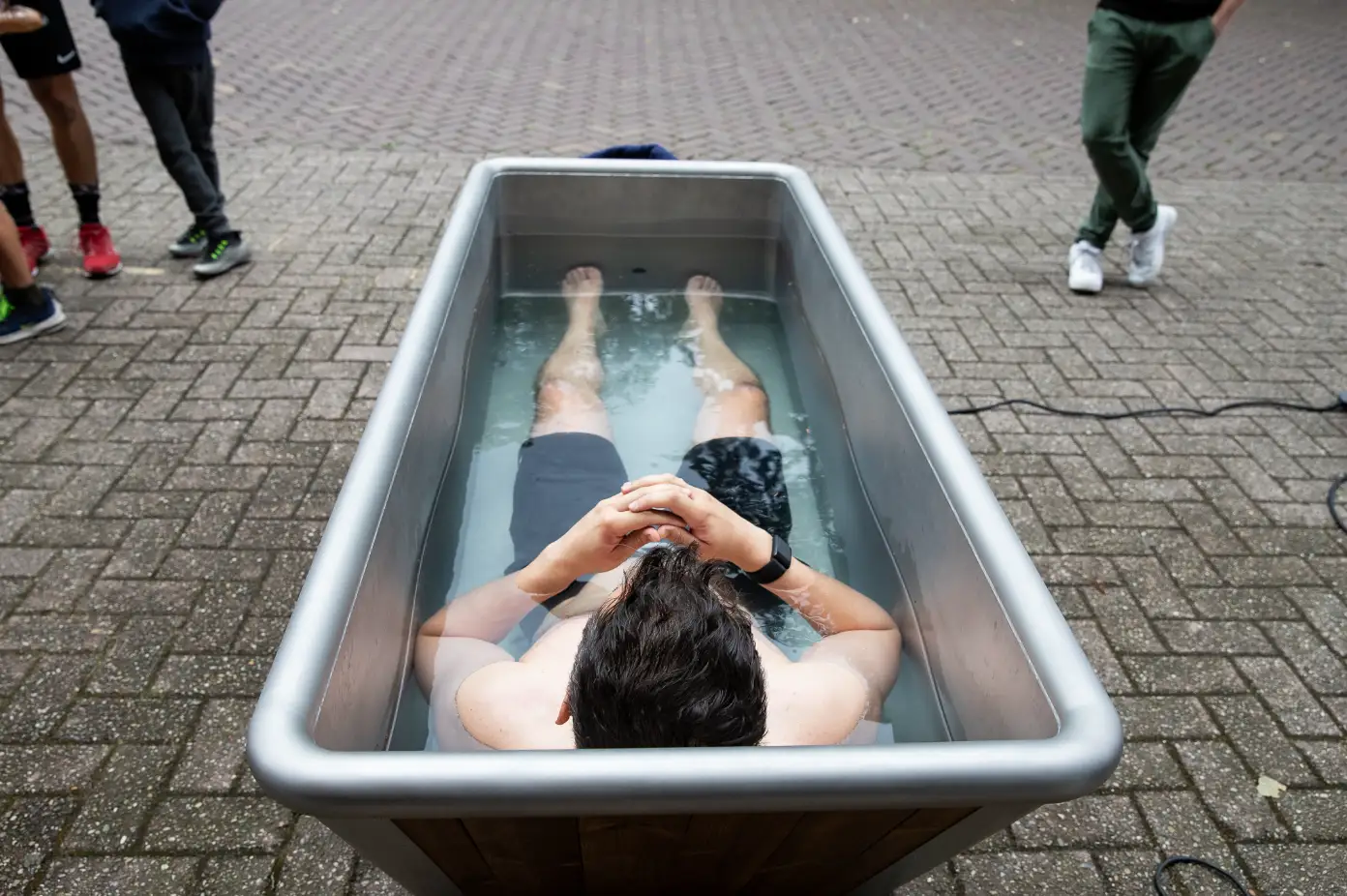
Wanneer je voor het eerst in koud water stapt, wordt het lichaam doorgaans alerter.
Koude-receptoren in je huid sturen signalen naar het zenuwstelsel. Bloedvaten vernauwen zich, de ademhaling kan versnellen en de sympathische activiteit neemt toe.
Dit is de koudeschokreactie.
Het zou dus misleidend zijn om de eerste momenten van een koud bad als puur kalmerend of parasympathisch te omschrijven.
Je lichaam reageert in eerste instantie alsof het geconfronteerd wordt met een aanzienlijke uitdaging uit de omgeving.
Wat is de duikreflex?
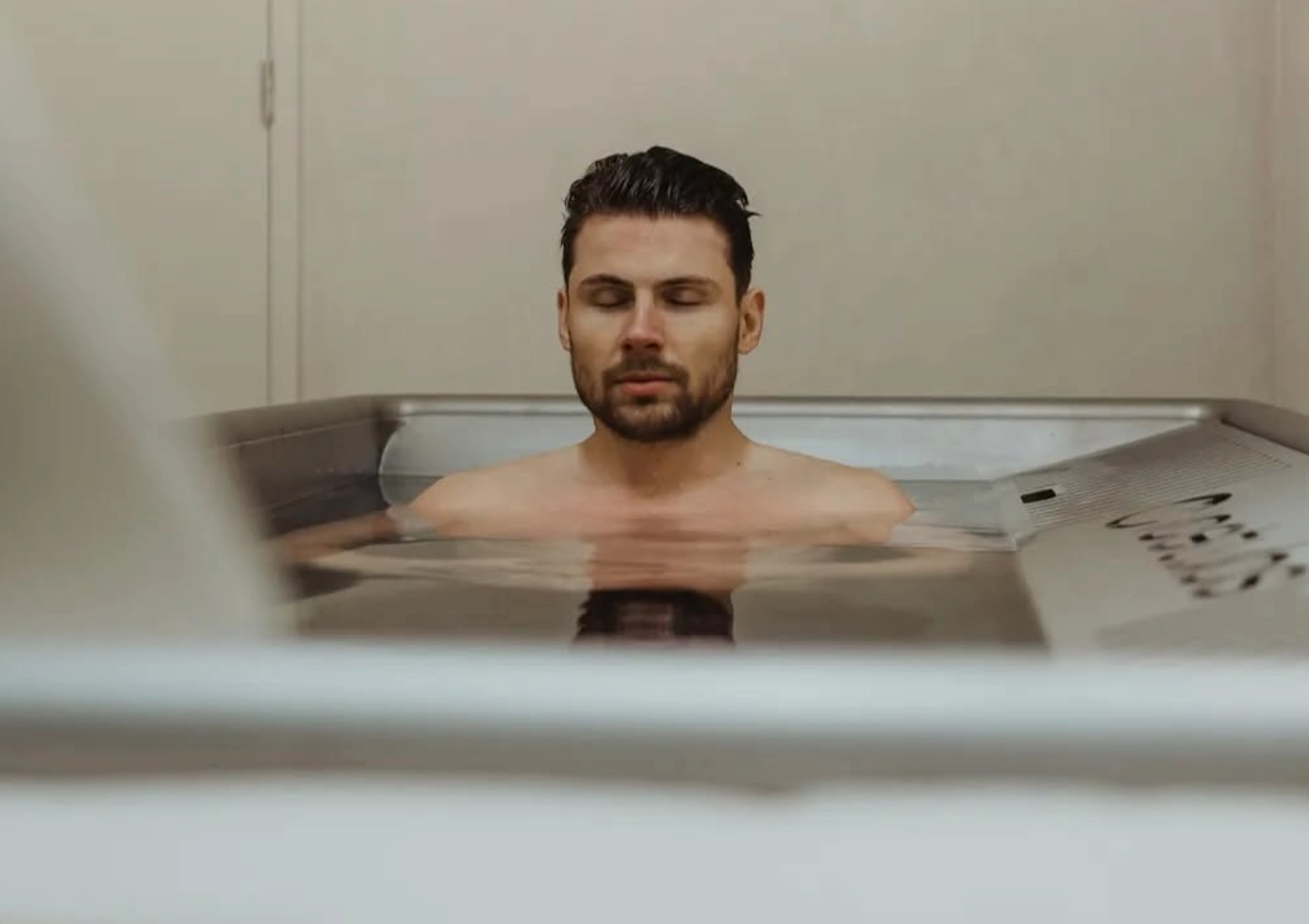
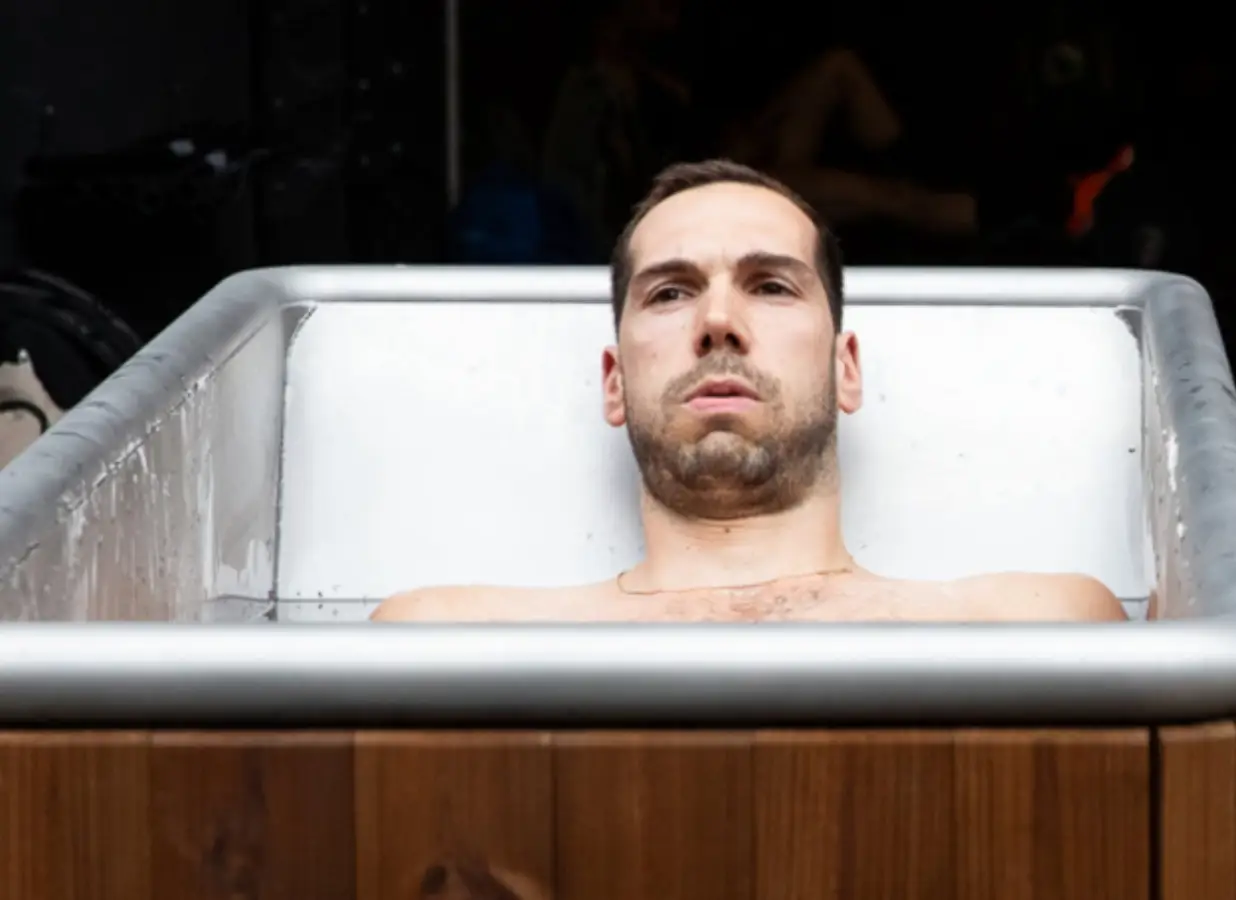
Koud water op het gezicht kan een deel van de menselijke duikreflex activeren.
Koudegevoelige banen rond het gezicht communiceren met de hersenen via de nervus trigeminus. Dit kan de vagale hartactiviteit verhogen en bijdragen aan een vertraging van de hartslag.
De reactie is sterker wanneer het gezicht wordt blootgesteld aan koud water dan wanneer alleen andere lichaamsdelen kou ervaren.
Dit verklaart waarom gezichtskoeling soms wordt besproken in relatie tot de nervus vagus en autonome regulatie.
Wat gebeurt er met de hartslag?
Onderdompeling in koud water kan tegenstrijdige cardiovasculaire effecten teweegbrengen.
In eerste instantie kan blootstelling aan kou de sympathische activiteit, hartslag en bloeddruk verhogen.
Tegelijkertijd kunnen gezichtskoeling en onderdompeling de parasympathische activiteit stimuleren via de duikreflex.
De balans tussen deze reacties hangt af van de omstandigheden en het individu.
Dit is nog een reden om blootstelling aan kou niet te reduceren tot één simpel fysiologisch effect.
Je cardiovasculaire systeem reageert dynamisch.
Ademhaling is belangrijk
Je ademhaling kan de ervaring drastisch veranderen.
De eerste koude schok kan leiden tot happen naar adem of een snelle ademhaling. Door de controle over je ademhaling te herpakken, blijf je rustig terwijl de eerste reactie wegebt.
Dat is een van de redenen waarom bewust ademhalen vaak wordt gecombineerd met blootstelling aan kou.
Maar je adem inhouden is iets anders.
Je adem inhouden tijdens een koud bad kan zorgen voor extra fysiologische stress en het is niet vanzelfsprekend dat dit een koud bad effectiever maakt.
"Reset" kou de nervus vagus?
Die uitdrukking is populair, maar te kort door de bocht.
Blootstelling aan kou reset je nervus vagus niet zomaar zoals je een apparaat opnieuw opstart.
Wat we wel kunnen zeggen is dat koud water, en dan met name het koelen van het gezicht en onderdompeling, invloed kan hebben op de autonome activiteit en de vagale hartrespons.
Dat is een nauwkeurigere beschrijving van wat er gebeurt.
Waar past een ijsbad in het geheel?
Het doel van inzicht in de nervus vagus is niet om nog een reden te vinden om extreme kou op te zoeken.
Het gaat erom te begrijpen waarom de ervaring verandert vanaf het moment dat je het water in gaat tot het moment dat je er weer uitstapt.
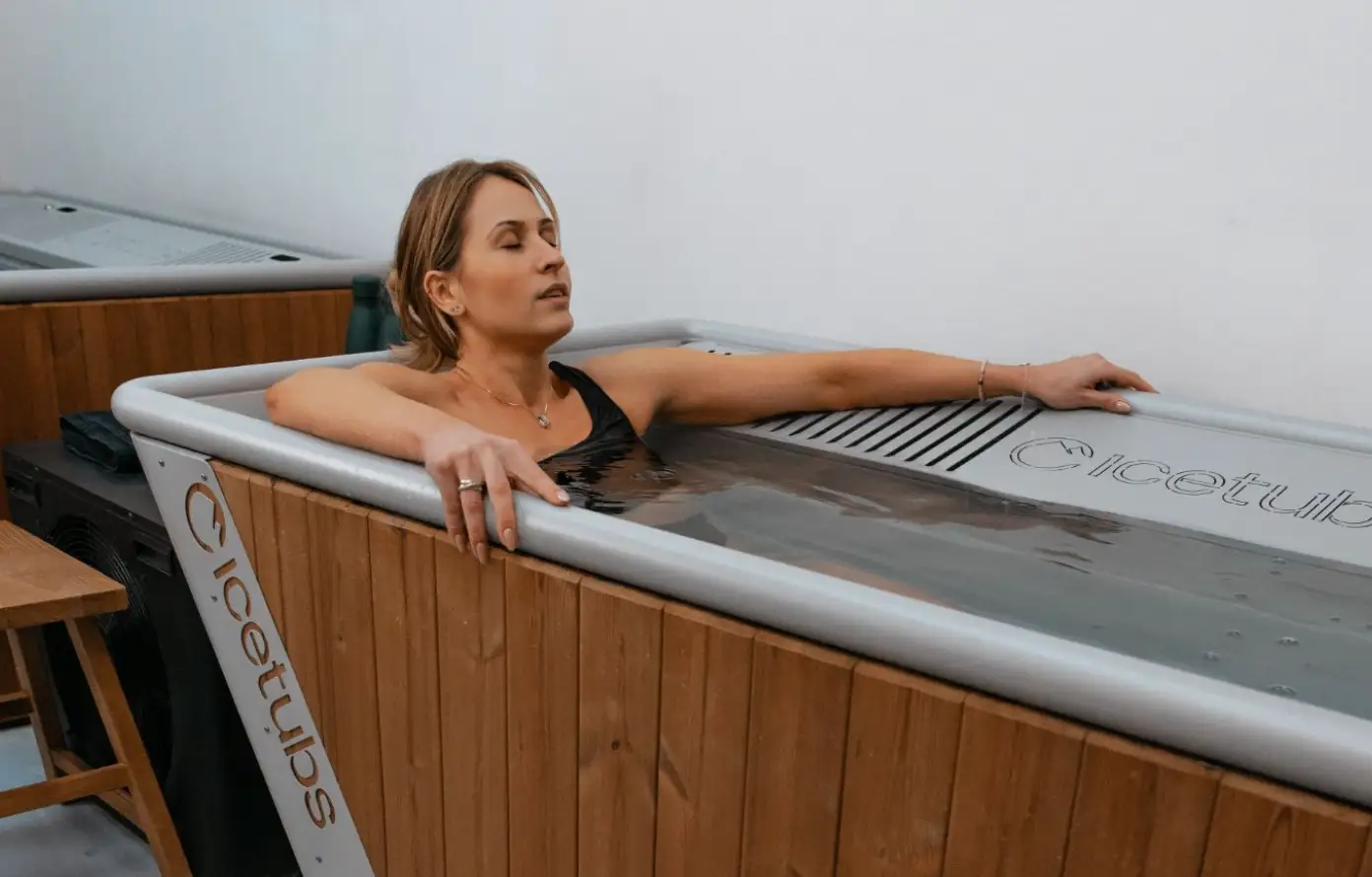
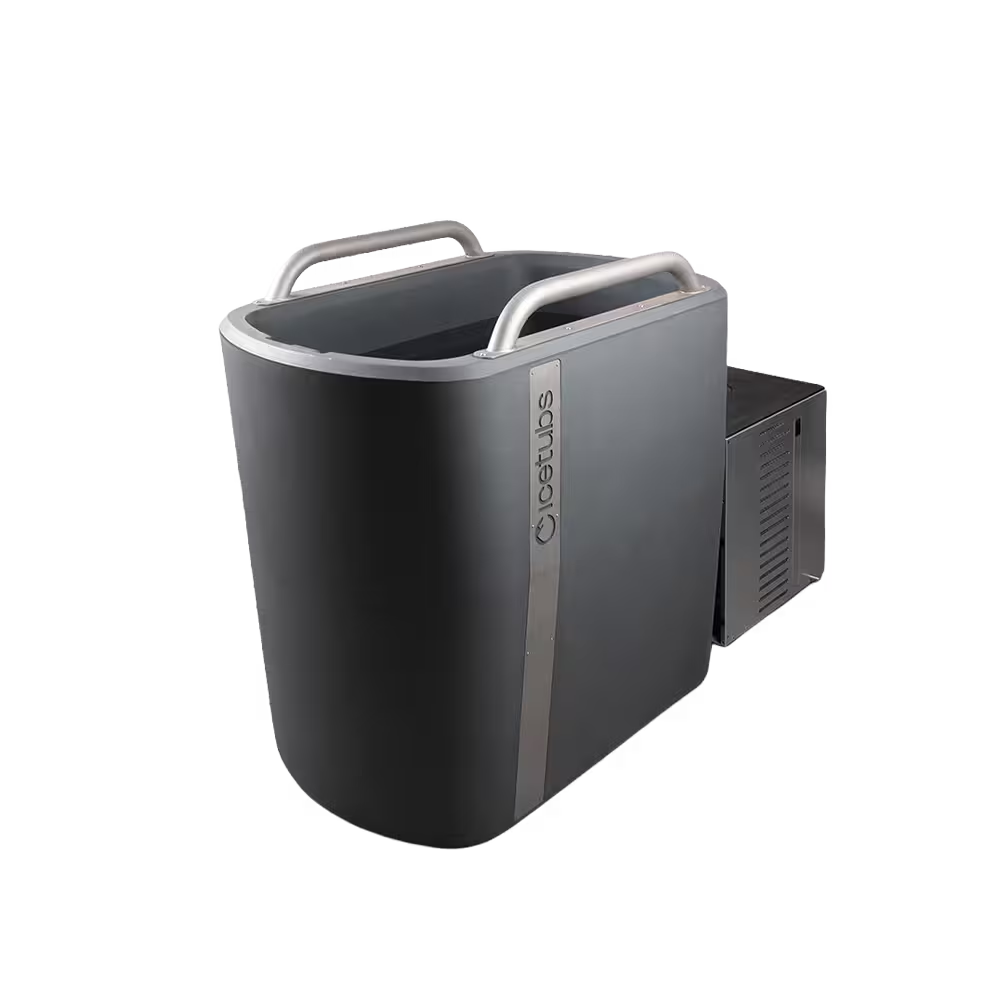
Icetubs geeft je controle over de watertemperatuur, waardoor je een consistente omgeving voor blootstelling kunt creëren en kunt observeren hoe je ademhaling en algehele reactie in de loop van de tijd veranderen.
Het grotere plaatje
De nervus vagus is slechts één onderdeel van de reactie op kou.
Je sympathische zenuwstelsel, bloedsomloop, ademhaling, thermoregulatie en hormoonstelsels zijn er allemaal bij betrokken.
Blootstelling aan kou zorgt voor een initiële uitdaging, gevolgd door een proces van regulatie en herstel.
Dat is wat de fysiologie zo interessant maakt.
Voor het volledige beeld van hoe deze systemen op elkaar inwerken tijdens blootstelling aan kou, ga terug naar De wetenschap achter blootstelling aan kou: hoe het je lichaam beïnvloedt