



In this blogpost:
Wie kalt sollte ein Eisbad sein? Tipps für die sichere Temperatur
Finden Sie die passende Temperatur für Ihr Kältebad, abgestimmt auf Ihr Level – inklusive Empfehlungen für Anfänger, Warnsignalen und praktischen Tipps für einen sanften Fortschritt.
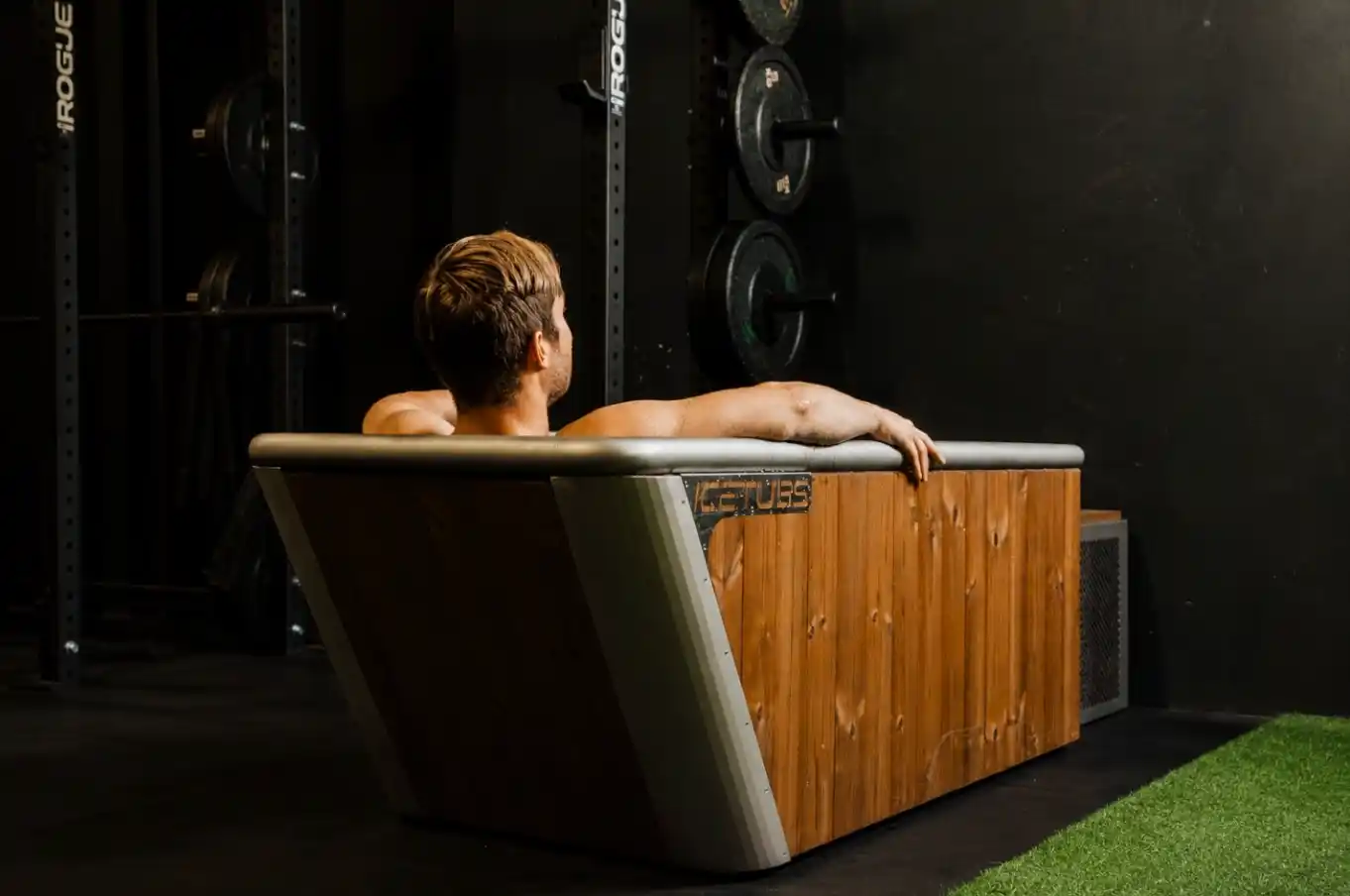
Ein Kältebad muss nicht extrem sein, um effektiv zu sein.
Viele Anfänger glauben, dass kälteres Wasser automatisch zu besseren Ergebnissen führt. Doch der Körper braucht keinen Schock, um von der Praxis zu profitieren. Er benötigt einen Kältereiz, der kontrolliert bewältigt werden kann.
Ob es zu kalt ist, lässt sich nicht nur an einer Zahl festmachen. Es kommt vor allem darauf an, wie Ihr Körper reagiert.
Die richtige Kälte sollte eine Herausforderung sein
Ein Kältebad sollte sich zu Beginn intensiv anfühlen.
Ihr Atem kann kurz werden. Ihre Haut kann kribbeln. Ihr Geist kann Widerstand leisten. Diese Reaktionen sind völlig normal, wenn der Körper mit kaltem Wasser in Berührung kommt.
Dennoch sollte die Erfahrung jederzeit kontrollierbar bleiben.
Wenn Sie Ihren Atem nicht beruhigen können, sich Ihre Brust eng anfühlt oder Panik aufkommt, ist das Wasser für Ihr aktuelles Level möglicherweise zu kalt.
Die richtige Temperatur ermöglicht es, Unbehagen zu spüren, ohne die Kontrolle zu verlieren.
Anfänger sollten moderat beginnen
Für Anfänger ist moderate Kälte meist der bessere Einstieg.
Ein Bereich von etwa 10–15 °C kann ausreichen, um den Körper an die Kälte zu gewöhnen, ohne dass die Anwendung überfordernd wirkt. Sobald sich der Körper angepasst hat, können manche Menschen die Temperatur schrittweise senken.
Es besteht kein Grund zur Eile.
Eisbaden ist effektiver, wenn man es gelassen wiederholen kann. Eine Temperatur, die dazu führt, dass man die nächste Einheit meidet, ist möglicherweise zu extrem, auch wenn sie beeindruckend wirken mag.
Sehr kaltes Wasser erhöht das Risiko
Je kälter das Wasser, desto stärker kann die Reaktion des Körpers ausfallen.
Plötzliche Kälteeinwirkung kann zu Schnappatmung, beschleunigter Atmung, erhöhtem Herzschlag und höherem Blutdruck führen. Deshalb sollte man sich sehr kaltem Wasser vorsichtig nähern, insbesondere als Anfänger.
Das Risiko besteht nicht nur in Unbehagen. Es besteht die Gefahr, die Kontrolle über die Atmung zu verlieren, zu lange im Wasser zu bleiben oder Warnsignale zu ignorieren.
Wenn sich das Wasser so kalt anfühlt, dass Sie nicht mehr ruhig atmen können, verkürzen Sie die Dauer oder erhöhen Sie die Temperatur.
Nutzen Sie die Temperaturregelung für einen langsamen Fortschritt
Ein kontrolliertes Setup nimmt Ihnen das Rätselraten ab.
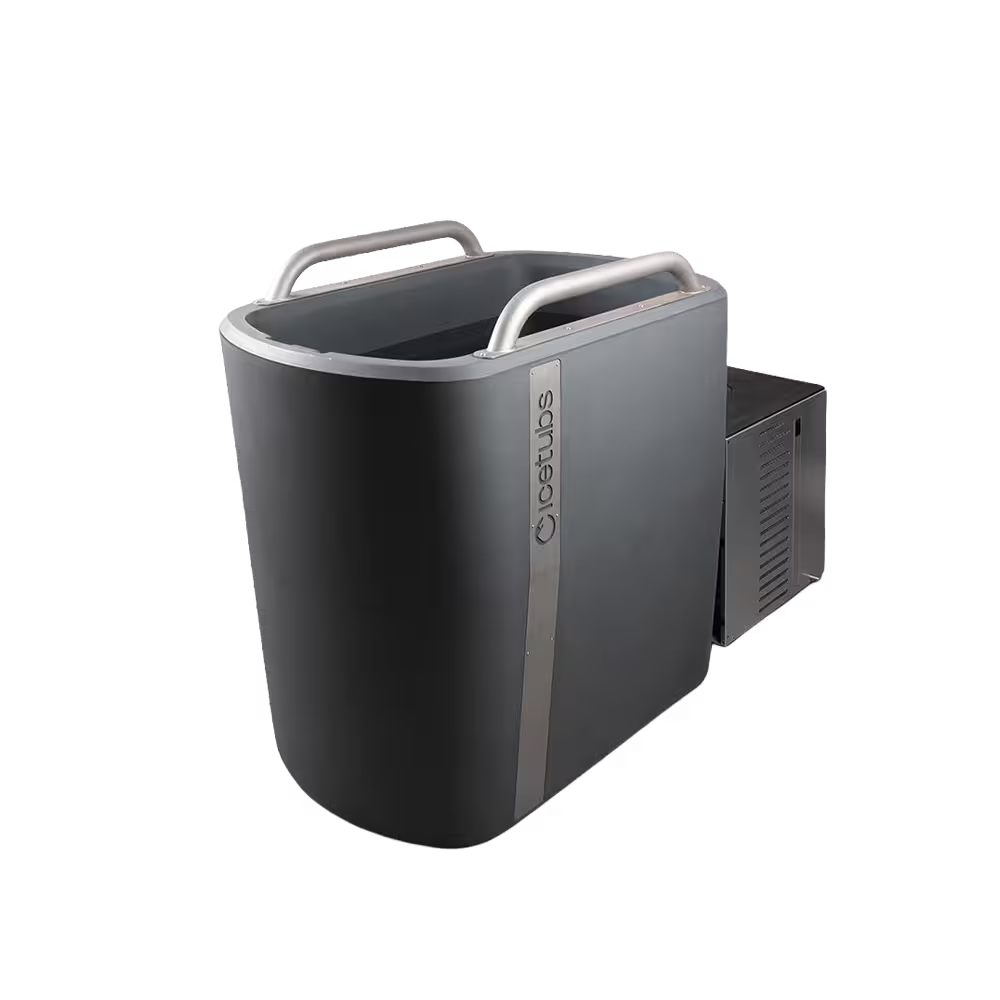
Icetubs bietet eine Temperaturregelung von 3 °C bis 38 °C per App oder Display, was dabei hilft, einen angenehmen Ausgangspunkt zu wählen und sich schrittweise zu steigern.
Das ist wichtig, denn Sicherheit ist einfacher, wenn die Temperatur nicht dem Zufall überlassen bleibt. Anstatt Eis hinzuzufügen und zu hoffen, dass die Wassertemperatur stimmt, können Sie Ihr Training konsequenter gestalten.
Achten Sie auf Anzeichen für zu niedrige Temperaturen
Ihr Körper sendet Signale.
Steigen Sie aus, wenn Sie Folgendes bemerken:
- Schwindel
- Taubheitsgefühle
- Zittern, das sich nur schwer kontrollieren lässt
- Verwirrtheit
- Beschwerden im Brustbereich
- Atemnot, die nicht abklingt
- Verlust der Koordination
- Stechende oder ungewöhnliche Schmerzen auf der Haut
Warten Sie nicht, bis die Sitzung unerträglich wird. Ein vorzeitiger Abbruch ist Teil eines sicheren Trainings.
Vergleichen Sie Ihre Temperatur nicht mit anderen
Kältetoleranz ist individuell.
Eine Temperatur, die für die eine Person angenehm ist, kann für eine andere bereits zu viel sein. Körperbau, Erfahrung, Schlaf, Stress, Trainingsbelastung und sogar die Raumtemperatur beeinflussen, wie sich kaltes Wasser an einem bestimmten Tag anfühlt.
Deshalb ist es nicht sicher, die Routine anderer einfach zu kopieren.
Nutzen Sie die Routinen anderer als Orientierung, nicht als feste Regel. Die für Sie optimale Temperatur beim Eisbaden ist diejenige, bei der Sie ruhig atmen können und die Sie ohne Sicherheitsbedenken regelmäßig wiederholen können.
Kalt genug ist genug
Ein Eisbad muss nicht die kältestmögliche Erfahrung sein.
Für viele Menschen ist die beste Temperatur diejenige, die Fokus, Ruhe und Beständigkeit fördert. Sie sollte den Körper fordern, ohne das Nervensystem zu überlasten.
Beginnen Sie moderat. Passen Sie die Temperatur langsam an. Geben Sie Ihrem Körper Zeit, sich daran zu gewöhnen. Die richtige Temperatur sollte Ihr Selbstvertrauen stärken, anstatt vor jeder Anwendung für Unbehagen zu sorgen. Wenn sich die Kälte herausfordernd, aber bewältigbar anfühlt, wird die Praxis eher zur festen Gewohnheit.
Für einen umfassenderen Sicherheitsrahmen lesen Sie weiter unter Sicherheit beim Eisbaden: Vollständiger Leitfaden zu Risiken & bewährten Methoden.