



In this blogpost:
Eisbaden in der Schwangerschaft: Warum Vorsicht geboten ist
Erfahren Sie, warum Eisbaden während der Schwangerschaft ärztliche Rücksprache erfordert, welche Risiken bestehen und welche sanfteren Alternativen für mehr Wohlbefinden sorgen können.
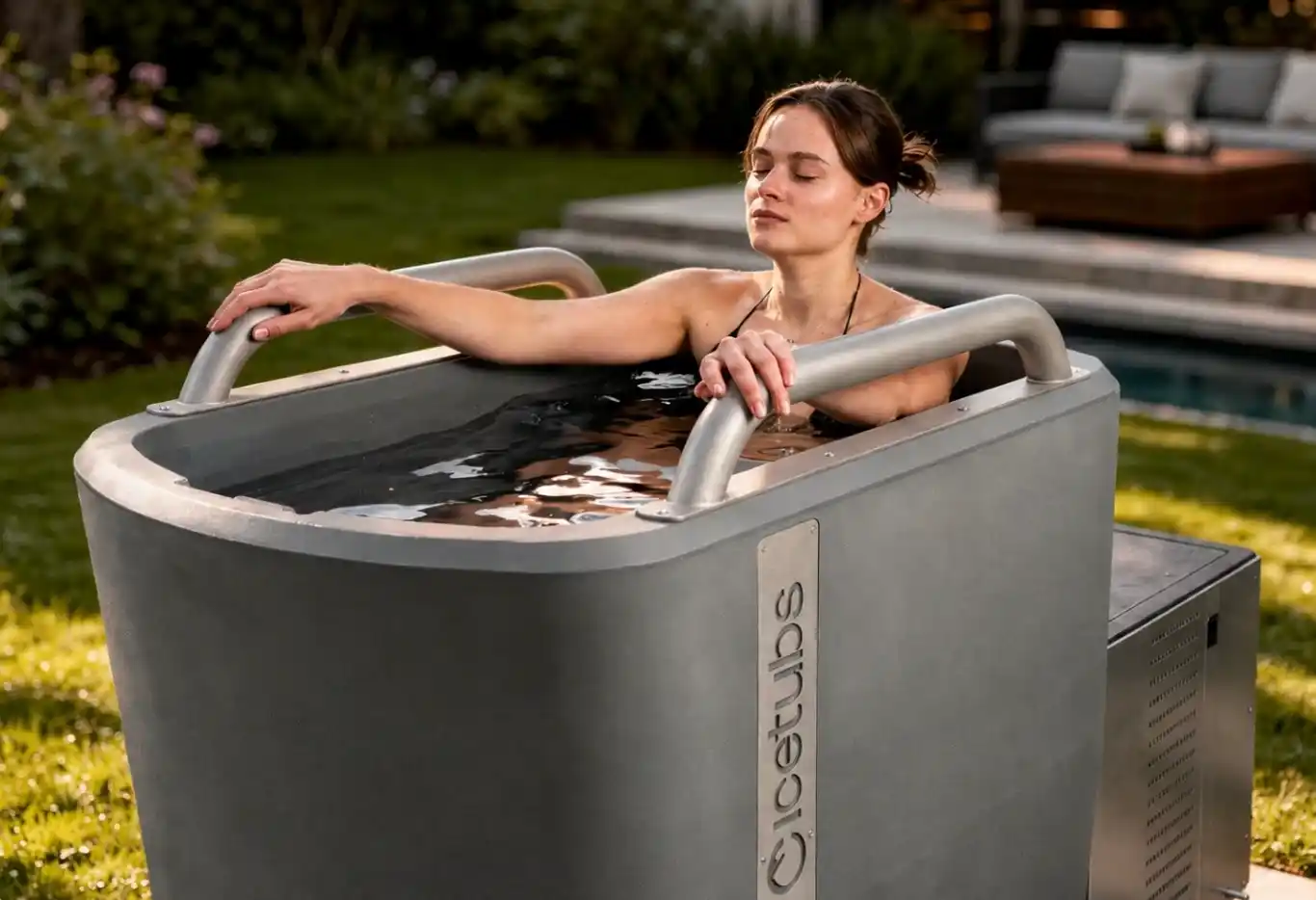
Eine Schwangerschaft verändert die Art und Weise, wie der Körper auf Stress reagiert.
Atmung, Kreislauf, Temperaturregulierung, Blutdruck und Energiehaushalt stellen sich um. Was sich vor der Schwangerschaft normal anfühlte, kann sich jetzt ganz anders anfühlen.
Deshalb sollte man beim Eisbaden während der Schwangerschaft besonders vorsichtig sein.
Kaltes Wasser ist keine neutrale Erfahrung. Es kann innerhalb von Sekunden eine starke körperliche Reaktion auslösen. Die Atmung verändert sich. Das Herz muss mehr leisten. Die Blutgefäße verengen sich. Das Nervensystem wird in Alarmbereitschaft versetzt.
Während der Schwangerschaft erfordert diese Reaktion besondere Vorsicht.
Zuerst ärztlichen Rat einholen
Die sicherste Antwort ist einfach: Sprechen Sie mit Ihrem Arzt oder Ihrer Hebamme, bevor Sie während der Schwangerschaft eisbaden.
Dies ist besonders wichtig, wenn Sie keine Erfahrung mit Kälteanwendungen haben, Schwangerschaftskomplikationen vorliegen, Blutdruckprobleme bestehen, Ihnen leicht schwindelig wird oder Sie an Herz- oder Kreislauferkrankungen leiden.
Eisbaden sollte während der Schwangerschaft nicht ohne ärztlichen Rat begonnen werden. Selbst wenn Sie vor der Schwangerschaft an Kälte gewöhnt waren, kann sich Ihre Toleranz durch die Schwangerschaft verändern.
Ihre medizinische Betreuung kann Ihnen dabei helfen zu entscheiden, ob Kälteanwendungen für Sie geeignet sind, angepasst werden sollten oder besser ganz vermieden werden sollten.
Warum die Schwangerschaft alles verändert
Eisbaden wirkt sich auf das Herz-Kreislauf-System aus.
Wenn der Körper in kaltes Wasser eintaucht, verengen sich die Blutgefäße und das Herz muss unter Umständen stärker arbeiten. Auch die Atmung kann sich vor allem in den ersten Momenten beschleunigen oder stoßweise werden.
Für einen gesunden, nicht schwangeren Erwachsenen ist dies bei schrittweiser Gewöhnung meist unbedenklich. Während der Schwangerschaft leistet der Körper jedoch bereits Schwerstarbeit durch die Umstellung des Blutvolumens, des Kreislaufs und der Temperaturregulierung.
Das bedeutet nicht, dass jeder Kältereiz unsicher ist. Aber ein vollständiges Eintauchen in Eiswasser ist etwas anderes als das Waschen mit kühlem Wasser oder eine leichte Brise. Es ist ein deutlich stärkerer Reiz.
Extreme Temperaturwechsel vermeiden
Die Schwangerschaft ist nicht die Zeit für extreme Belastungen.
Sehr kaltes Wasser, lange Aufenthaltsdauer, plötzliches Eintauchen oder schnelle Wechsel zwischen Hitze und Kälte können unnötigen Stress verursachen. Wenn Sie schwanger sind oder einen Kinderwunsch haben, ist es generell sicherer, auf Eisbäder zu verzichten, es sei denn, Ihr Arzt hat dies ausdrücklich für Sie freigegeben.
Dies gilt auch für die Kontrasttherapie. Der Wechsel von der Saunahitze in kaltes Wasser mag sich zwar erfrischend anfühlen, stellt jedoch eine stärkere Belastung für den Kreislauf und die Temperaturregulierung dar.
Sanft ist besser als intensiv.
Sicherere Alternativen in Betracht ziehen
Wenn Sie während der Schwangerschaft nach Linderung, Entspannung oder einem Moment zum Durchatmen suchen, gibt es möglicherweise sanftere Optionen.
Sie könnten Folgendes in Betracht ziehen:
• Ein lauwarmes Bad
• Sanftes Dehnen
• Langsame Atemübungen
• Ein kurzer Spaziergang
• Schwangerschaftsyoga
• Ausruhen mit hochgelegten Beinen
• Eine kühle Kompresse bei Schwellungen
Diese können für Wohlbefinden sorgen, ohne den Körper einer so starken Kältebelastung auszusetzen.
Es geht nicht darum, auf Wellness-Rituale zu verzichten, sondern solche zu wählen, die zur aktuellen körperlichen Verfassung passen.
Vorsicht bei einstellbaren Temperaturen
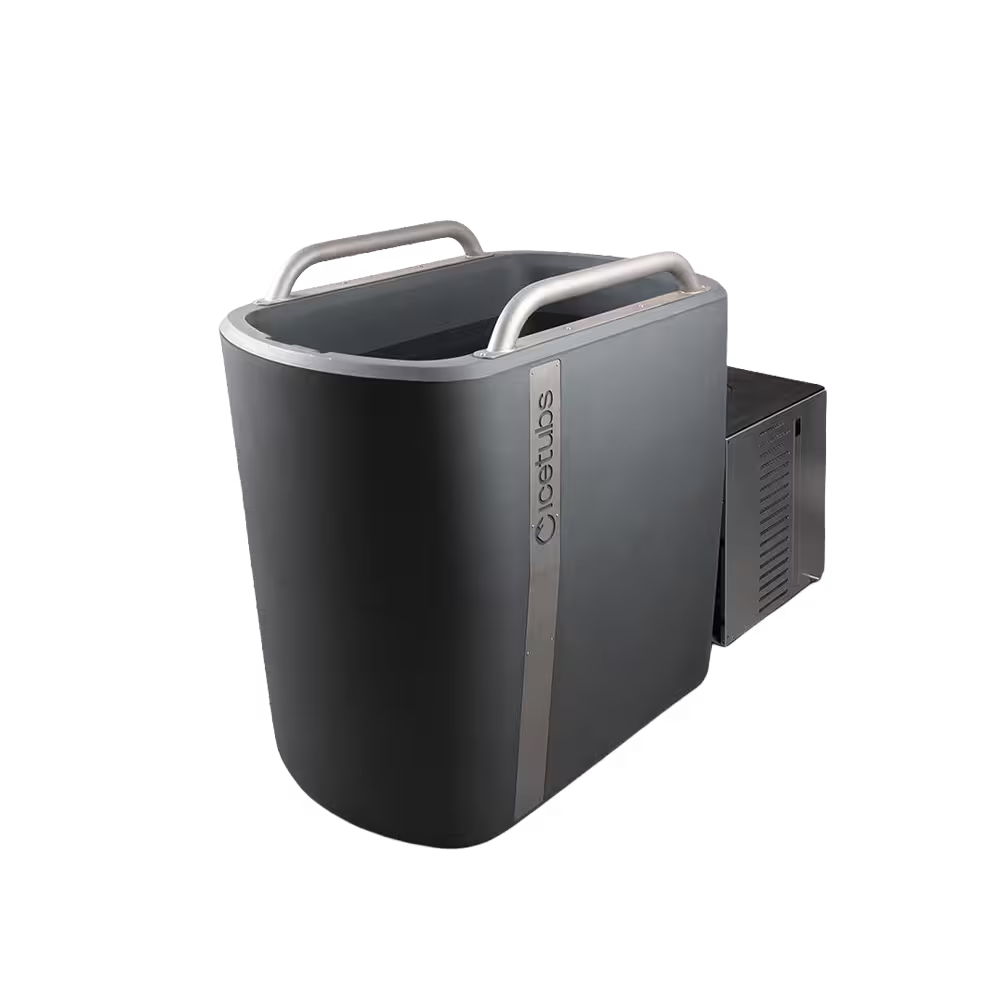
Ein temperaturgesteuertes Becken macht die Handhabung des Wassers einfacher. Bei Icetubs lässt sich die Wassertemperatur beispielsweise bequem per App oder Display einstellen, anstatt sich auf unvorhersehbare Eiswürfel verlassen zu müssen.
Dennoch ersetzt Kontrolle keine ärztliche Beratung.
Auch wenn das Wasser milder eingestellt werden kann, sollte die Sicherheit in der Schwangerschaft individuell bewertet werden. Eine medizinische Fachkraft sollte dabei helfen zu entscheiden, welche Temperatur, Dauer und Art der Kälteanwendung – falls überhaupt – angemessen sind.
Auf Warnsignale achten
Wenn Sie grünes Licht für irgendeine Form der Kälteanwendung erhalten haben, achten Sie genau auf die Signale Ihres Körpers.
Brechen Sie sofort ab, wenn Sie Schwindel, Kurzatmigkeit, Brustbeschwerden, Krämpfe, ungewöhnliche Schmerzen, Zittern, Ohnmachtsgefühle oder Koordinationsstörungen bemerken.
Versuchen Sie während der Schwangerschaft nicht, sich zu „durchbeißen“. Die Signale Ihres Körpers sind wichtiger als jede Routine.
Vorsicht geht vor
Eisbaden kann für viele Menschen eine wertvolle Praxis sein, doch in der Schwangerschaft ändert sich die Risikobewertung.
Dies ist eine Zeit, in der Beständigkeit, Komfort und ärztlicher Rat im Vordergrund stehen sollten. Wenn Sie Zweifel haben, verzichten Sie auf das Eisbad und wählen Sie eine sanftere Form der Erholung oder Entspannung.
Für den allgemeinen Sicherheitsrahmen lesen Sie weiter unter Sicherheit beim Eisbaden: Der vollständige Leitfaden zu Risiken und bewährten Methoden.