



In this blogpost:
Wie Kälteexposition braunes Fett aktiviert und den Stoffwechsel beeinflusst
Erfahren Sie, wie Kälteexposition braunes Fett aktiviert, die Wärmeproduktion und den Energieverbrauch steigert und was die Wissenschaft tatsächlich über Stoffwechsel und Kältetherapie sagt.
Braunes Fett ist einer der interessantesten Aspekte der Wissenschaft hinter der Kälteexposition.
Im Gegensatz zu weißem Fett, das hauptsächlich Energie speichert, hilft braunes Fettgewebe Ihrem Körper dabei, Wärme zu erzeugen. Wenn Ihnen kalt wird, aktiviert Ihr Körper verschiedene Mechanismen, um seine Kerntemperatur aufrechtzuerhalten, und braunes Fett kann bei diesem Prozess eine wichtige Rolle spielen.
Dieser Zusammenhang hat braunes Fett zu einem wichtigen Forschungsgebiet für Stoffwechsel, Thermogenese und Kälteanpassung gemacht.
Aber bedeutet die Aktivierung von braunem Fett, dass Eisbaden automatisch beim Abnehmen hilft?
Nicht ganz.
Was ist braunes Fett?
Braunes Fettgewebe, allgemein als braunes Fett bezeichnet, ist darauf spezialisiert, Wärme zu erzeugen.
Seine Zellen enthalten eine große Anzahl an Mitochondrien, die dabei helfen, Energie in Wärme umzuwandeln, anstatt sie nur zu speichern. Erwachsene verfügen über aktives braunes Fett, insbesondere in Bereichen wie Nacken, oberer Brustkorb und Schultern.
Lange Zeit dachten Forscher, braunes Fett sei hauptsächlich im Säuglingsalter wichtig. Wir wissen heute, dass Erwachsene stoffwechselaktives braunes Fett besitzen und dass Kälteexposition dieses stimulieren kann.
Das macht braunes Fett besonders interessant für die Untersuchung der Reaktion Ihres Körpers auf Temperaturen.
Warum aktiviert Kälte braunes Fett?
Ihr Körper arbeitet ständig daran, seine Kerntemperatur in einem relativ engen Bereich zu halten.
Wenn Ihnen kalt wird, reagiert Ihr Nervensystem schnell. Die Blutgefäße ziehen sich zusammen, um den Wärmeverlust zu verringern, und Ihr Körper beginnt, die Wärmeproduktion zu steigern.
Zittern ist ein solcher Mechanismus.
Braunes Fett bietet einen weiteren.
Durch einen Prozess namens zitterfreie Thermogenese kann braunes Fett Wärme erzeugen, ohne dass sich Ihre Muskeln schnell zusammenziehen müssen.
Dies ist einer der Gründe, warum Ihr Stoffwechsel auf Kälte reagiert.
Erhöht Kälte den Energieverbrauch?
Ja, Kälteeinwirkung kann den Energieverbrauch steigern.
Ihr Körper muss zusätzliche Energie aufwenden, um Wärme zu erzeugen und zu speichern. Braunes Fettgewebe trägt zu diesem Prozess bei, ist jedoch nur ein Teil der gesamten Reaktion.
Die verbrauchte Energiemenge hängt von Faktoren wie Temperatur, Expositionsdauer, Körperzusammensetzung, Akklimatisierung und individueller Physiologie ab.
Genau hier kommt es bei Kälteexposition und Gewichtsverlust häufig zu Missverständnissen.
Ein erhöhter Energieverbrauch während einer Kälteanwendung führt nicht automatisch zu einem nennenswerten langfristigen Fettabbau.
Braunes Fett ist kein Abkürzung zum Wunschgewicht
Eisbaden sollte nicht als Ersatz für eine gesunde Ernährung oder Sport betrachtet werden.
Die Aktivierung von braunem Fett ist physiologisch interessant, doch der Zusammenhang zwischen Kälteexposition und langfristiger Körperzusammensetzung ist weitaus komplexer.
Appetit, Aktivitätsniveau, Stoffwechsel, Schlaf und die gesamte Energiebilanz spielen dabei eine entscheidende Rolle.
Kälteexposition kann den Energieverbrauch Ihres Körpers zwar vorübergehend steigern, das bedeutet jedoch nicht, dass jedes Eisbad zu einem signifikanten Kaloriendefizit führt.
Es ist hilfreicher, Kälte als einen Reiz zu betrachten, auf den Ihr Stoffwechsel reagiert.
Kann wiederholte Kälteexposition braunes Fettgewebe verändern?
Wiederholte Anwendung ist besonders interessant.
Durch regelmäßige Kälteexposition kann Ihr Körper effizienter mit dem Temperaturreiz umgehen. Die Aktivität des braunen Fettgewebes und andere thermogene Mechanismen können sich im Zuge dieser Anpassung verändern.
Sie werden vielleicht auch feststellen, dass dieselbe Temperatur mit der Zeit weniger belastend wirkt.
Das bedeutet jedoch nicht, dass Sie das Wasser immer kälter machen müssen.
Bei der Anpassung geht es darum, wie Ihr Körper auf den Reiz reagiert, nicht darum, dessen Intensität ständig zu steigern.
Wo passt das Eisbad hinein?
Ein Eisbad bietet Ihnen eine kontrollierte Möglichkeit, den thermischen Reiz zu erzeugen.
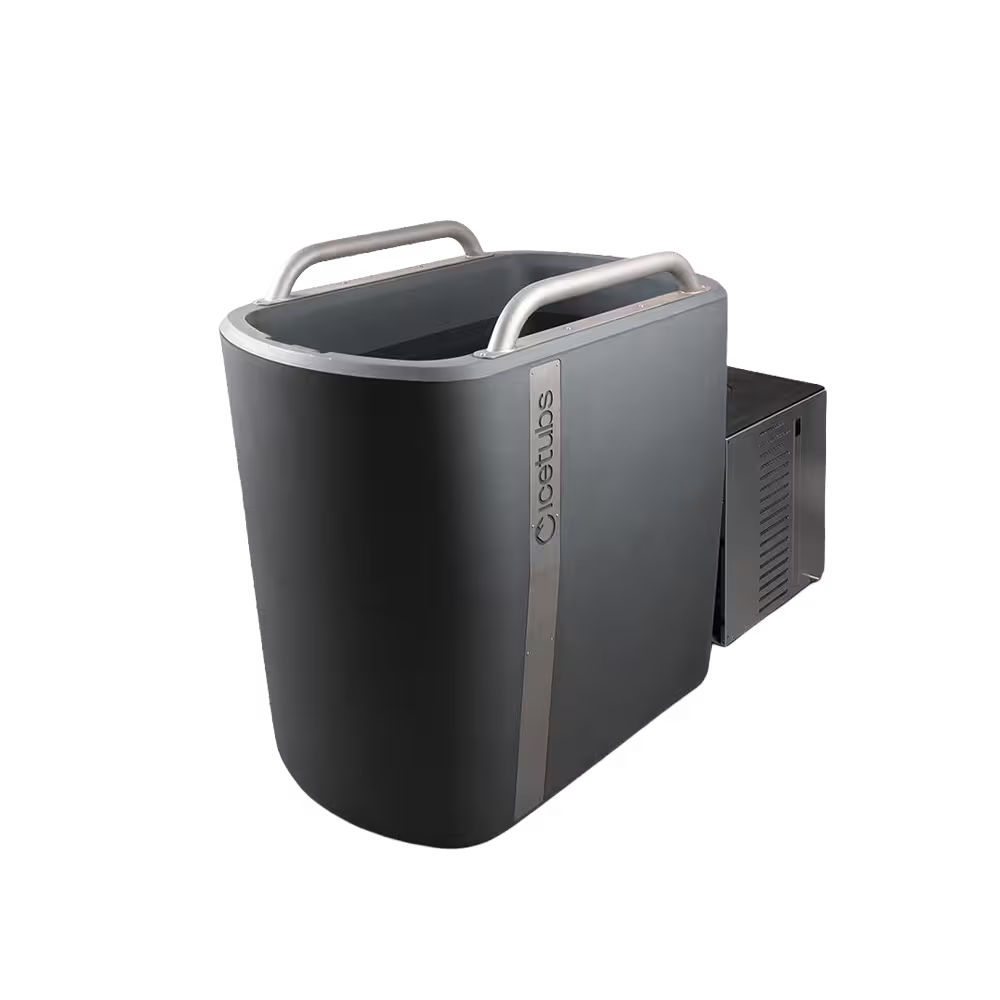
Mit Icetubs können Sie die Wassertemperatur präzise steuern. Das macht es einfacher, wiederholbare Bedingungen zu schaffen, anstatt sich auf schwankende Außentemperaturen oder das manuelle Hinzufügen von Eis zu verlassen.
Diese Beständigkeit kann hilfreich sein, wenn Sie nachvollziehen möchten, wie Ihr Körper im Laufe der Zeit reagiert.
Der größere metabolische Zusammenhang
Braunes Fettgewebe erklärt, warum Kältereize mehr bewirken, als nur die Temperaturwahrnehmung zu beeinflussen.
Ihr Nervensystem reagiert. Die Durchblutung verändert sich. Die Wärmeproduktion steigt. Energie wird mobilisiert. Braunes Fett kann aktiver werden.
Doch all das macht Eisbaden nicht zu einer eigenständigen Strategie zur Gewichtsabnahme.
Die wissenschaftlichen Hintergründe sind weitaus interessanter.
Kältereize stellen Ihren Körper vor eine kontrollierte Herausforderung, und braunes Fett ist einer der Mechanismen, die dabei zum Einsatz kommen.
Um zu verstehen, wie braunes Fett in die umfassendere physiologische Reaktion auf Kälte eingebettet ist, lesen Sie weiter unter Die Wissenschaft der Kälteexposition: Wie sie Ihren Körper beeinflusst