



In this blogpost:
Eisbad oder Wechseldusche: Was passt besser in Ihren Alltag?
Vergleichen Sie Eisbad und Wechseldusche hinsichtlich Temperaturwechsel, Regeneration, Komfort, Routine und der Wahl der richtigen Kältetherapie.
Sowohl Eisbäder als auch Wechselduschen nutzen Temperaturreize, um eine körperliche Reaktion hervorzurufen.
Sie sorgen jedoch für sehr unterschiedliche Erfahrungen.
Ein Eisbad ist eine gezielte Kälteexposition.
Eine Wechseldusche kombiniert warmes und kaltes Wasser.
Das eine schafft einen dedizierten Moment für die Kältetherapie.
Das andere integriert Temperaturwechsel in eine einfache Duschroutine.
So funktionieren Wechselduschen
Bei Wechselduschen wird zwischen warmem und kaltem Wasser abgewechselt.
Das Prinzip besteht darin, wiederholte Temperaturreize zu setzen, anstatt ausschließlich Kälte anzuwenden.
Für viele Menschen fühlt sich das zugänglicher an, als direkt in ein Eisbad zu steigen.
Sie können die Intensität anpassen, indem Sie den Temperaturunterschied, die Dauer und die Anzahl der Zyklen variieren.
Eisbäder bieten ein vollständiges Eintauchen
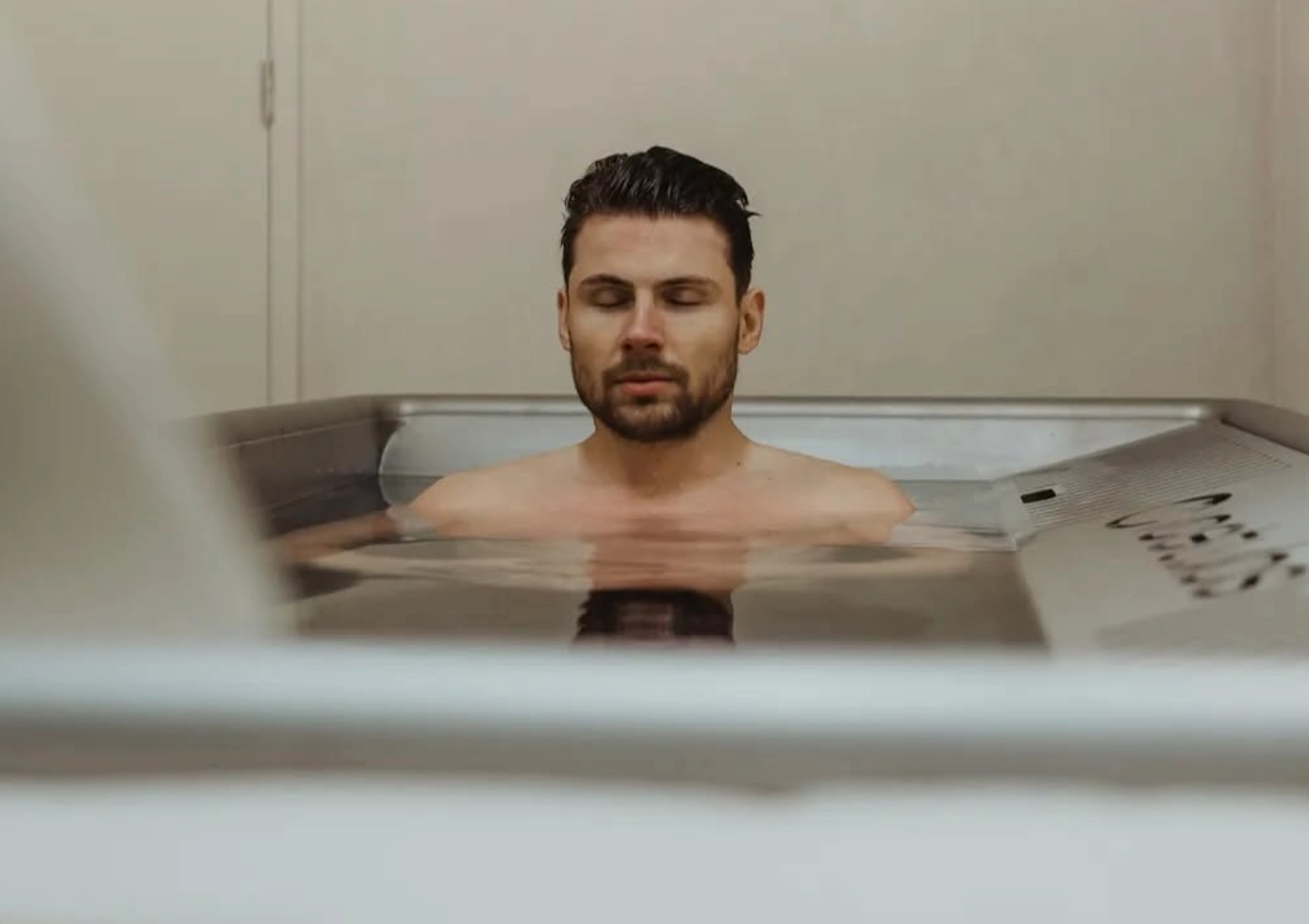
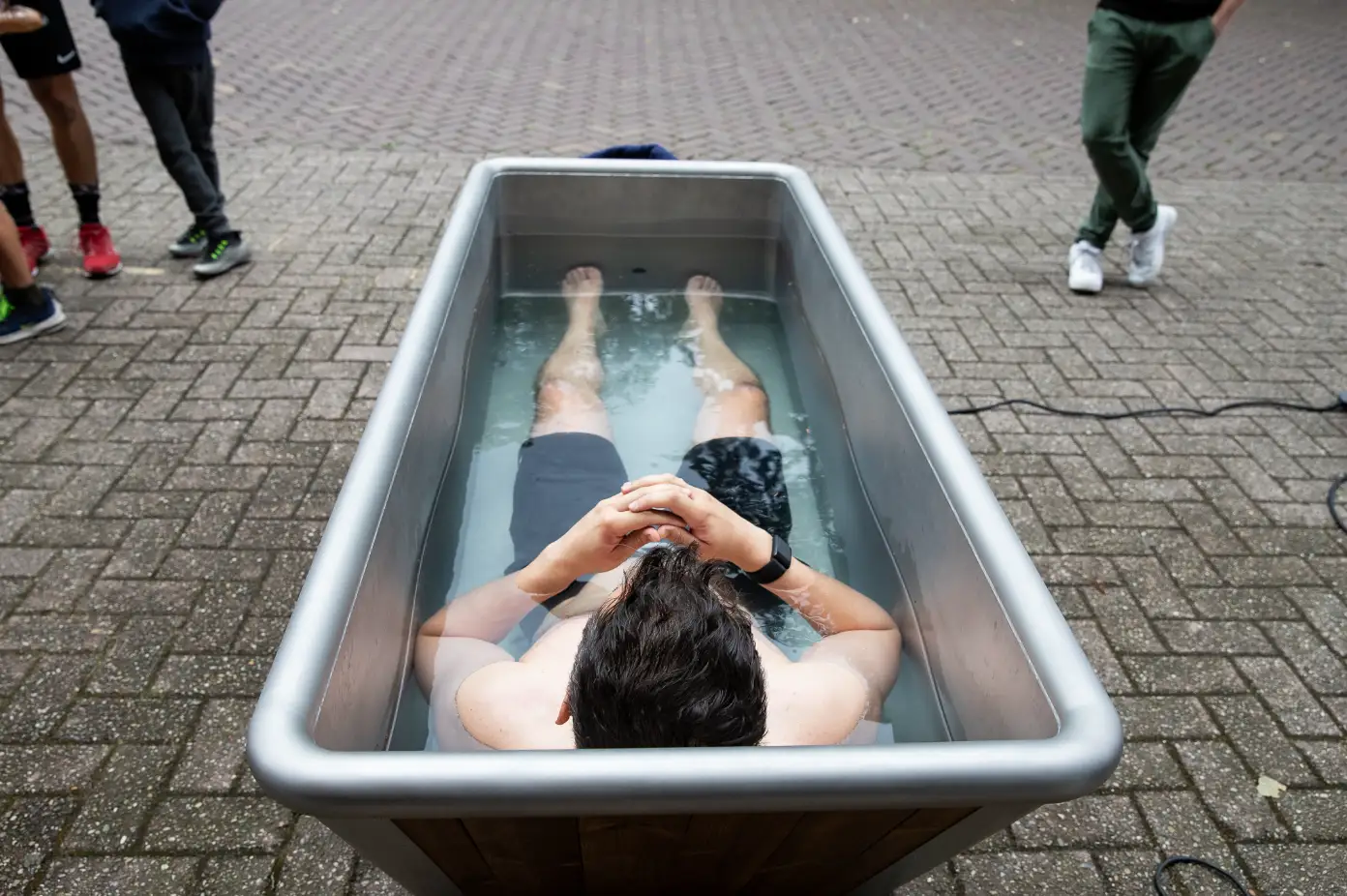
Ein Eisbad umschließt Ihren gesamten Körper mit kaltem Wasser.
Dies sorgt für ein intensiveres Erlebnis, da Ihr Körper überall gleichzeitig derselben Temperatur ausgesetzt ist.
Die Herausforderung ist unmittelbar.
Ihre Atmung verändert sich. Ihr Fokus schärft sich. Sie müssen ganz im Moment bleiben.
Für viele Menschen ist genau das der Grund, warum das Eisbaden so wertvoll ist.
Der Komfortfaktor ist ein anderer
Wechselduschen sind extrem einfach in den Alltag zu integrieren.
Sie haben die Ausrüstung bereits. Es sind weder Installation noch Wartung oder ein eigener Platz erforderlich.
Eisbäder erfordern mehr Engagement.
Sie benötigen eine Wanne, eine Routine zur Wasserpflege und den entsprechenden Platz.
Doch dieser zusätzliche Aufwand kann auch zu einer stärkeren Gewohnheit führen, da die Praxis ihren eigenen festen Platz und Zeitpunkt hat.
Erholungs- und Wellnessziele
Beide Ansätze lassen sich gut in Erholungsroutinen integrieren.
Wechselduschen eignen sich gut, wenn Sie einen schnellen, temperaturbasierten Reset ohne zusätzliche Ausrüstung wünschen.
Eisbäder sind ideal, wenn Sie eine strukturiertere Form der Kälteexposition suchen.
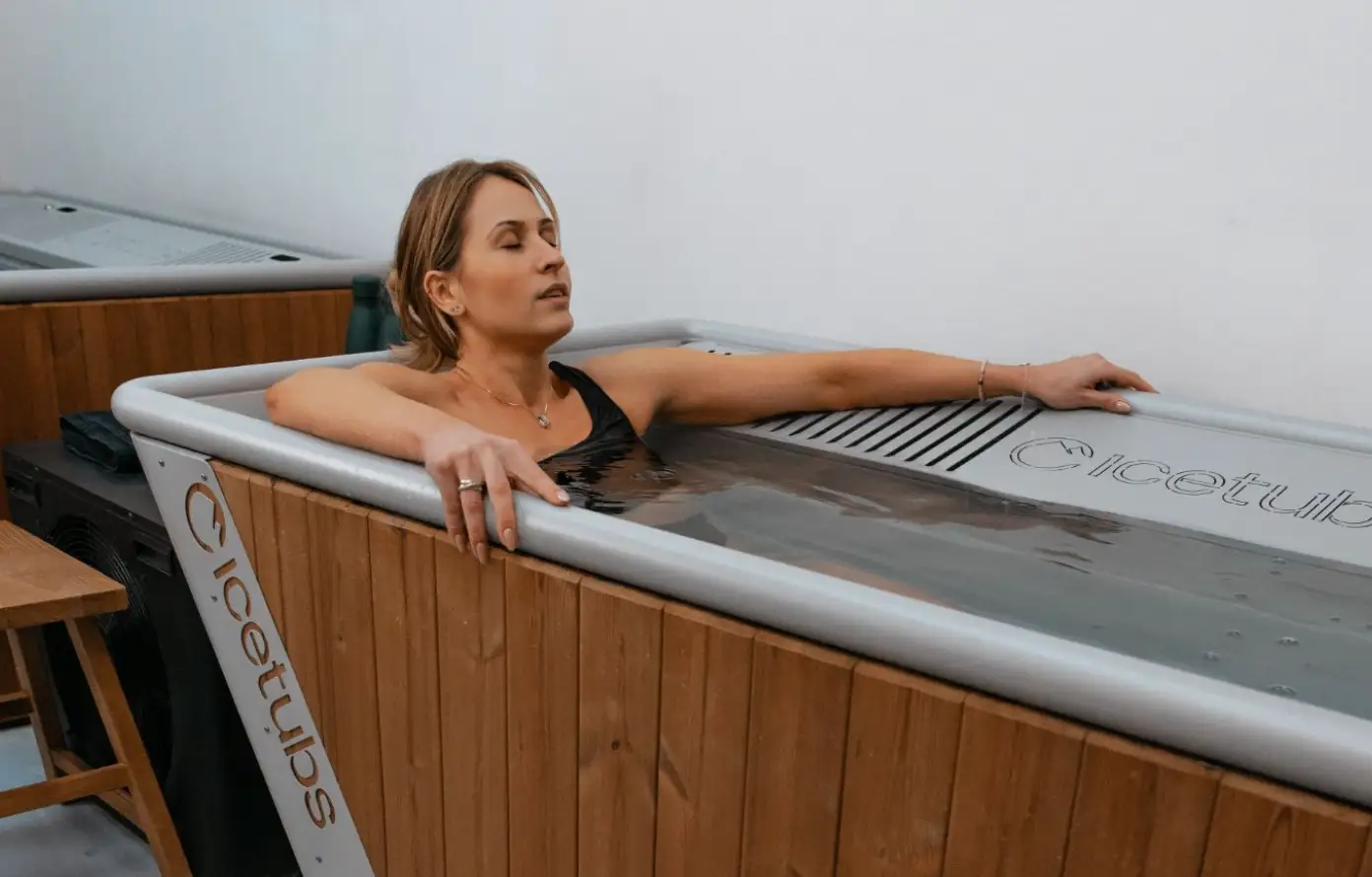
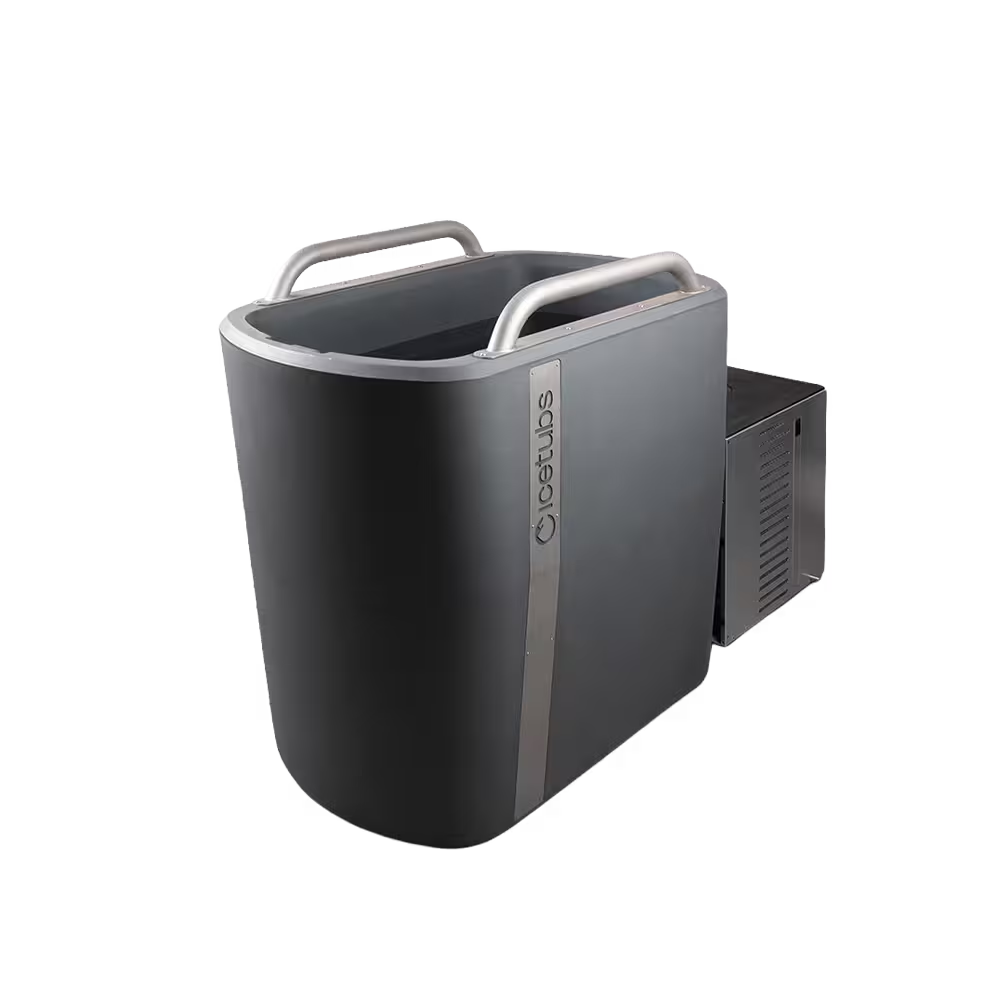
Icetubs wurde entwickelt, um das Eisbaden einfacher und wiederholbar zu machen – mit integrierter Temperaturregelung, Zirkulation, Filterung und Wasserpflege.
Was ist besser für Anfänger?
Eine Wechseldusche ist möglicherweise der einfachere Einstieg.
So können Sie sich schrittweise an die Kälte gewöhnen und beobachten, wie Ihr Körper darauf reagiert.
Ein Eisbad mag anfangs herausfordernder wirken, bietet aber mehr Kontrolle über die Kälteexposition.
Der beste Einstieg ist der, den Sie auch langfristig beibehalten können.
Eine langfristige Gewohnheit aufbauen
Beständigkeit ist wichtiger als Intensität.
Eine tägliche, einfache Wechseldusche ist oft wertvoller als eine gelegentliche extreme Kälteanwendung.
Ein Eisbad kann sehr effektiv sein, wenn es sich natürlich in Ihren Alltag integrieren lässt.
Die Methode ist zweitrangig – entscheidend ist, dass Sie dabeibleiben.
Für einen vollständigen Überblick über den Vergleich verschiedener Kältetherapie-Methoden lesen Sie weiter unter Kältetherapie im Vergleich: Welche Methode ist die richtige für Sie?