



In this blogpost:
Methoden & Routinen für das Eisbad: Der komplette Praxis-Guide
Erstellen Sie eine Eisbad-Routine mit praktischen Methoden, Tipps zur Dauer, Atemtechniken, Kontrasttherapie und täglichen Gewohnheiten für eine sicherere Regeneration.
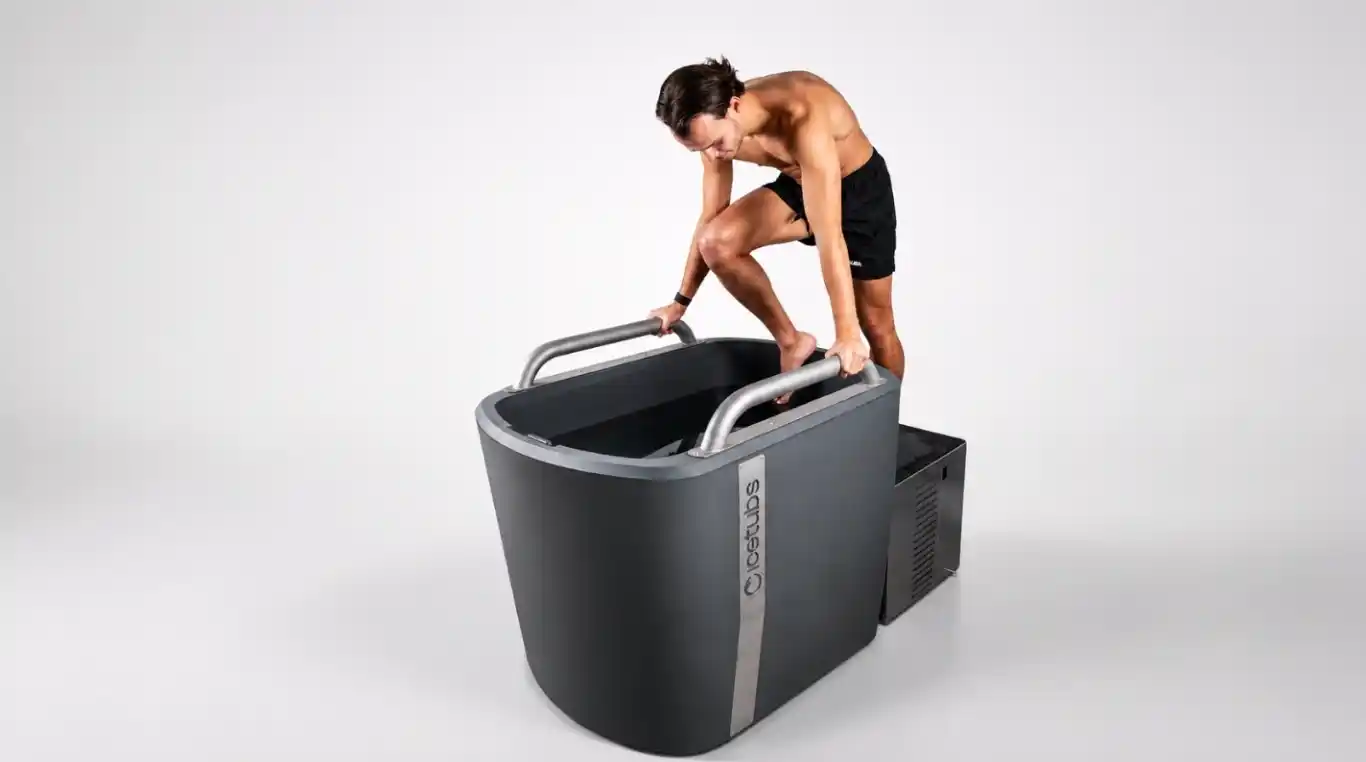
Ein Eisbad beginnt mit einer einfachen Handlung: dem Einstieg in kaltes Wasser.
Doch die Praxis gewinnt an Kraft, wenn sie einem Rhythmus folgt.
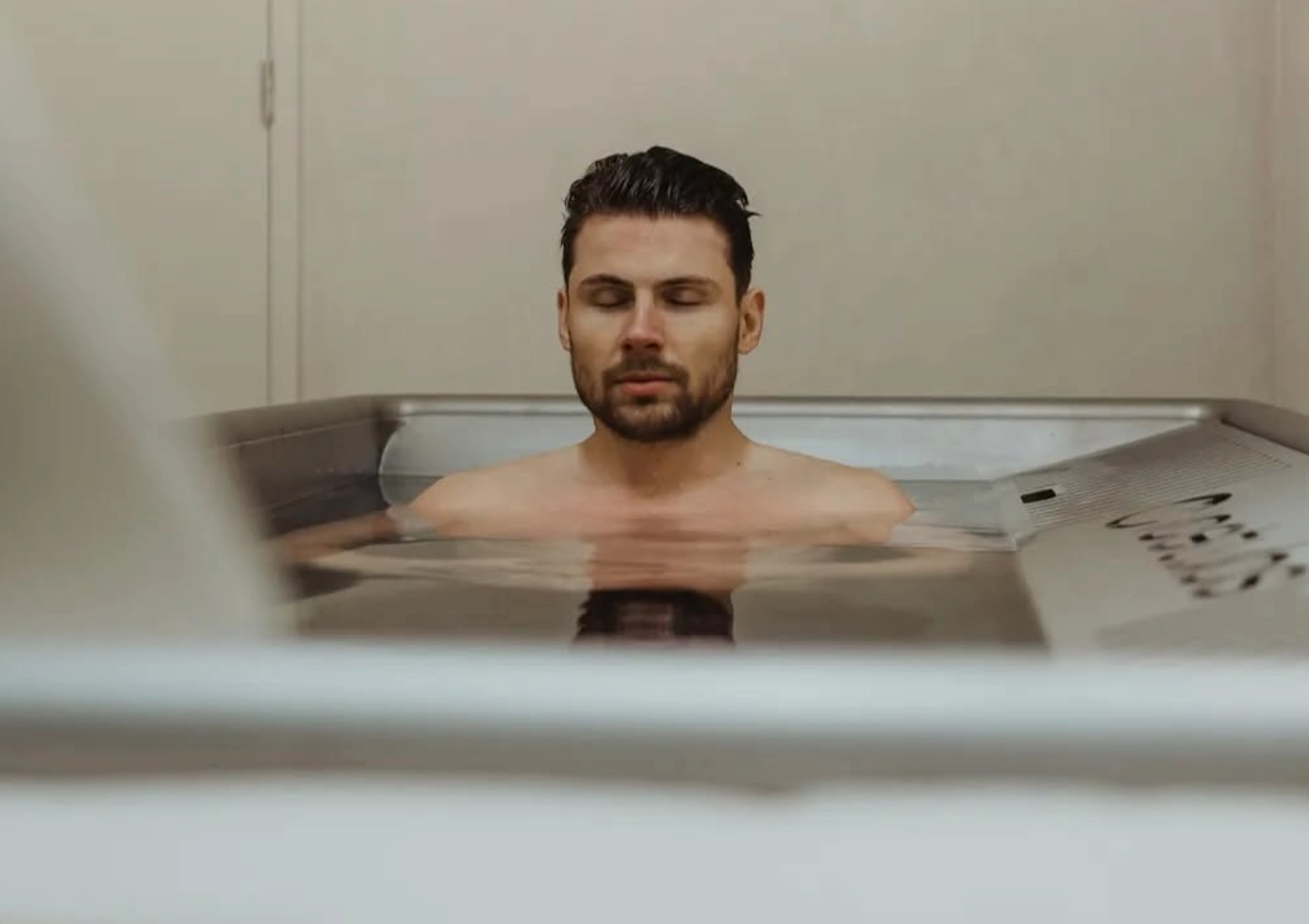
Die Kälte fordert Aufmerksamkeit. Ihr Atem verändert sich. Ihr Körper reagiert. Ihr Geist sucht nach einem Ausweg. Dann, ganz allmählich, beruhigt sich der Atem. Der Körper passt sich an. Der Moment wird stiller.
Deshalb sollte eine Eisbad-Routine nicht auf Zwang basieren. Sie sollte auf Achtsamkeit, Wiederholung und einer Methode aufbauen, die zu Ihrem Leben passt.
Beginnen Sie mit Ihrer Intention
Bevor Sie sich für eine Methode entscheiden, fragen Sie sich, was Sie mit der Praxis erreichen möchten.
Manche nutzen kaltes Wasser nach dem Training. Andere verwenden es morgens, um wach zu werden. Wieder andere sehen darin einen mentalen Reset, eine Übung in Disziplin oder einen Teil eines umfassenderen Wellness-Rituals mit Sauna, Atemarbeit oder Meditation.
Das Ziel bestimmt die Routine.
Wenn die Regeneration im Vordergrund steht, bietet sich ein Eisbad nach dem Training oder an Ruhetagen an. Wenn Sie Energie tanken möchten, sind morgendliche Einheiten oft angenehmer. Wenn Entspannung das Hauptziel ist, ist eine ruhigere Routine mit Atemübungen und einem sanften Aufwärmen besser geeignet.
Halten Sie die erste Routine einfach
Ein Eisbad muss nicht extrem sein, um effektiv zu wirken.
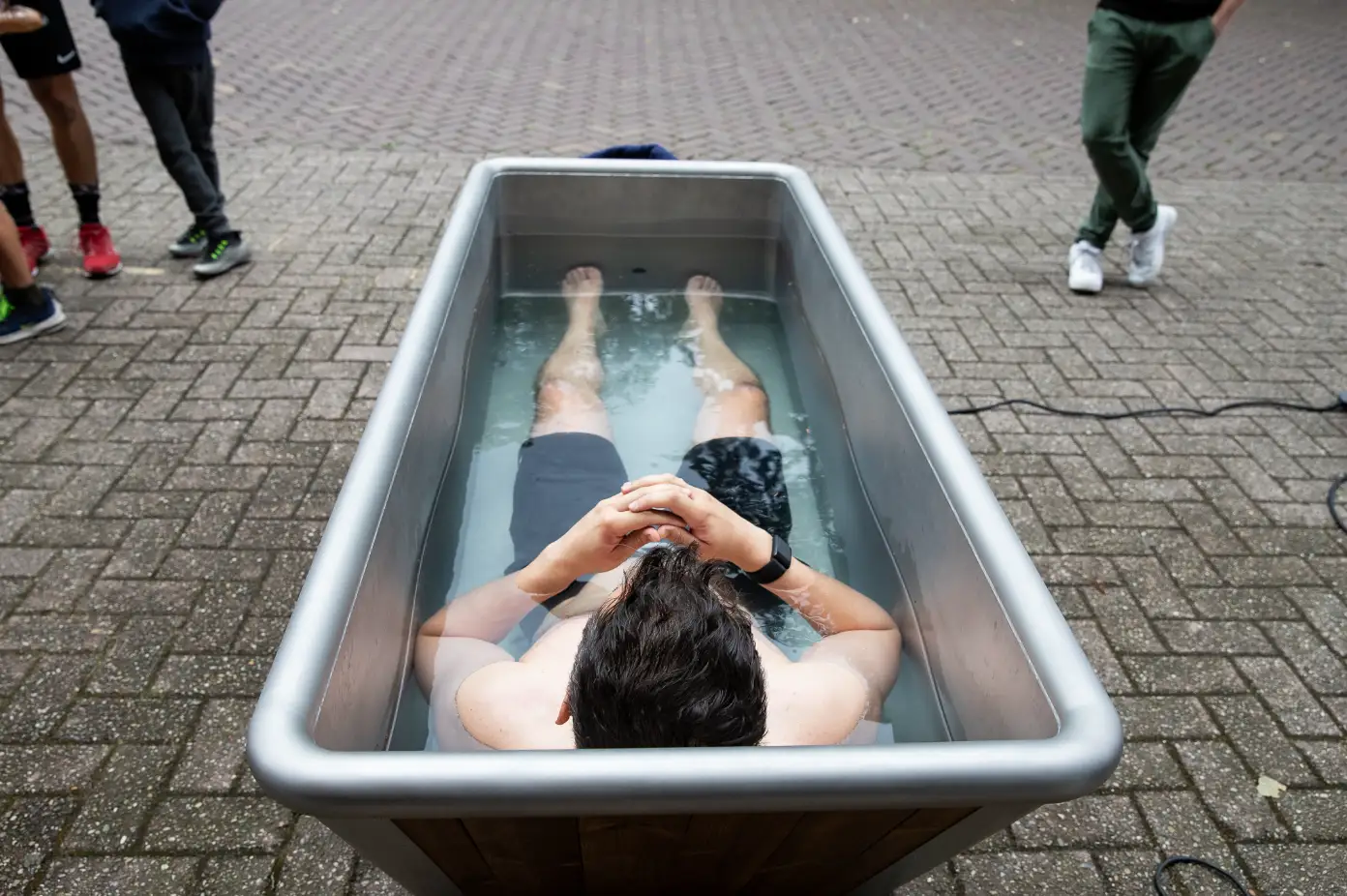
Anfänger sollten mit kurzer Dauer, moderater Kälte und ruhiger Atmung beginnen. Es geht nicht darum, so lange wie möglich im Wasser zu bleiben. Das Ziel ist es, kontrolliert einzusteigen, bei sich zu bleiben und das Wasser mit einem stabilen Gefühl wieder zu verlassen.
Eine einfache Routine könnte so aussehen:
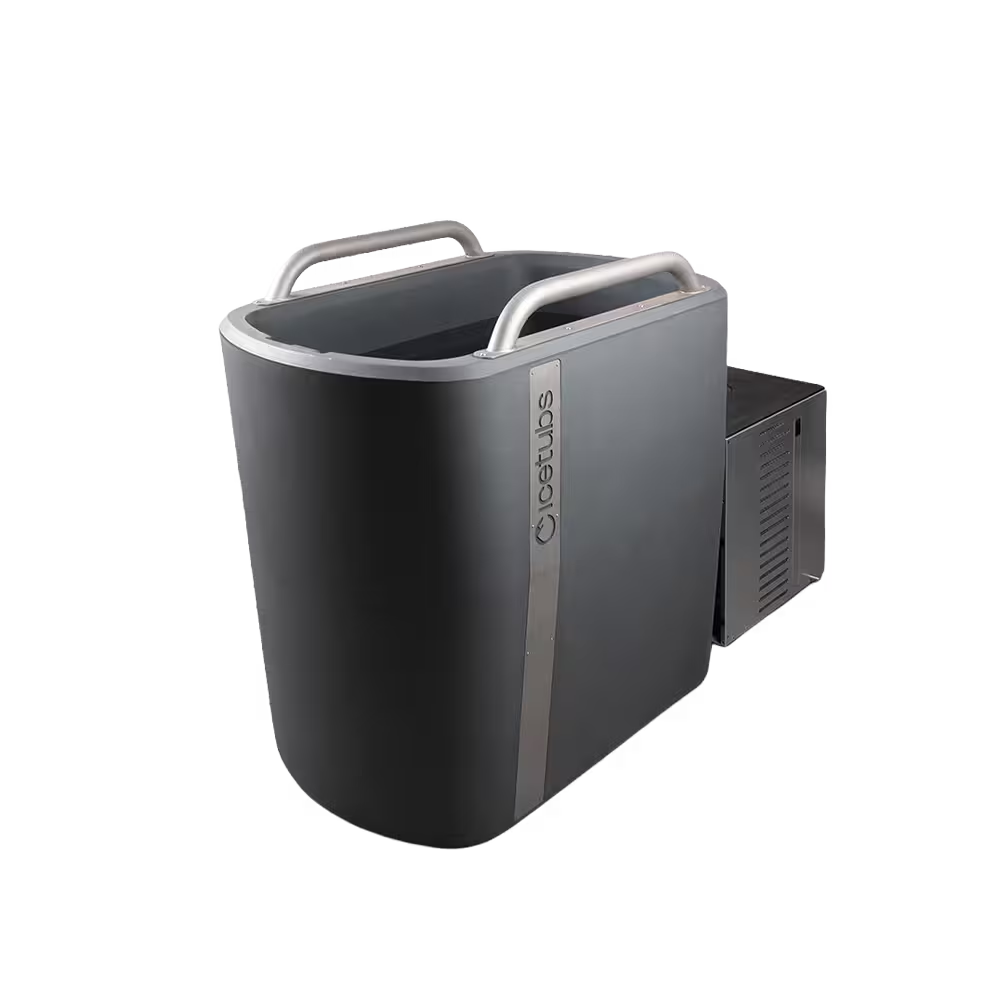
- Bereiten Sie das Becken, ein Handtuch und warme Kleidung vor
- Steigen Sie langsam ein
- Konzentrieren Sie sich auf lange Ausatmungen
- Bleiben Sie nur kurz und kontrolliert im Wasser
- Steigen Sie ruhig wieder aus
- Wärmen Sie sich auf natürliche Weise auf
Sobald sich Ihr Körper angepasst hat, können Sie Dauer, Temperatur, Häufigkeit oder Methode individuell anpassen.
Wenden Sie Atemtechniken mit Bedacht an
Atemarbeit kann das Eisbaden unterstützen, sollte jedoch mit Vorsicht angegangen werden.
Atmen Sie vor dem Eintauchen ein paar Mal langsam ein und aus. Entspannen Sie die Schultern. Lassen Sie die Ausatmung länger als die Einatmung werden. Dies hilft, das Nervensystem auf den Kältereiz vorzubereiten.
Halten Sie die Atmung während des Bads einfach. Atmen Sie sanft ein. Atmen Sie langsam aus. Lassen Sie sich durch den Atem durch den ersten Kälteschock leiten.
Intensivere Methoden, wie die Wim-Hof-Atmung, sollten vor dem Eisbad durchgeführt werden und niemals während des Eintauchens oder bei Schwindelgefühlen.
Kombinieren Sie Wärme und Kälte
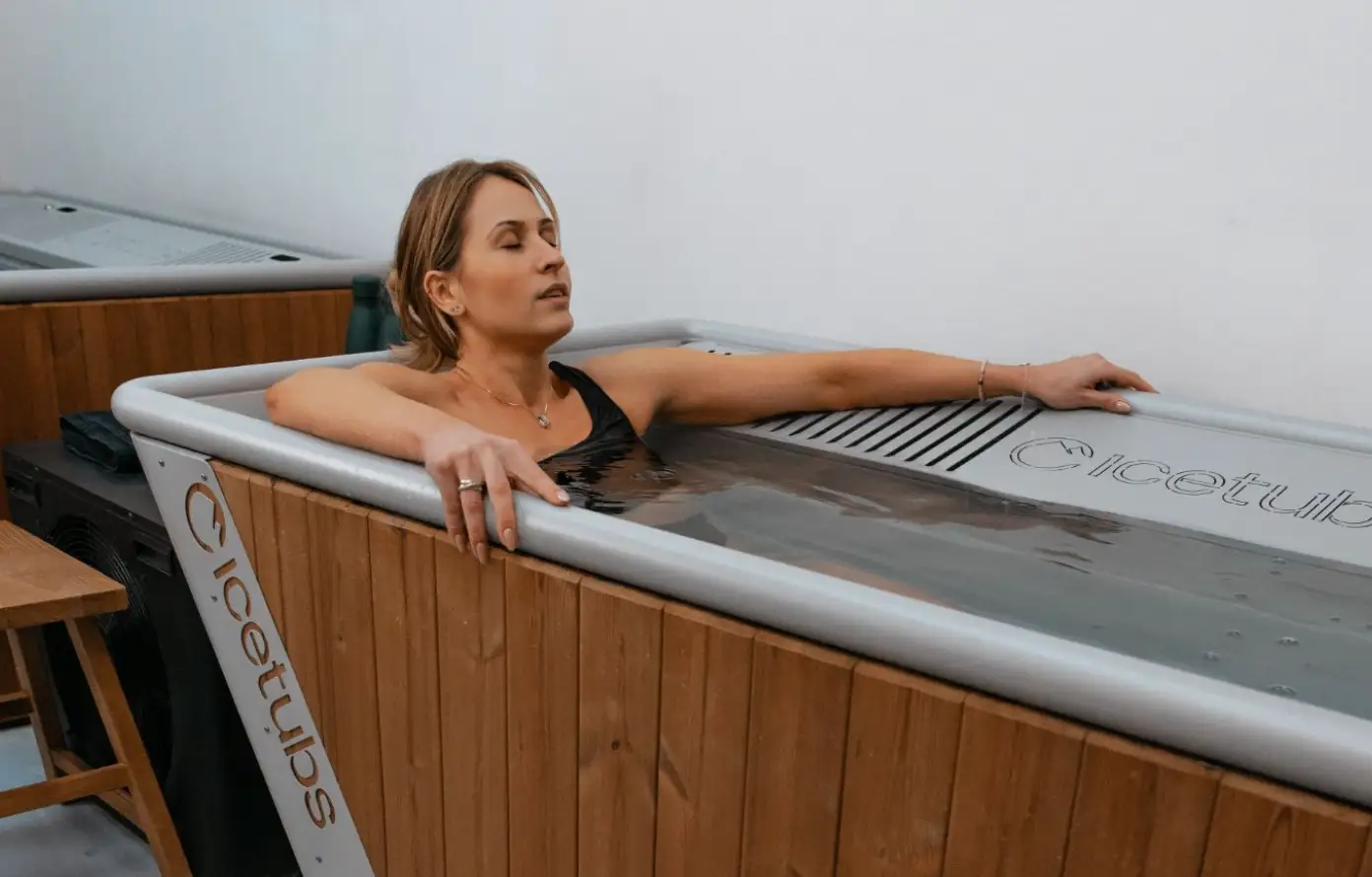
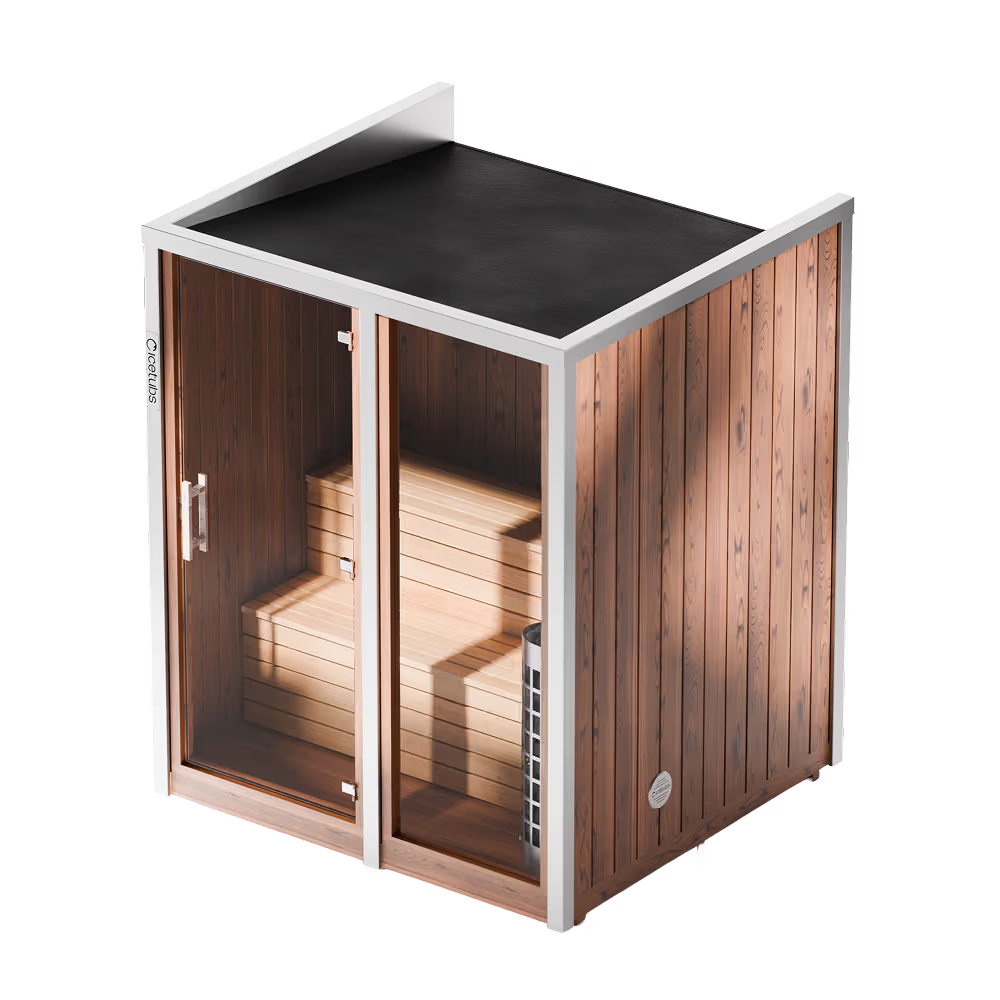
Kontrasttherapie verbindet Wärme und Kälte in einer Routine. Die Sauna sorgt für Wärme, Entspannung und Offenheit. Das Eisbad bietet einen starken Kontrast, Wachheit und einen klaren körperlichen Reset.
Eine grundlegende Kontrastroutine kann aus Sauna, Eisbad, Ruhephase und bei Bedarf einer Wiederholung bestehen.
Das Erlebnis sollte bewusst und nicht wettbewerbsorientiert sein. Es geht nicht darum, den Körper zu überfordern. Es geht darum, achtsam zwischen Wärme, Kälte und Erholung zu wechseln.
Mit Icetubs, Kältetherapie kann Teil eines umfassenderen Wellness-Konzepts werden, in dem Erholung, Wärme, Atmung und tägliche Rituale ineinandergreifen.
Wählen Sie den passenden Zeitpunkt
Es gibt keinen Zeitpunkt, der für jeden perfekt ist.
Ein Kältebad am Morgen kann belebend wirken und helfen, den Fokus für den Tag zu finden. Ein Bad am Abend kann erfrischend sein, doch manche Menschen fühlen sich danach zu wach, wenn sie es kurz vor dem Schlafengehen nehmen.
Wenn Sie besser schlafen möchten, sollten Sie das Kältebad früher am Abend einplanen, damit Ihr Körper danach zur Ruhe kommen kann.
Der beste Zeitpunkt ist der, auf den Ihr Körper positiv reagiert.
Gewöhnen Sie sich schrittweise daran
Eine feste Routine beim Kältebaden entsteht durch Beständigkeit, nicht durch Intensität.
Sie müssen nicht jeden Tag baden. Zwei bis drei Einheiten pro Woche können bereits ausreichen, um eine Routine aufzubauen. Eine 30-Tage-Challenge kann hilfreich sein, sollte aber dennoch genügend Raum für Ruhe und Erholung lassen.
Halten Sie alles bereit. Wählen Sie eine feste Zeit. Beobachten Sie, wie Sie sich fühlen. Passen Sie es bei Bedarf an.
Eisbaden ist am effektivsten, wenn es zu einem festen Rhythmus wird, auf den Sie sich freuen können, statt zu einer Prüfung, die Sie überstehen müssen.