



In this blogpost:
Eisbad zur sportlichen Regeneration: So setzen Sie es effektiv ein
Erfahren Sie, wie Sie Eisbäder für die sportliche Regeneration nutzen – inklusive Timing, Temperatur, Dauer, Muskelkater, Trainingsanpassung und Leistungszielen.
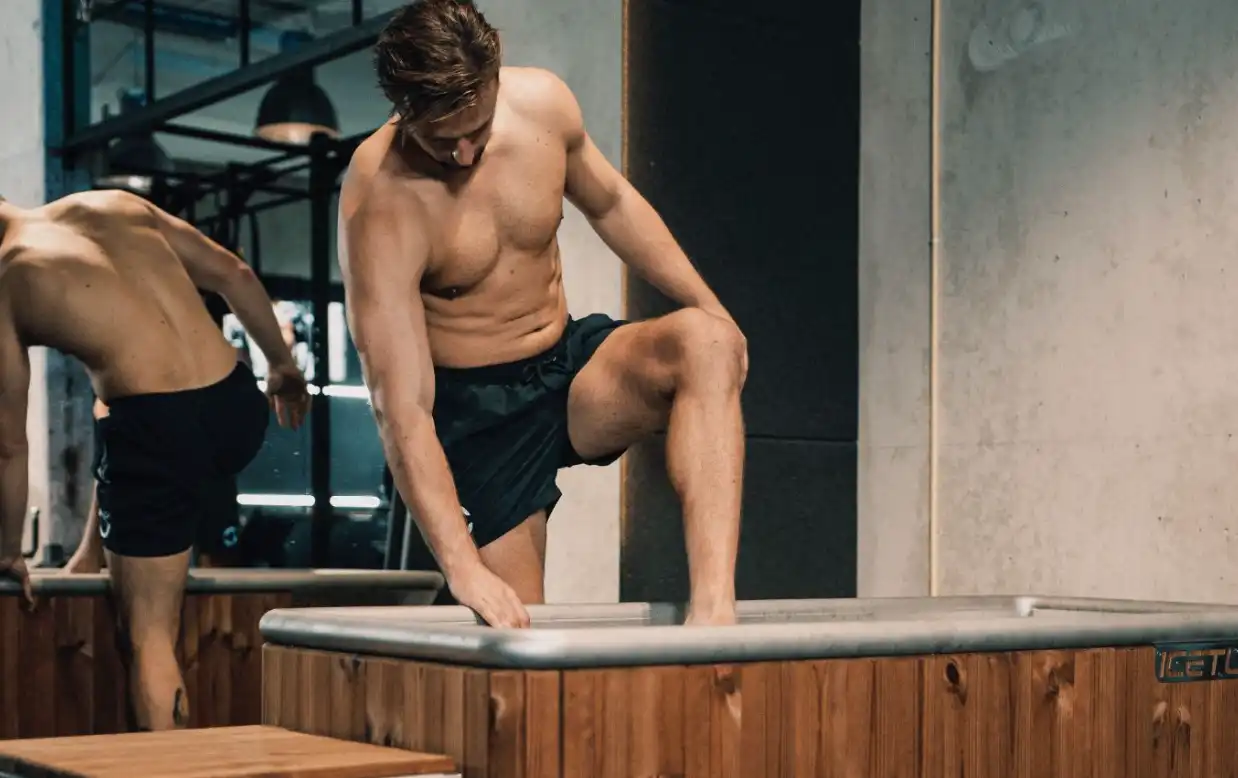
Eisbaden ist für viele Sportler zu einem festen Bestandteil ihrer Regenerationsroutine geworden.
Nach einer harten Trainingseinheit, einem Wettkampf oder einer anstrengenden Woche kann der Schritt ins kalte Wasser wie ein klarer Übergang von der Belastung zur Erholung wirken. Doch effektive Kälteanwendung bedeutet mehr, als einfach nur in das kältestmögliche Wasser zu steigen.
Wann Sie baden, wie lange Sie im Wasser bleiben und wofür Sie trainieren – all das spielt eine wichtige Rolle.
Was passiert bei einem Eisbad?
Kaltes Wasser löst eine unmittelbare physiologische Reaktion aus.
Ihre Blutgefäße ziehen sich zusammen, Ihre Atmung verändert sich und Ihr Nervensystem wird wacher. Wenn Sie das Wasser verlassen und sich wieder aufwärmen, kehrt Ihr Körper allmählich in seinen Normalzustand zurück.
Das ist ein Grund dafür, warum sich Kälteanwendungen so anders anfühlen als andere Regenerationsmethoden.
Für Sportler liegt der Reiz oft weniger im Kältegefühl selbst, sondern vielmehr darin, wie es sich in die gesamte Regenerationsroutine einfügt.
Eisbaden und Muskelkater
Einer der häufigsten Gründe, warum Sportler Kälteanwendungen nutzen, ist Muskelkater nach dem Training.
Nach einer anstrengenden Trainingseinheit fühlen sich die Muskeln oft schwer und unangenehm an, besonders wenn das nächste Training schon bald bevorsteht.
Kälteexposition kann dazu beitragen, das Schmerzempfinden zu verringern, wodurch Sie sich schneller wieder bereit für die nächste Belastung fühlen.
Dieser Unterschied ist wichtig.
Weniger Muskelkater zu spüren bedeutet nicht zwangsläufig, dass Ihre Muskeln bereits vollständig regeneriert sind.
Kältetherapie sollte Ihre Regenerationsstrategie ergänzen und nicht Schlaf, Ernährung, Flüssigkeitszufuhr, Mobilität und eine angemessene Trainingsbelastung ersetzen.
Wann ist der richtige Zeitpunkt für ein Eisbad?
Der Zeitpunkt hängt stark von Ihrem Trainingsziel ab.
Wenn Sie gerade einen Wettkampf oder eine besonders anspruchsvolle Ausdauereinheit absolviert haben, kann sich eine Kälteanwendung gut in Ihre Regenerationsroutine einfügen.
Wenn Ihr Fokus jedoch auf dem Muskel- und Kraftaufbau liegt, ist eine sofortige Kälteanwendung nach jedem Krafttraining möglicherweise nicht der beste Ansatz.
Dein Körper benötigt einen Teil der entzündungsfördernden und zellulären Signalprozesse, die mit dem Training einhergehen, um sich anzupassen.
Das bedeutet, dass es nicht den einen „perfekten“ Zeitpunkt für ein Eisbad gibt.
Überlege dir, was du von der jeweiligen Einheit erwartest, anstatt für jedes Training starr derselben Erholungsregel zu folgen.
Welche Temperatur ist die richtige?
Es gibt keine universelle Temperatur, die für jeden Athleten gleichermaßen ideal ist.
Ein kälteres Bad erzeugt zwar einen stärkeren thermischen Reiz, doch kälter ist nicht automatisch besser.
Deine Erfahrung, Körpergröße, Trainingsbelastung, Umgebung und deine individuelle Reaktion beeinflussen, wie gut du Kälte verträgst.
Ein kontrolliertes System macht es einfacher, eine konstante Temperatur beizubehalten, anstatt jedes Mal unvorhersehbare Mengen an Eis hinzuzufügen.
Icetubs ermöglicht es dir, die Wassertemperatur präzise einzustellen und zu halten, wodurch es leichter wird, eine beständige Erholungsroutine in deinen Trainingsplan zu integrieren.
Wie lange sollten Sie im Wasser bleiben?
Auch die Dauer spielt eine Rolle.
Eine längere Sitzung ist nicht automatisch effektiver.
Das Ziel ist eine gut verträgliche Belastung, anstatt die Erholung in eine weitere Ausdauerprüfung zu verwandeln.
Wenn Sie neu in der Kältetherapie sind, können kürzere Sitzungen Ihnen helfen, die Reaktion Ihres Körpers besser zu verstehen. Sobald Sie mit der Erfahrung vertrauter sind, können Sie eine Routine entwickeln, die zu Ihrer persönlichen Belastbarkeit und Ihren Zielen passt.
Eisbad oder aktive Erholung?
Kälteanwendungen und aktive Erholung verfolgen unterschiedliche Zwecke.
Spazierengehen, Radfahren bei geringer Intensität, Mobilitätstraining und andere sanfte Aktivitäten halten Sie in Bewegung, während sich Ihr Körper erholen kann.
Ein Eisbad bietet einen passiven thermischen Reiz.
Sie müssen sich nicht zwangsläufig für eine der beiden Methoden entscheiden.
Eine leichte Mobilitätseinheit gefolgt von einem Eisbad kann beispielsweise Teil einer umfassenderen Regenerationsroutine werden.
Wichtig ist, dass Sie wissen, welchen Beitrag die jeweilige Methode leistet.
Regeneration hängt von Ihrer Sportart ab
Kraftsportler, Marathonläufer, Fußballer und Freizeitsportler nutzen Kälteanwendungen möglicherweise auf unterschiedliche Weise.
Wenn Sie mehrmals täglich trainieren, kann es besonders wertvoll sein, das subjektive Muskelkatergefühl zwischen den Einheiten zu reduzieren.
Wenn Ihr Fokus primär auf Hypertrophie liegt, sollten Sie bei der Kälteanwendung unmittelbar nach dem Training selektiver vorgehen.
Wenn Sie an Ausdauerwettkämpfen teilnehmen, kann Kälte besonders bei anspruchsvollen Trainingseinheiten und Wettkämpfen nützlich sein.
Ihr Trainingsziel sollte den Ausschlag für Ihre Routine geben.
Entwickeln Sie eine Regenerationsstrategie, nicht nur eine Kältegewohnheit
Eisbaden ist am effektivsten, wenn es einen gezielten Zweck erfüllt.
Nutzen Sie es, weil es einem bestimmten Erholungsbedarf entspricht, nicht nur, weil die Temperatur beeindruckend ist.
Achten Sie darauf, wie Sie sich vor und nach den Einheiten fühlen. Betrachten Sie Ihren Trainingsplan. Überlegen Sie, wann Sie wieder Leistung erbringen müssen.
Die beste Erholungsroutine ist diejenige, die Ihr eigentliches Training unterstützt, anstatt mit ihm zu konkurrieren.
Kälteanwendungen können für Sportler ein nützliches Hilfsmittel sein, sind aber nur ein Teil des Gesamtbildes.