



In this blogpost:
Eisbaden und Herzgesundheit: Was Sie vorab beachten sollten
Erfahren Sie, wie sich Eisbaden auf das Herz auswirkt, wer vorsichtig sein sollte und warum ein langsamer Einstieg, moderate Kälte und ärztlicher Rat vor Beginn wichtig sein können.
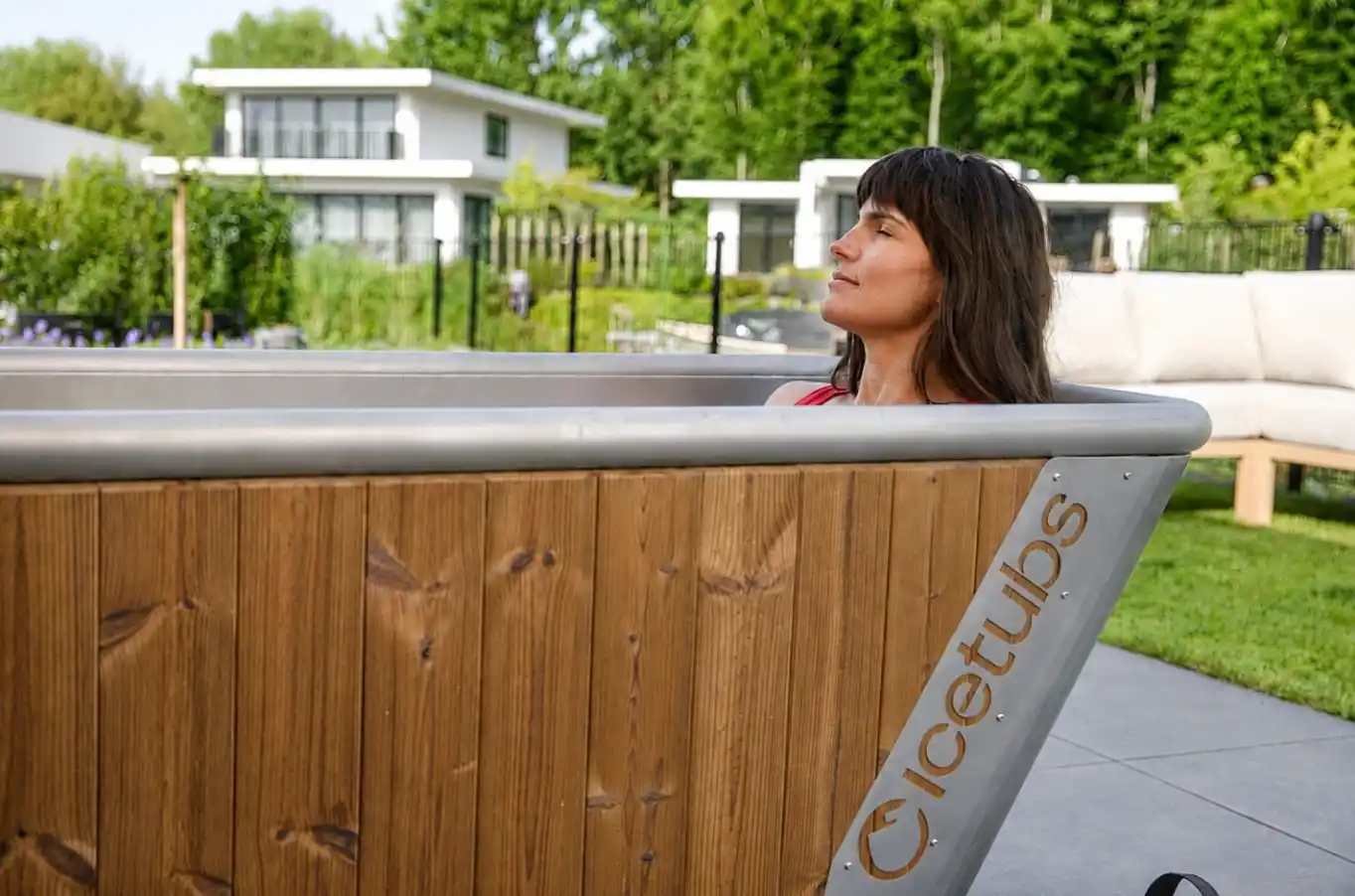
Kaltes Wasser fordert das Herz heraus.
In dem Moment, in dem der Körper in kaltes Wasser eintaucht, wird das Nervensystem alarmiert. Die Blutgefäße verengen sich. Die Atmung verändert sich. Herzfrequenz und Blutdruck können ansteigen.
Für manche Menschen fühlt sich diese Reaktion belebend und gut bewältigbar an. Für andere, insbesondere für Menschen mit Herz- oder Blutdruckproblemen, kann sie jedoch Risiken bergen.
Deshalb lautet die Frage nicht einfach, ob Eisbaden sicher ist.
Die bessere Frage ist: sicher für wen und unter welchen Bedingungen?
Das Herz reagiert schnell auf Kälte
Kaltes Wasser stellt eine plötzliche körperliche Anforderung dar.
Der Körper versucht, seine Kerntemperatur zu schützen. Die Durchblutung verlagert sich. Das Herz muss härter arbeiten. Die ersten Momente können sich intensiv anfühlen, da die Kälteschockreaktion zu Schnappatmung, beschleunigter Atmung und kardiovaskulärer Belastung führen kann.
Deshalb ist ein langsamer Einstieg so wichtig.
Ein dramatischer Sprung ins kalte Wasser mag beeindruckend wirken, doch ein kontrollierter Einstieg ist sicherer. Geben Sie Ihrem Körper Zeit, sich anzupassen. Lassen Sie den Kopf zunächst über Wasser. Beruhigen Sie Ihre Atmung, bevor Sie darüber nachdenken, wie lange Sie bleiben möchten.
Fitness schützt nicht vor allen Risiken
Sportlich oder fit zu sein bedeutet nicht, dass das Herz immun gegen Kältestress ist.
Auch wer regelmäßig trainiert, kann stark auf kaltes Wasser reagieren. Stress, Schlafmangel, Dehydrierung, Alkoholkonsum, Krankheit und Erschöpfung können die Reaktion des Körpers an einem bestimmten Tag beeinflussen.
Eisbaden sollte als Übung betrachtet werden, nicht als Leistungssport.
Wenn sich eine Einheit ungewöhnlich schwer anfühlt, verkürzen Sie sie. Wenn Sie die Kontrolle über Ihre Atmung verlieren, verlassen Sie das Wasser. Bei Beschwerden im Brustbereich brechen Sie sofort ab und suchen Sie ärztlichen Rat.
Bei Herzerkrankungen ist ärztlicher Rat erforderlich
Menschen mit bekannten Herzerkrankungen sollten das Eisbaden nicht auf die leichte Schulter nehmen.
Dies betrifft Personen mit Herzrhythmusstörungen, früheren Herzinfarkten, Brustschmerzen, Herzerkrankungen oder anderen kardiovaskulären Problemen. Dasselbe gilt für Menschen mit unkontrolliertem Bluthochdruck.
Wenn Sie an einer Herzerkrankung, einem unregelmäßigen Herzschlag, Brustschmerzen oder Bluthochdruck leiden, sollten Sie vor einer Kälteanwendung ärztlichen Rat einholen.
Kälte ist nicht nur ein Gefühl auf der Haut. Sie wirkt sich auf den gesamten Organismus aus.
Halten Sie die Temperatur im angenehmen Bereich
Sehr kaltes Wasser löst eine stärkere Reaktion aus.
Für Anfänger ist moderate Kälte meist der bessere Einstieg. Sie benötigen nicht das kälteste Wasser, um eine sinnvolle Routine aufzubauen.
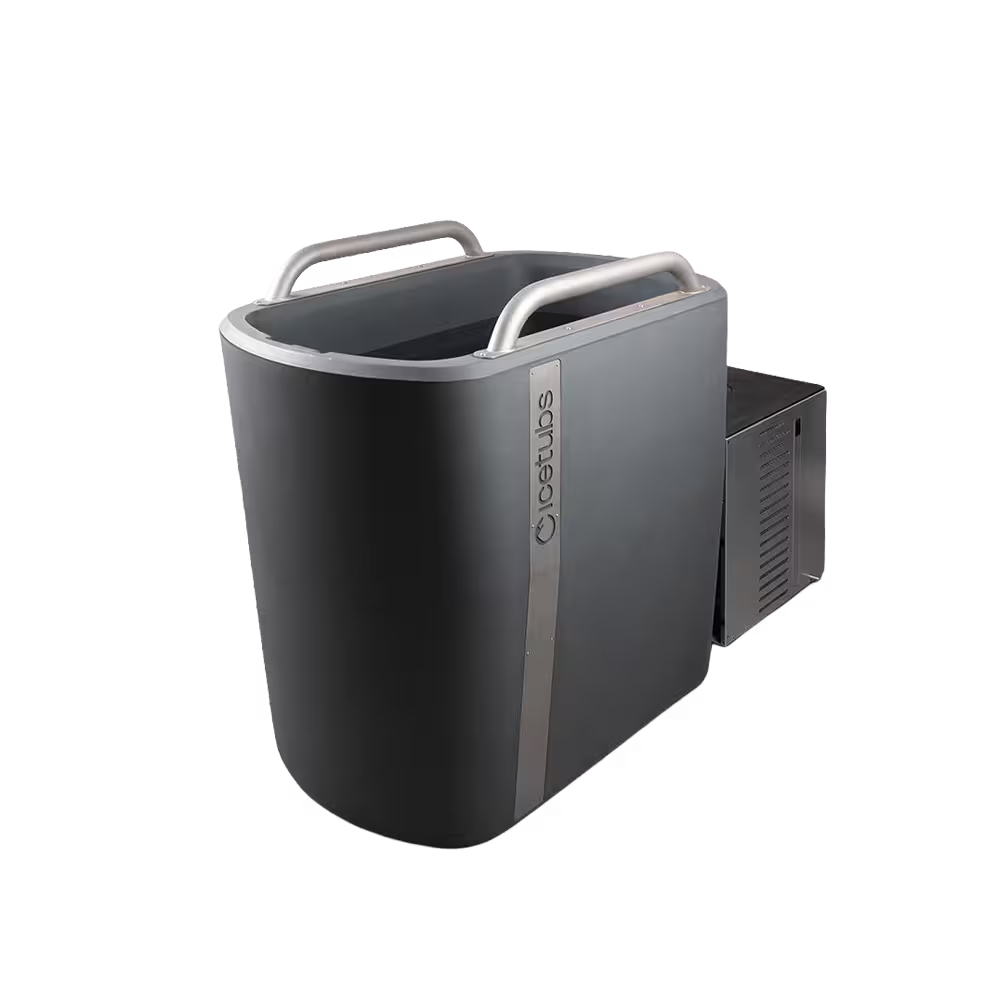
Ein System mit Temperaturregelung nimmt Ihnen das Rätselraten ab. Das IceBath lässt sich beispielsweise über die App oder das Display einstellen und bietet eine Kühlung bis auf 3°C sowie eine optionale Erwärmung auf bis zu 38°C.
Dieser Bereich bedeutet nicht, dass jeder sofort mit sehr kaltem Wasser beginnen sollte. Er ermöglicht es, die Anwendung gezielter zu steuern, was besonders wichtig ist, wenn Sicherheit und Fortschritt im Vordergrund stehen.
Vermeiden Sie riskante Situationen
In bestimmten Situationen ist das Eisbaden mit höheren Risiken verbunden.
Vermeiden Sie das Eisbaden nach Alkoholkonsum, bei Krankheit, Dehydrierung oder als Anfänger, wenn Sie alleine sind. Kombinieren Sie intensives Atemtraining nicht mit dem Aufenthalt im Wasser. Bleiben Sie nicht aus Ego, Gruppenzwang oder wegen eines Timers länger im Wasser als gut für Sie ist.
Das Herz reagiert am besten, wenn die gesamte Routine ruhig abläuft.
Bereiten Sie alles vor. Gehen Sie langsam hinein. Halten Sie die Sitzung kurz. Wärmen Sie sich schrittweise wieder auf.
Achten Sie auf Warnsignale
Brechen Sie sofort ab, wenn Sie Brustschmerzen, Schwindel, Ohnmachtsgefühle, Verwirrtheit, starke Atemnot, Herzrhythmusstörungen oder Koordinationsverlust bemerken.
Über solche Anzeichen sollte man sich nicht hinwegsetzen.
Sicheres Training bedeutet, zu wissen, wann man aufhören muss. Der Körper kann sich mit der Zeit anpassen, aber diese Anpassung sollte niemals erzwungen werden.
Respekt stärkt die Praxis
Eisbaden und Herzgesundheit erfordern ein gesundes Maß.
Kälte kann ein wertvoller Teil Ihrer Wellness-Routine sein, sollte jedoch nicht für jeden als harmlos betrachtet werden. Die kardiovaskuläre Reaktion ist real, und Ihre persönliche gesundheitliche Vorgeschichte spielt eine wichtige Rolle.
Wenn Sie sich bezüglich Ihrer Herzgesundheit unsicher sind, halten Sie bitte Rücksprache mit einem Arzt.
Ein sicheres Eisbad zeichnet sich nicht durch extreme Intensität aus. Es ist das Bad, das Sie kontrolliert beginnen, bewältigen und beenden können.
Für weitere Sicherheitstipps für Einsteiger nutzen Sie bitte Eisbaden: Der vollständige Leitfaden zu Risiken und bewährten Methoden als Ihre nächste Referenz.