



In this blogpost:
Kälteanpassung erklärt: Wie Ihr Körper lernt, mit Kälte umzugehen
Erfahren Sie, wie sich Ihr Körper bei wiederholter Kälteexposition anpasst – von Atmung und Kälteschock bis hin zu Thermoregulation, Durchblutung, braunem Fettgewebe und Kältetoleranz.
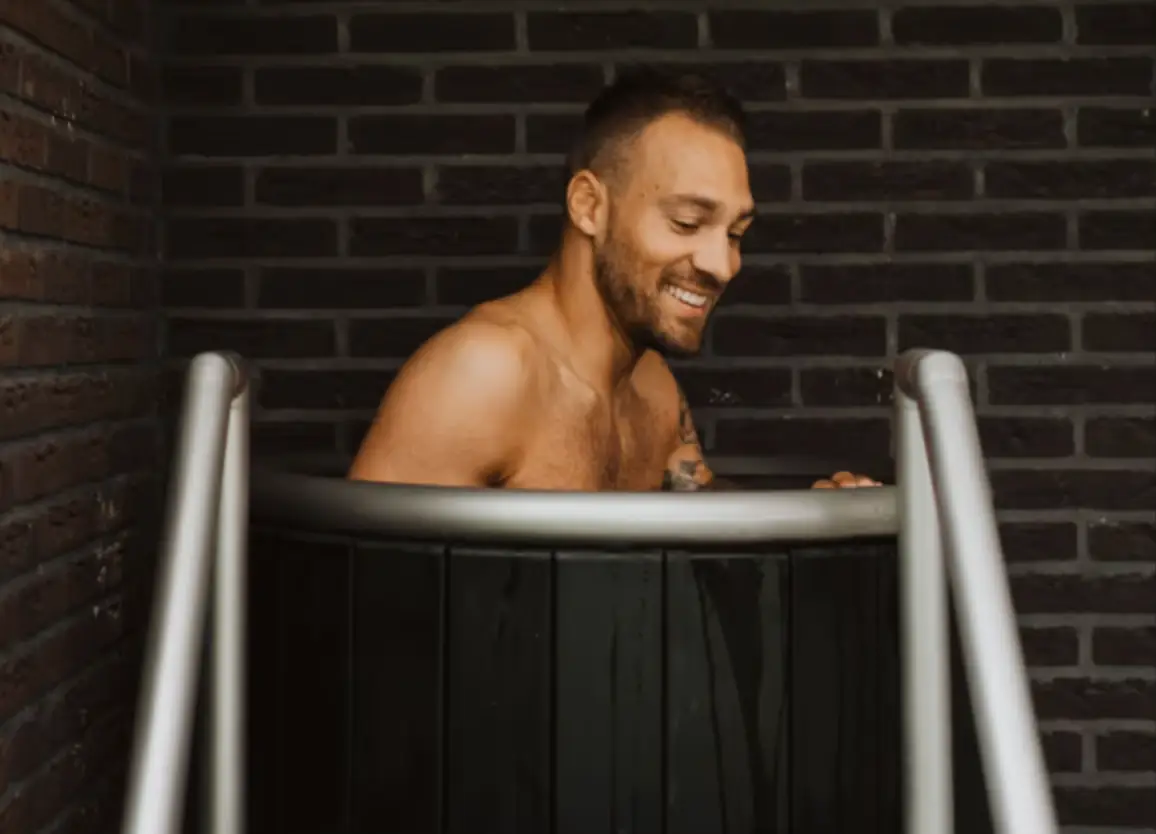
Ihr erstes Eisbad kann sich völlig anders anfühlen als Ihr zwanzigstes.
Der erste Schock kann intensiv sein. Ihre Atmung beschleunigt sich, Ihre Muskeln spannen sich an und Ihr Körper möchte am liebsten sofort wieder aus dem Wasser.
Doch mit wiederholter Anwendung verändert sich etwas.
Das Wasser mag sich immer noch kalt anfühlen, aber Ihre Reaktion darauf wird kontrollierbarer.
Dieser Prozess wird als Kälteanpassung bezeichnet und ist einer der faszinierendsten Aspekte bei regelmäßigem Kältetraining.
Ihre erste Reaktion dient dem Schutz
Wenn Sie in kaltes Wasser eintauchen, reagiert Ihr Körper unmittelbar.
Kälterezeptoren in der Haut senden Signale an das Nervensystem. Die Blutgefäße ziehen sich zusammen, die Atmung beschleunigt sich und die Aktivität des sympathischen Nervensystems nimmt zu.
Dies ist Teil der Kälteschockreaktion.
Für Neulinge in der Kältetherapie können diese ersten Momente überwältigend wirken.
Durch wiederholte, kontrollierte Anwendung kann diese anfängliche Reaktion jedoch abgemildert werden.
Ihre Atmung kann ruhiger werden
Die Atmung stellt zu Beginn oft eine der größten Herausforderungen dar.
Die plötzliche Kälte kann ein unwillkürliches Schnappen nach Luft und eine beschleunigte Atmung auslösen.
Zu lernen, wie man die Kontrolle zurückgewinnt, ist ein wichtiger Schritt, um sich im Wasser wohler zu fühlen.
Mit der Zeit lässt sich diese erste Reaktion durch regelmäßige Anwendung besser bewältigen.
Das bedeutet nicht, dass die Kälte keine Wirkung mehr auf Sie hat.
Ihr Körper hat sich lediglich an den Reiz gewöhnt.
Ihr Körper passt sich an die Kälte an
Kälteanpassung ist nicht nur eine psychologische Angelegenheit.
Ihr Körper kann seine Wärmeregulierung verändern.
Durchblutung, Thermoregulation, Wärmeproduktion und Stoffwechselreaktionen können sich bei wiederholter Exposition anpassen.
Auch braunes Fettgewebe kann aktiver werden, was Teil der körpereigenen Fähigkeit ist, Wärme ohne Zittern zu erzeugen.
Diese Veränderungen erklären, warum jemand, der regelmäßig Kälte ausgesetzt ist, dieselbe Temperatur einige Wochen später anders wahrnimmt.
Anpassung bedeutet keine Immunität
Das ist wichtig.
Sich an die Kälte zu gewöhnen, macht Sie nicht immun gegen ihre Auswirkungen.
Auch wenn der anfängliche Schock leichter zu ertragen ist, kann ausreichend kaltes Wasser Ihren Körper dennoch stark belasten.
Kälteanpassung sollte daher eine kontrollierte Exposition lediglich handhabbarer machen, anstatt Sie dazu zu verleiten, immer extremere Temperaturen zu suchen.
Nur weil Sie mehr Erfahrung haben, sind Sie noch lange nicht unverwundbar.
Sie müssen nicht immer kälter gehen
Es kann verlockend sein, die Anpassung als eine Art Herausforderung zu betrachten.
Wenn eine Temperatur angenehm wird, haben Sie vielleicht das Gefühl, dass der nächste Schritt kälter sein muss.
Nicht unbedingt.
Das Ziel der Anpassung ist es, sich bei einem bewältigbaren Reiz wohler zu fühlen.
Es ist kein Wettbewerb, bei dem es darum geht, wie niedrig man die Temperatur einstellen kann.
Icetubs bietet Ihnen eine präzise Temperatursteuerung, mit der Sie Ihre Kälteexposition konstant halten können, während Sie lernen, wie Ihr Körper reagiert.
Beständigkeit schlägt Extreme
Anpassung entsteht durch wiederholte Reize.
Das bedeutet nicht zwangsläufig, dass Sie täglich eintauchen oder extrem kaltes Wasser verwenden müssen.
Eine nachhaltige Routine bietet Ihrem Körper wiederholt die Möglichkeit, sich dem Reiz auszusetzen, und lässt Ihnen gleichzeitig genügend Zeit zur Erholung.
Wenn Sie Temperatur, Dauer und Häufigkeit einigermaßen konstant halten, können Sie zudem leichter feststellen, wie sich Ihre Reaktion verändert.
Wie lange dauert die Kälteanpassung?
Es gibt keinen allgemeingültigen Zeitplan.
Einige Veränderungen bei der Kälteschockreaktion können bei wiederholter Anwendung relativ schnell eintreten. Andere Anpassungen benötigen möglicherweise mehr Zeit.
Ihre bisherigen Erfahrungen mit Kälte, Ihre Körperzusammensetzung, Fitness, Umgebung, Temperatur und die Häufigkeit der Anwendung können den Prozess beeinflussen.
Deshalb ist es wenig sinnvoll, Ihre Fortschritte mit denen anderer zu vergleichen.
Ihr Körper hat seinen ganz eigenen Ausgangspunkt.
Das eigentliche Ziel der Anpassung
Bei der Kälteanpassung geht es nicht darum, zum Eismenschen zu werden, der das kälteste Wasser aushält.
Es geht darum, wie Ihr Körper auf einen kontrollierten thermischen Reiz reagiert.
Die ersten Einheiten können sich intensiv anfühlen.
Mit etwas Übung wird Ihre Atmung ruhiger, der anfängliche Schock besser kontrollierbar und die Erfahrung insgesamt vorhersehbarer.
Das ist der wahre Wert der Anpassung: Sie beseitigen nicht den Reiz, sondern lernen, damit umzugehen.
Um die Kälteanpassung in den Kontext der allgemeinen thermischen Reaktion des Körpers zu setzen, lesen Sie Die Wissenschaft der Kälteexposition: Wie sie auf Ihren Körper wirkt