



In this blogpost:
Warming Up After a Cold Plunge: Let Your Body Take Over
Learn how to warm up after a cold plunge with practical guidance on drying, layering, movement, room temperature, and avoiding overly rapid rewarming.
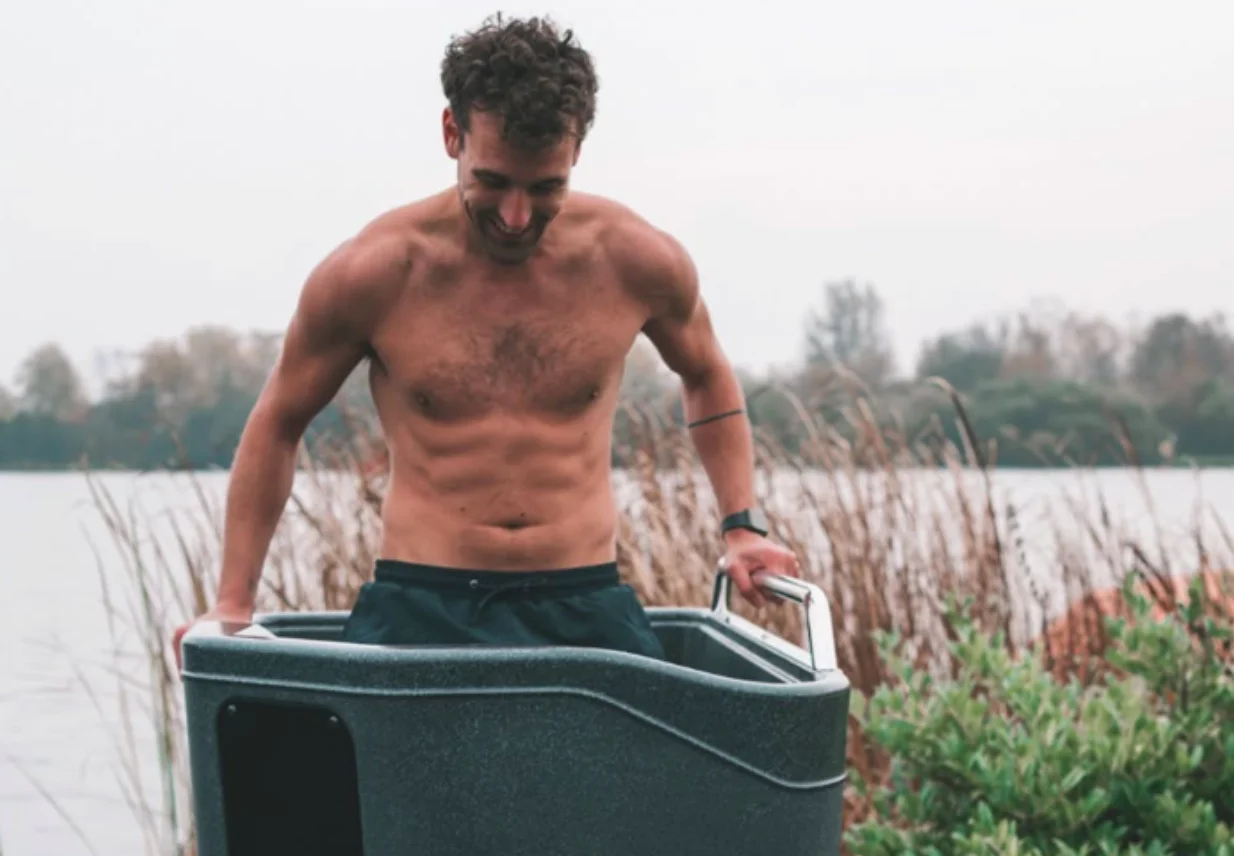
Getting out of a cold plunge is only half the experience.
Your body still needs to return to a comfortable temperature.
The instinct may be to rush straight into the hottest shower you can tolerate.
A more measured approach can be simpler.
Start With the Basics
Get dry first.
Remove wet swimwear or clothing and put on warm, dry layers.
A towel, robe, sweatshirt, socks, or comfortable clothing can make the transition much easier.
You do not need to complicate the first few minutes.
The goal is simply to stop losing additional heat.
Let Movement Help
Light movement can help you feel warmer.
Walking around the room, getting dressed, or moving through your normal post-plunge routine may be enough.
You do not need an intense workout.
Gentle activity keeps the transition active without turning it into another demanding session.
Give Yourself Time
The sensation of cold may continue after you leave the water.
That does not necessarily mean something is wrong.
Give your body time to settle.
A comfortable indoor environment and dry clothing are often enough.
If you feel excessively cold or unwell, stop treating the experience as a challenge and prioritise warming up and getting appropriate help if needed.
Avoid Turning Rewarming Into Another Challenge
There is no need to prove how quickly you can recover.
A very hot shower immediately after every plunge is not a requirement.
The better approach is to warm gradually and comfortably.
You can also have a warm drink if that is part of your normal routine.
The process should feel calm rather than rushed.
Make the Transition Part of the Ritual
Keep your towel and warm clothes close to the plunge.
If you have an outdoor setup, consider a nearby bench or sheltered area where you can dry and dress comfortably.
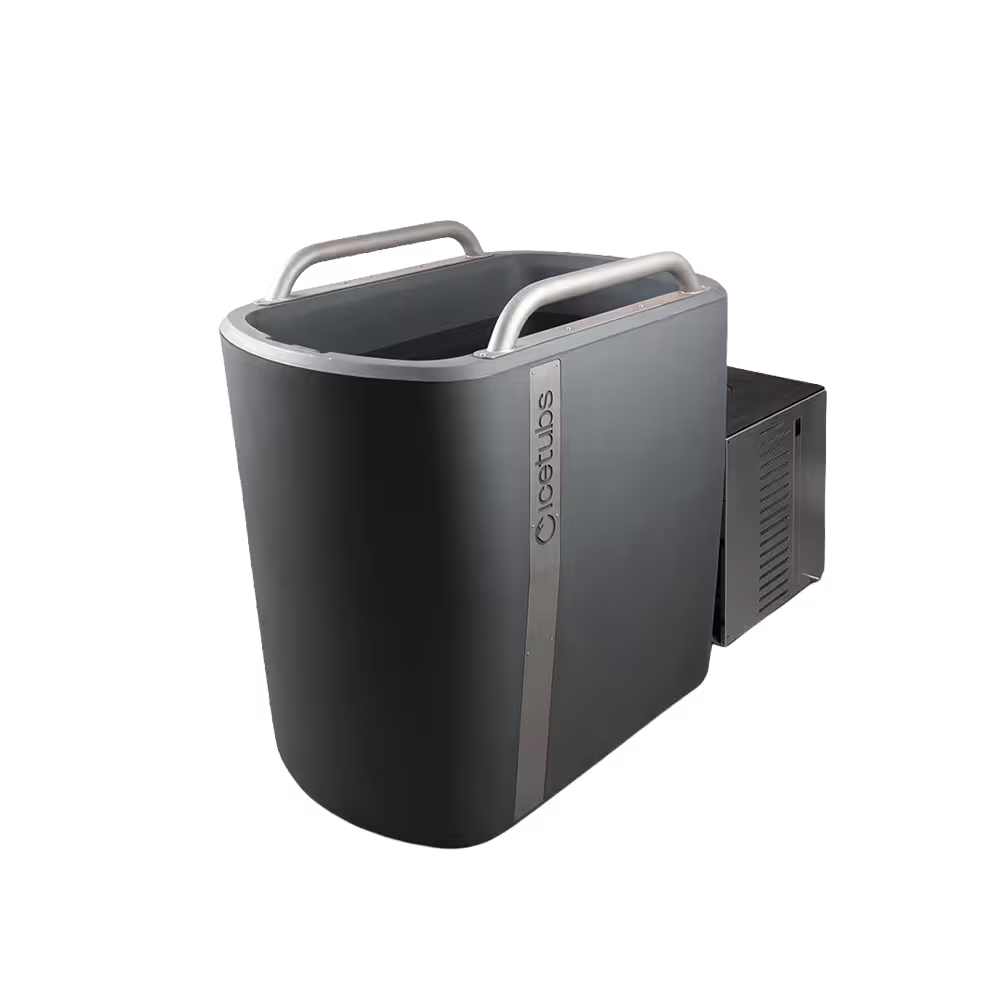
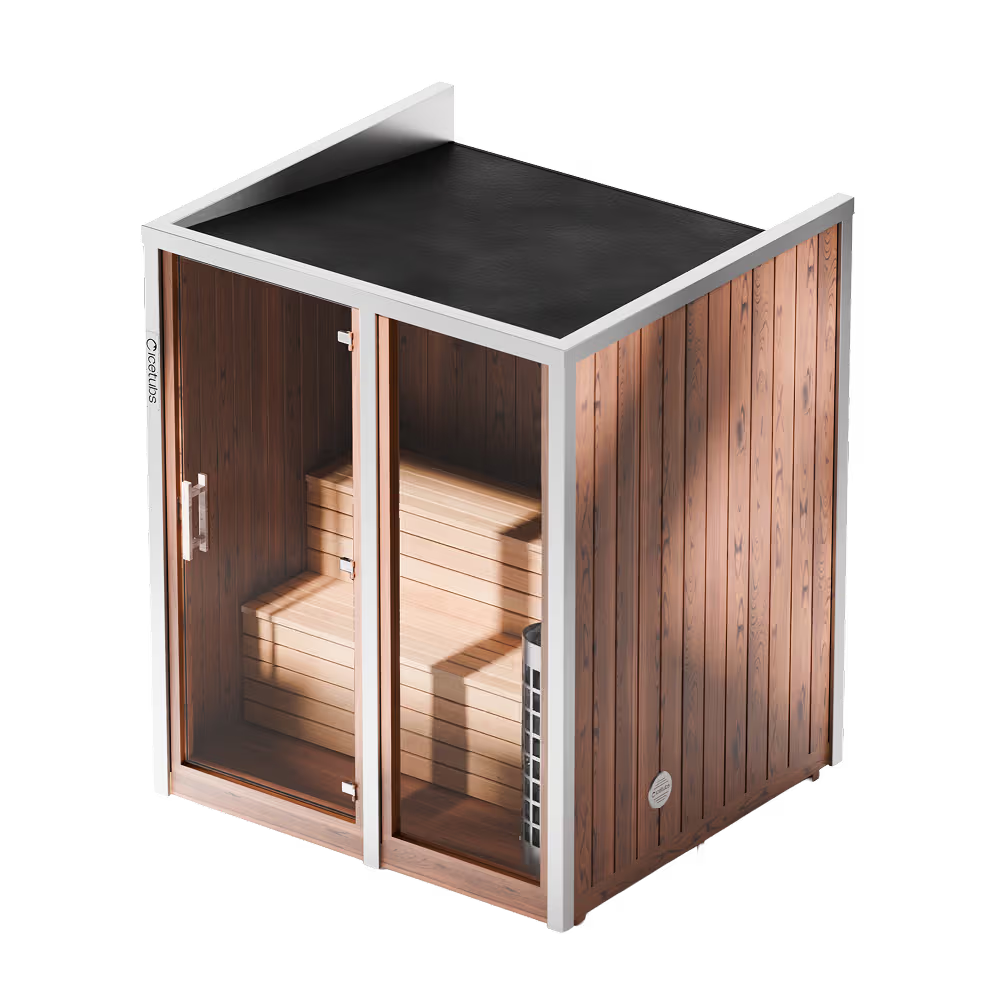
With an Icetubs setup, you can build this transition into the surrounding space so that the entire experience feels deliberate rather than simply ending when you step out.
Pay Attention to Your Response
Everyone experiences cold differently.
If you remain uncomfortable for an unusually long time, feel dizzy, confused, excessively fatigued, or otherwise unwell, stop the routine and seek appropriate assistance.
For a broader look at how to recognise and manage these risks, Cold Plunge Safety: Complete Guide to Risks and Best Practices is worth reading.
Cold exposure should never become a test of how much discomfort you can ignore.
A Better Way to Finish
Dry off.
Layer up.
Move gently.
Give yourself time.
That is usually enough.
The goal is not to rush from one extreme temperature to another.
It is to finish the plunge feeling in control and ready to continue your day.
For more guidance on building a cold-plunge routine around progression, consistency, and recovery, continue with Building a Sustainable Cold Plunge Practice That Lasts.