



In this blogpost:
How to Winterize an Outdoor Cold Plunge Before Freezing Weather
Learn how to prepare an outdoor cold plunge for freezing weather, including water, plumbing, equipment, drainage, covers, and when to follow guidance.
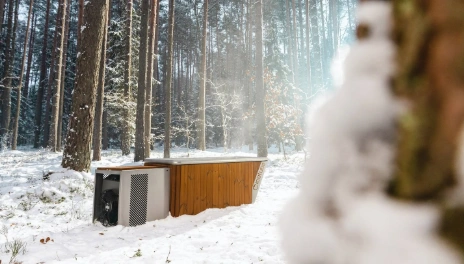
An outdoor cold plunge can stay outside through winter, but freezing weather changes how you need to manage it.
The main concern is not simply how cold the water becomes.
It is what freezing temperatures can do to water trapped inside plumbing, pumps, cooling equipment, and other components.
Preparing before the first prolonged freeze can help protect your setup.
Know Your Equipment First
Start with the manufacturer's instructions.
Different cold plunge systems have different operating limits and winterisation procedures.
Some are designed to operate in cold outdoor conditions, while others may require additional protection or draining when temperatures fall below freezing.
Do not assume that every system should be treated the same way.
Watch the Forecast
You do not need to winterize simply because temperatures occasionally dip.
The bigger concern is prolonged freezing weather.
Pay attention to overnight temperatures and the forecast for your area.
If freezing conditions are expected for several days, prepare before the water and surrounding components have an opportunity to freeze.
Check the Water System
Water trapped inside pipes or equipment can expand when it freezes.
That can put pressure on components and potentially cause damage.
If your manufacturer's winterisation procedure requires draining or flushing parts of the system, follow those instructions carefully. This is also covered in Cold Plunge Electrical and Plumbing Needs at Home.
Do not improvise by disconnecting components unless the manufacturer specifically recommends doing so.
Consider the Chiller
The cooling system is one of the most important parts to protect.
If your plunge is designed to operate during winter, follow its normal cold-weather operating instructions.
If it needs to be shut down, use the manufacturer's procedure for preparing the chiller and connected plumbing for freezing conditions.
The correct approach depends on the equipment.
Keep Drainage Clear
Winter rain and snow can create additional water around the plunge.
Make sure drainage routes are clear before bad weather arrives.
Standing water can freeze and create slippery surfaces around the tub.
Blocked drains can also cause water to collect where you do not want it.
Protect the Tub
A cover helps keep snow, leaves, rain, and debris out of the plunge.
It also reduces the amount of maintenance required when the system is not being used.
If your setup remains operational, keep the cover clean and check it after heavy weather.
If the plunge is being taken out of service, follow the manufacturer's guidance for covering and protecting the equipment.
Don't Forget the Surrounding Area
Winterisation is not only about the tub.
Check the path leading to it.
Look for slippery surfaces, exposed cables, standing water, and anything that could become difficult to access after rain or frost.
If you plan to continue using the plunge during winter, make sure the area remains safe and convenient.
What About Icetubs?
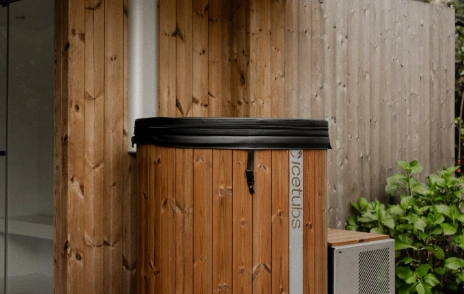
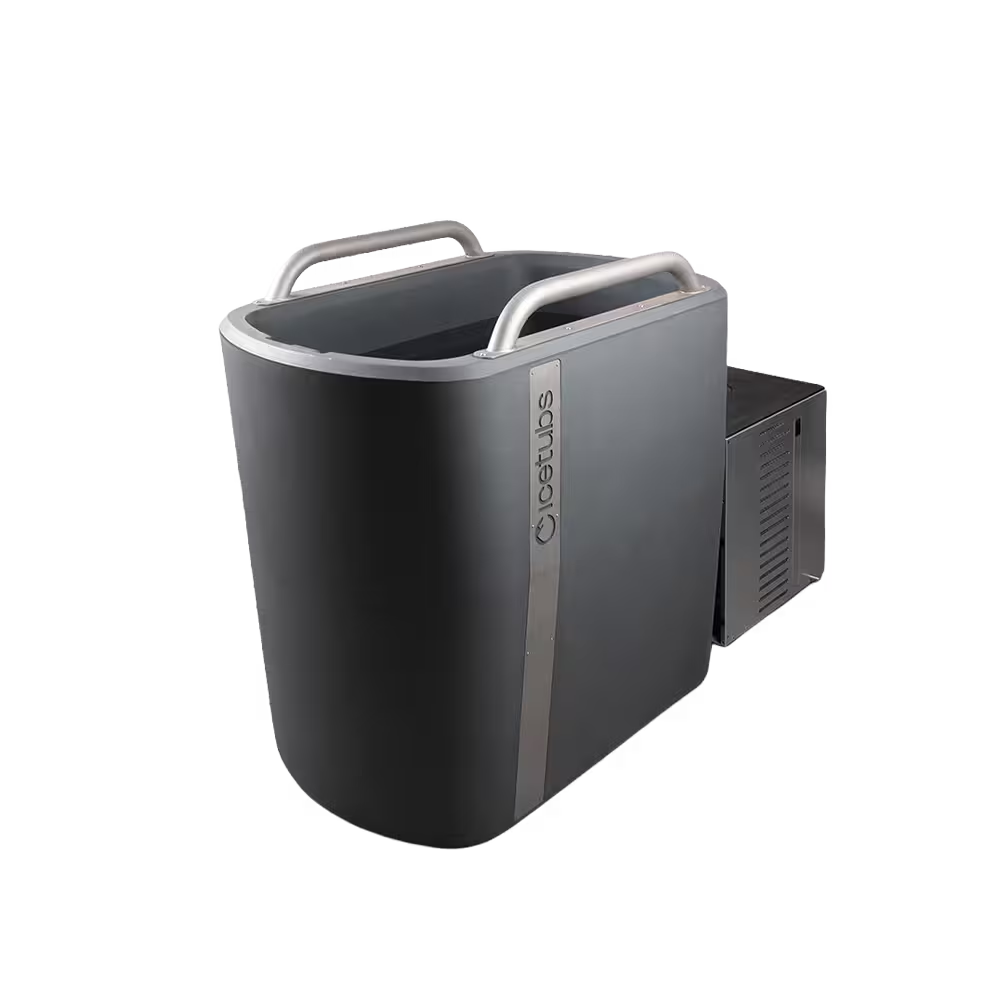
If you use the Icetubs Engine outdoors, follow the specific operating and maintenance guidance for your model and climate.
The key point is that winter operation and winter storage are not necessarily the same thing.
If your local temperatures are expected to reach conditions outside the equipment's recommended range, prepare the system accordingly rather than relying on the cold plunge's normal cooling function.
Don't Wait for the First Freeze
The worst time to think about winterisation is after ice has already formed.
Prepare ahead of the forecast.
Check the equipment.
Review the manufacturer's instructions.
Clear drainage.
Protect exposed components.
Then decide whether your setup should continue operating or be taken out of service.
For the broader principles behind choosing and planning an outdoor cold plunge, continue with Outdoor Cold Plunge: How to Plan the Right Setup