



In this blogpost:
How to Track Cold Plunge Progress Without Overthinking It
Learn how to track cold plunge progress using temperature, duration, consistency, recovery, and personal notes without turning your routine into a numbers game.
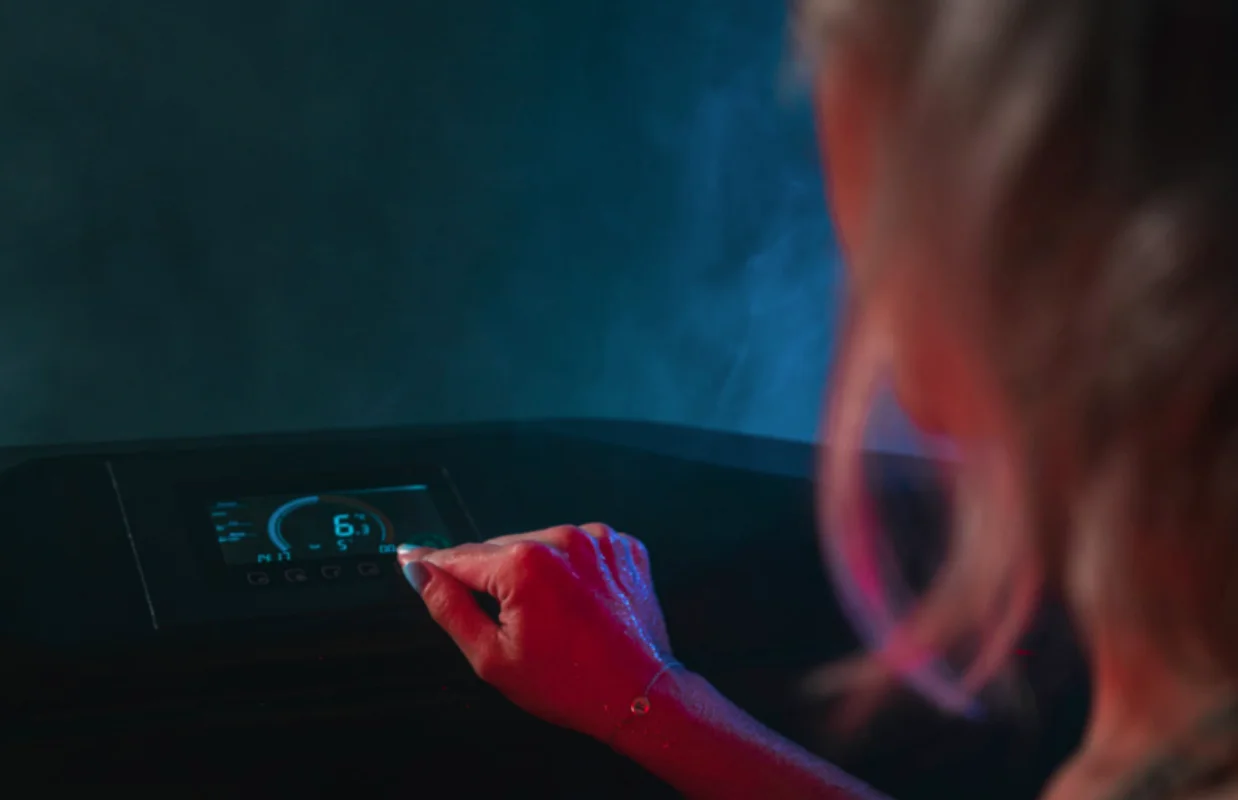
Cold plunge progress is easy to reduce to one number.
How cold was the water?
How long did you stay in?
But those numbers only tell part of the story.
Progress can also mean better control, greater consistency, easier preparation, or simply understanding which routine works best for you.
Track the Basics
You do not need a complicated spreadsheet.
Start with four things:
- Water temperature
- Session duration
- Frequency
- How you felt before and after
If you're still dialing in a starting point, Ideal Cold Plunge Temperature for Beginners is a useful reference before you begin logging.
If you train regularly, add your workout and recovery notes.
Over time, these simple observations can reveal useful patterns.
You may find that a moderate temperature works better than an extreme one, or that shorter sessions leave you feeling better after training.
Pay Attention to Your Response
Cold tolerance is not measured only by how long you stay in the water.
Notice what happens when you enter.
Can you settle your breathing?
Does the initial shock become easier to manage?
Do you recover quickly afterwards?
These changes can indicate that the experience is becoming more familiar, even if your temperature and duration remain exactly the same.
That is still progress.
Keep Your Variables Consistent
If you change temperature, duration, frequency, and timing every session, it becomes difficult to know what is actually affecting you.
Try keeping your basic protocol relatively stable.
Then change one variable when you want to experiment.
This makes your notes more useful and your progression easier to understand.
Use Technology to Remove Guesswork
A consistent setup makes tracking easier.
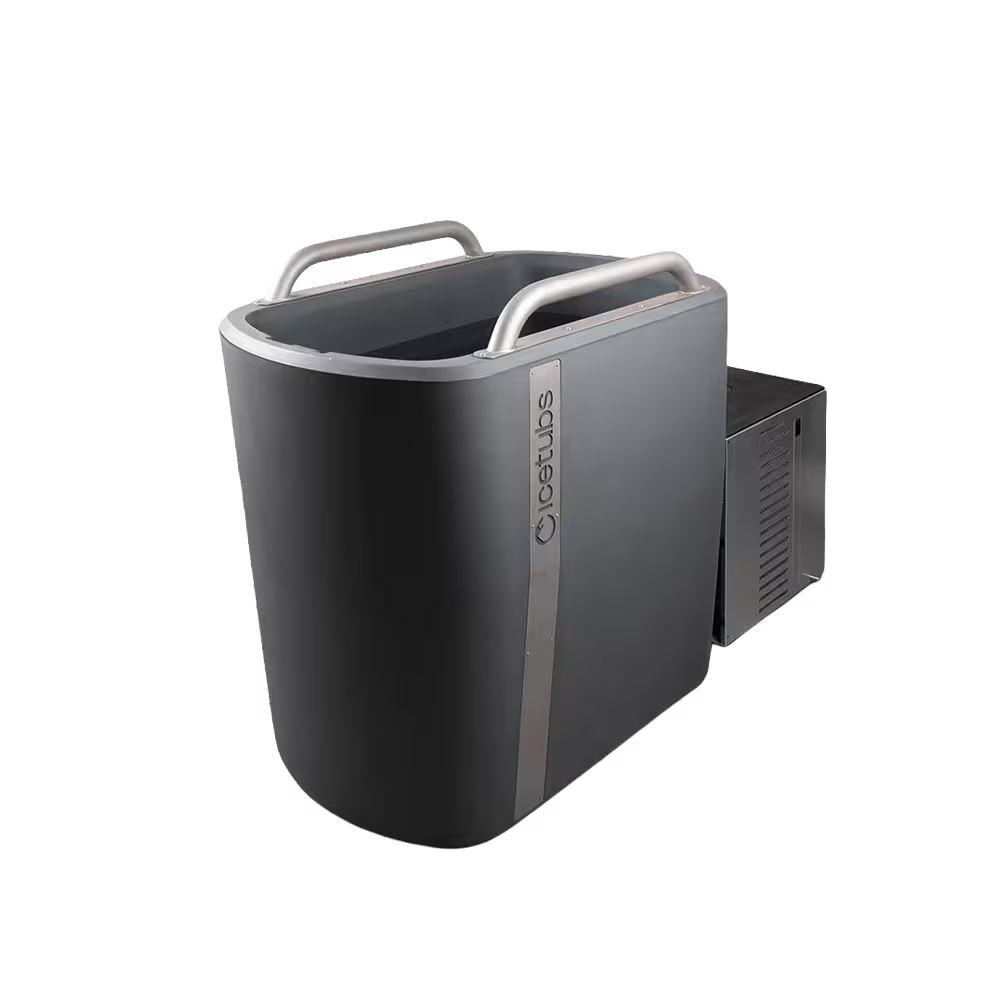
Icetubs gives you control over water temperature, while models such as the IceBath offer app and Wi-Fi control and scheduling. icetubs.com
Instead of guessing how cold the water is or preparing a new ice bath every time, you can work with a repeatable setting.
That makes your records more meaningful.
Track What Matters to You
There is no requirement to measure everything.
If your goal is recovery, pay attention to soreness and how you feel during subsequent training.
If your goal is building a routine, track consistency.
If you enjoy the mental challenge, note how your response to the cold changes.
The most useful metric is the one connected to your reason for plunging.
For the broader approach to creating a sustainable practice, continue with Building a Sustainable Cold Plunge Practice That Lasts.