



In this blogpost:
Waterbehandeling voor koudwaterbaden: chloor, ozon en uv uitgelegd
Ontdek de opties voor waterbehandeling bij ijsbaden, waaronder chloor, ozon en UV, en hoe deze bijdragen aan schoner water.
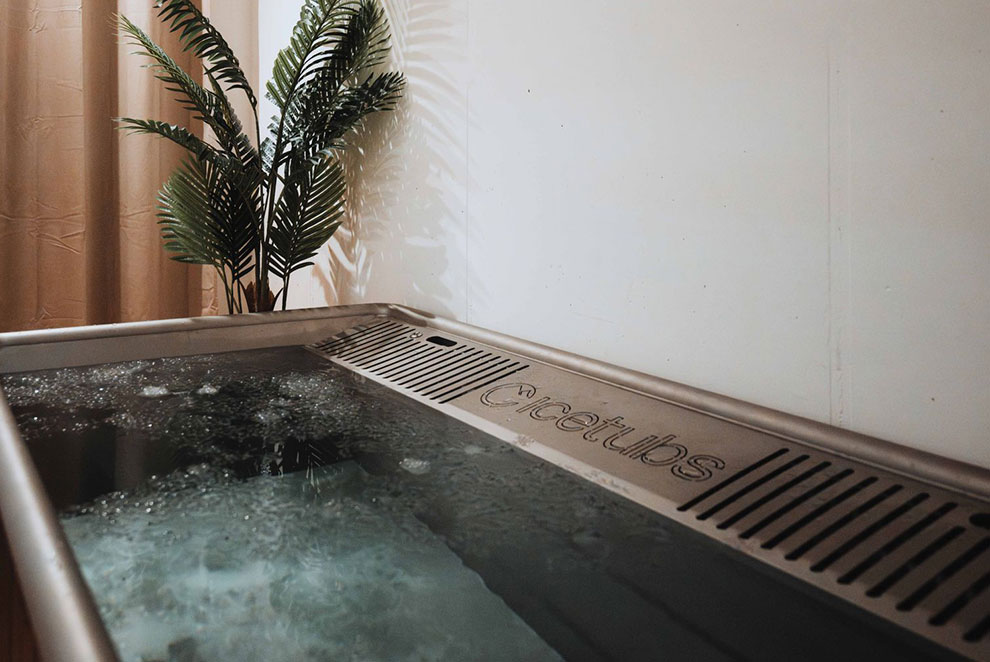
Waterbehandeling helpt om je ijsbad schoner, frisser en aangenamer in gebruik te houden. Zonder goed onderhoud kunnen zweet, lichaamsoliën, vuil en bacteriën zich na verloop van tijd in het water ophopen.
De meest gebruikelijke opties voor waterbehandeling zijn chloor, ozon en UV. Elke methode werkt anders en de beste keuze hangt af van je opstelling, hoe vaak je het bad gebruikt en of het voor privé- of commercieel gebruik is.
Waterbehandeling moet ook worden gecombineerd met eenvoudige gewoontes, zoals afspoelen voor gebruik, het bad afdekken, het oppervlak reinigen en het filter controleren.
Waarom waterbehandeling belangrijk is
Het water in een ijsbad kan er schoon uitzien, zelfs als het aandacht nodig heeft. Helder water kan nog steeds kleine deeltjes, resten of micro-organismen bevatten die niet gemakkelijk te zien zijn.
Behandeling helpt om het water tussen volledige verversingen door schoner te houden. Bij correct gebruik kan het ook geurtjes, troebelheid en aanslag verminderen.
Behandeling is echter geen vervanging voor onderhoud. Je moet nog steeds het oppervlak van het bad reinigen, het water controleren en het water verversen wanneer dat nodig is.
Chloor voor ijsbadwater
Chloor is een bekende optie voor waterbehandeling omdat het veel wordt gebruikt in zwembaden en spa's. Het helpt het water te desinfecteren en bacteriën onder controle te houden.
Het grootste voordeel is de effectiviteit, zeker in gedeelde of intensief gebruikte omgevingen. Het nadeel is dat chloor nauwkeurig gedoseerd moet worden. Te veel kan de huid of ogen irriteren, terwijl te weinig het water mogelijk niet schoon genoeg houdt.
Chloor is wellicht geschikter voor commerciële of drukbezochte opstellingen. Controleer voor thuisgebruik altijd of chloor wordt aanbevolen voor jouw specifieke bad voordat je het toevoegt.
Wateronderhoud met ozon
Ozon wordt in sommige ijsbadsystemen gebruikt om organisch materiaal in het water te verminderen. Het helpt het water fris te houden zonder dat je uitsluitend afhankelijk bent van traditionele chemische middelen.
In Icetubs -systemen werkt reiniging met ozon samen met filtratie en circulatie. Het water stroomt door het systeem, passeert het filter en wordt behandeld voordat het terugkeert in het bad.
Dit type opstelling kan het wateronderhoud voor regelmatig thuisgebruik vergemakkelijken. Toch betekent ozon niet dat het bad geen aandacht nodig heeft. Filters moeten worden gecontroleerd, het oppervlak moet worden schoongemaakt en het water moet nog steeds worden ververst wanneer het niet langer fris aanvoelt.
UV-behandeling in ijsbadsystemen
Bij een UV-behandeling wordt ultraviolet licht gebruikt om micro-organismen te helpen neutraliseren terwijl het water door het systeem stroomt. Het wordt vaak ingezet als onderdeel van een breder onderhoudsplan in plaats van als enige behandelmethode.
UV werkt het best wanneer het water al gefilterd en helder is. Als het water troebel is of vol vuil zit, kan de UV-behandeling minder effectief zijn.
Daarom combineren sommige commerciële ijsbadsystemen verschillende vormen van onderhoud, zoals filtratie, uv-desinfectie, automatische dosering en gedeeltelijke waterverversingscycli.
De juiste behandelmethode kiezen
De juiste behandeling hangt af van hoe je het bad gebruikt.
Denk aan:
- Hoe vaak het bad wordt gebruikt
- Of het voor privé- of commercieel gebruik is
- Of het bad over filtratie beschikt
- Of het systeem is uitgerust met ozon of uv
- Wat de fabrikant aanbeveelt
- Hoe gevoelig je huid is voor chemicaliën
Voor privégebruik zijn filtratie, ozonondersteuning en regelmatig water verversen vaak voldoende. Voor commercieel gebruik is een geavanceerder hygiënesysteem meestal noodzakelijk.
Integreer de behandeling in een volledig onderhoudsplan
Waterbehandeling voor ijsbaden werkt het best als onderdeel van een volledig onderhoudsplan. Chloor, ozon en uv hebben elk hun eigen rol, maar ze vervangen nooit het schoonmaken, het onderhoud van filters en het controleren van de waterkwaliteit.
Gebruik de behandelmethode die bij uw systeem past, volg de productinstructies en meng geen chemicaliën zonder duidelijke aanwijzingen.
Om te zien waar waterbehandeling in het bredere onderhoudsproces past, gebruikt u Onderhoud van een koudwaterbad: de complete gids als uw belangrijkste naslagwerk.