



In this blogpost:
Gebruikskosten van een ijsbad: Elektriciteit & Water
Krijg inzicht in de gebruikskosten van een ijsbad, inclusief elektriciteit, waterverversing, filters, reiniging en hoe je keuzes bij de installatie de kosten op lange termijn beïnvloeden.
.webp)
De kosten van een ijsbad stoppen niet bij de aanschafprijs. Na de aankoop moet je ook rekening houden met elektriciteit, water, filters, schoonmaakmiddelen en algemeen onderhoud.
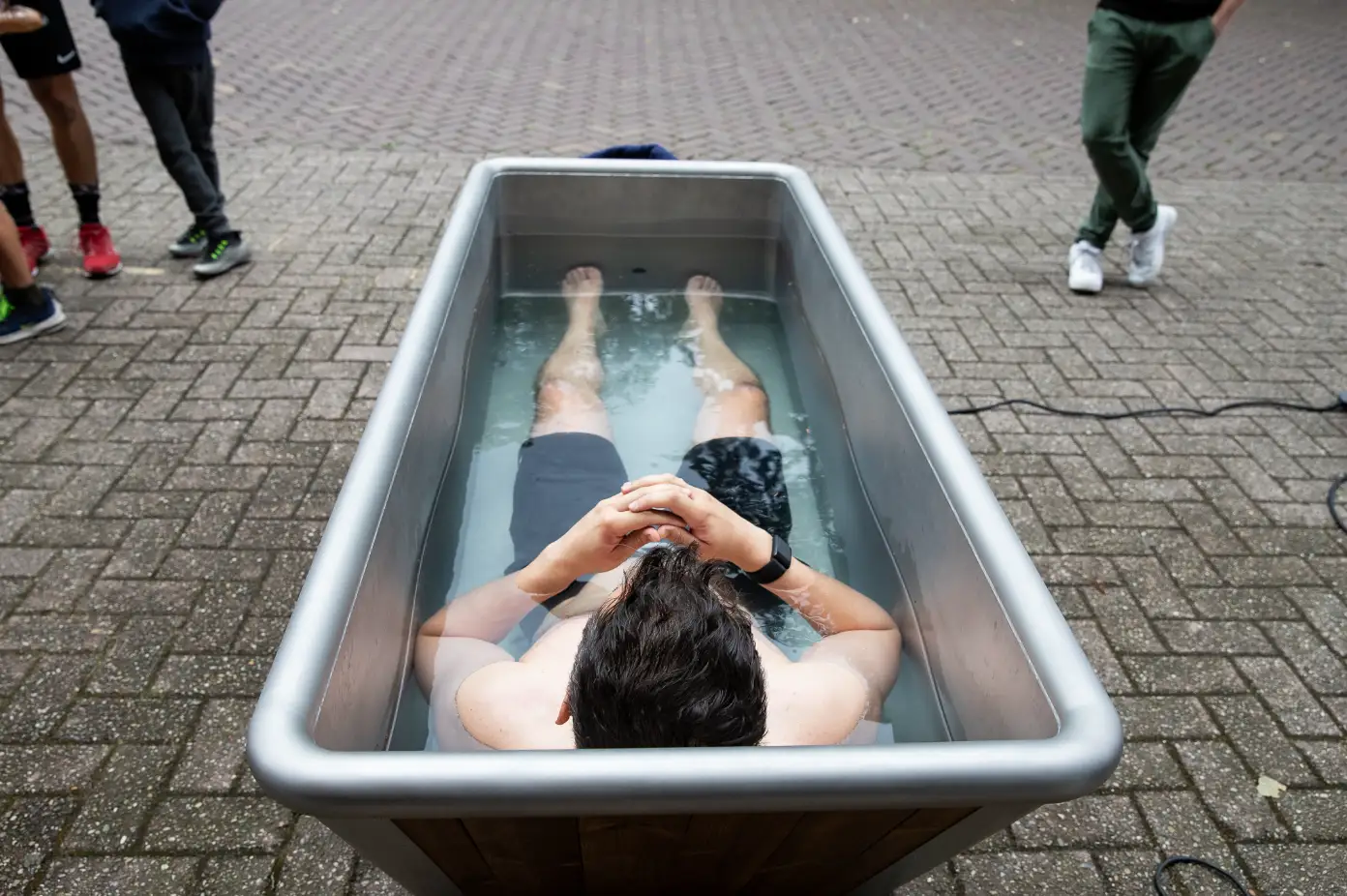
De gebruikskosten variëren afhankelijk van het type bad dat je kiest. Een eenvoudig ijsbad verbruikt misschien geen elektriciteit, maar vereist wel regelmatig ijs en waterverversing. Een elektrisch ijsbad is duurder in aanschaf, maar bespaart je de noodzaak voor ijs en maakt het dagelijkse gebruik een stuk eenvoudiger.
Elektriciteitskosten hangen af van het systeem
Elektrische ijsbaden verbruiken stroom om het water te koelen, te laten circuleren en soms te verwarmen. De exacte elektriciteitskosten hangen af van de motor, de temperatuurinstelling, de buitentemperatuur, de isolatie en hoe vaak het bad wordt gebruikt.
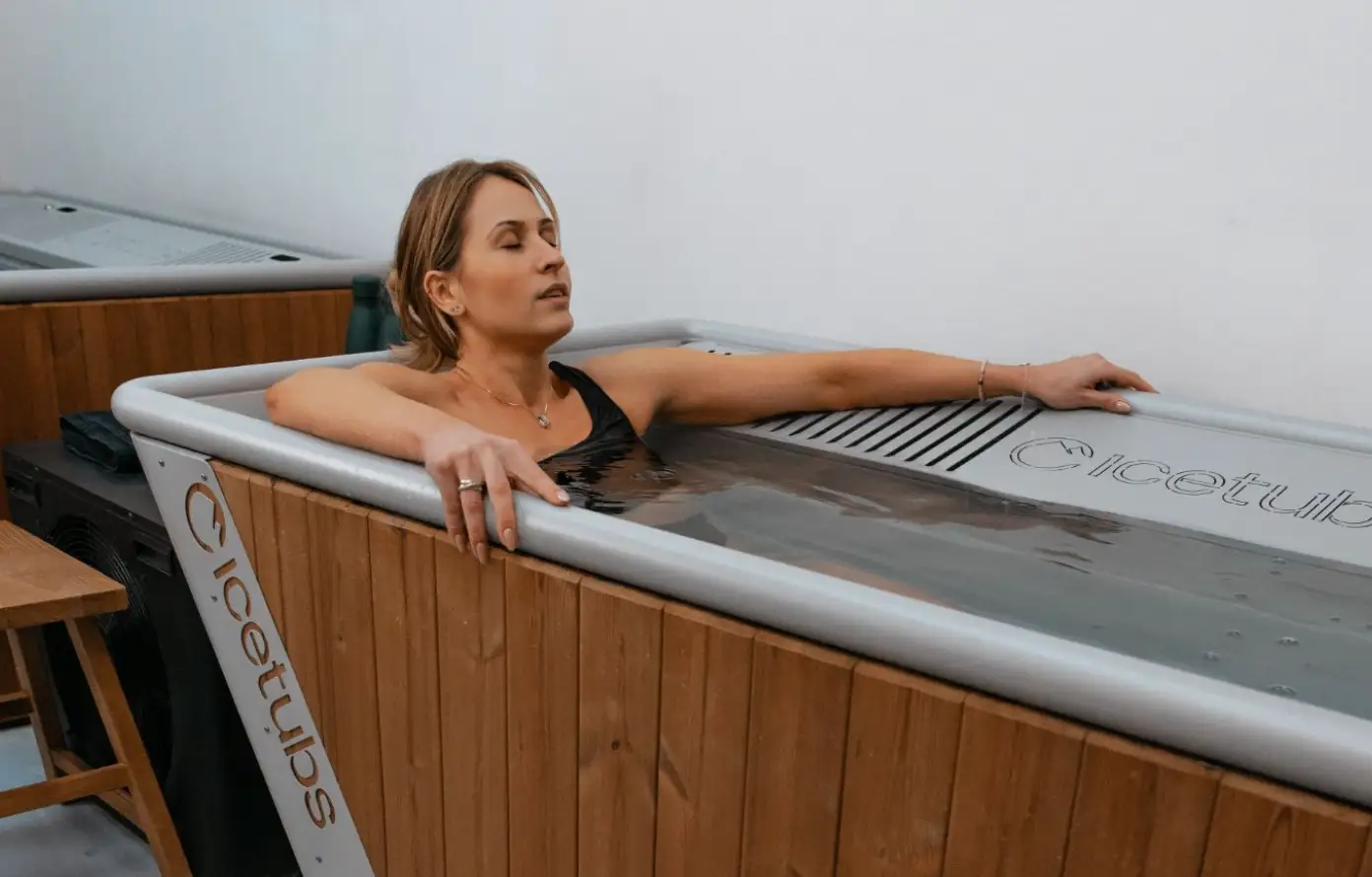
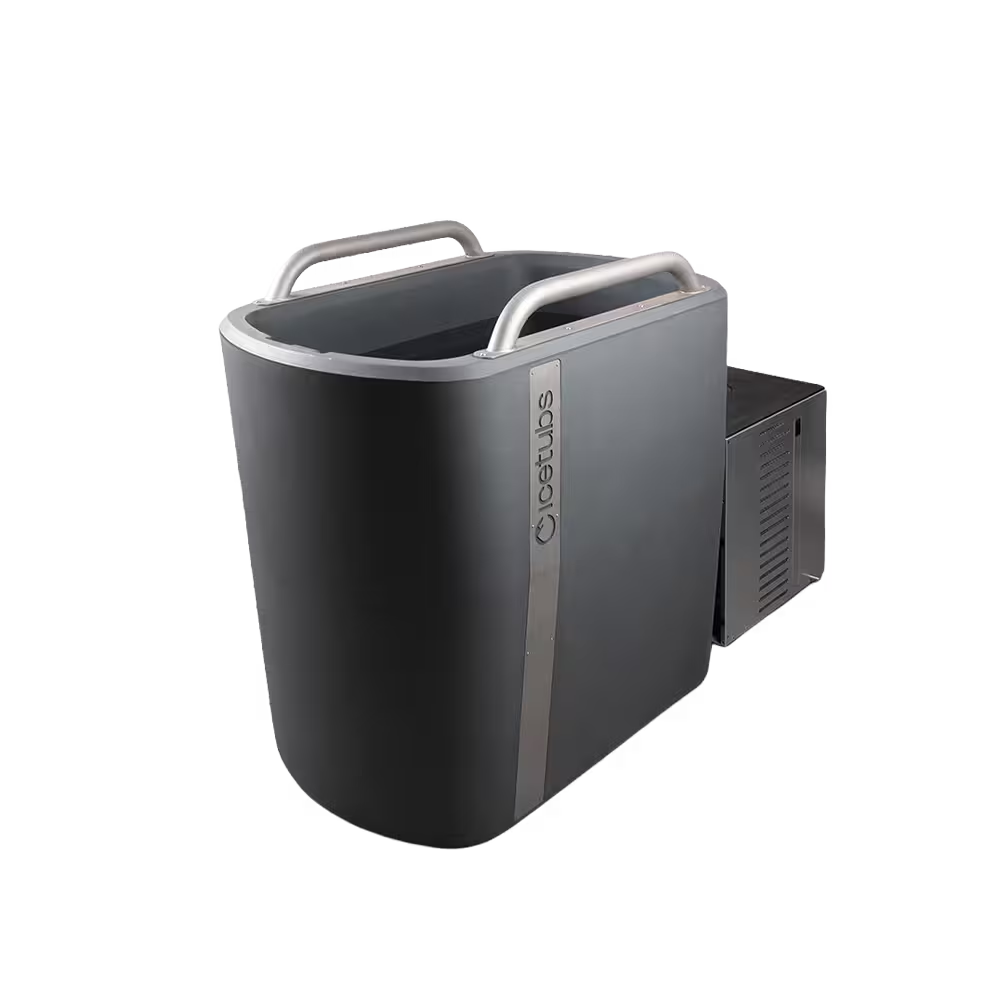
Het energieverbruik is een van de belangrijkste zaken om te controleren voordat je een elektrisch ijsbad koopt. De Icetubs IceBath heeft een energieverbruik van 1,5 kW per dag, met koeling tot 3°C en optionele verwarming tot 38°C.
Als de elektriciteitskosten belangrijk voor je zijn, controleer dan het energielabel van het product voordat je tot aankoop overgaat. Een goed geïsoleerd bad en een passende afdekhoes kunnen ook helpen om onnodig koelwerk te voorkomen.
Ijs kan een verborgen kostenpost worden
Een handmatig ijsbad lijkt in eerste instantie goedkoper omdat er geen motor nodig is. Maar als je meerdere keren per week ijs moet kopen, kunnen die kosten flink oplopen.
Ijs kost ook tijd. Je moet het kopen, sjouwen, in het bad doen, wachten tot het water is afgekoeld en daarna alles opruimen. Voor incidenteel gebruik is dat prima, maar voor regelmatig gebruik kan het onpraktisch worden.
Daarom moeten de gebruikskosten zowel geld als inspanning omvatten.
Water verversen en bijvullen
Water is een andere terugkerende kostenpost. Een basisbad zonder filtersysteem moet wellicht vaak worden geleegd en opnieuw gevuld, zeker als het bad intensief wordt gebruikt of buiten staat.
Een systeem met filtratie en circulatie helpt het water langer schoon te houden. Dit betekent niet dat onderhoud overbodig is, maar het kan de frequentie waarmee je het bad moet verversen wel verlagen in vergelijking met een handmatig systeem.
Hoe vaker je het bad gebruikt, hoe belangrijker wateronderhoud wordt.
Filters, reiniging en kleine benodigdheden
Filters maken deel uit van het reguliere onderhoud. Bij een bad met filtratie moeten de filters na verloop van tijd worden gereinigd of vervangen. Ook schoonmaakmiddelen, wateronderhoudsproducten en accessoires kunnen bijdragen aan de totale kosten.
Veelvoorkomende terugkerende zaken zijn:
- Vervangende filters
- Milde reinigingsmiddelen
- Waterbehandelingsproducten
- Afdekhoezen of onderhoud van de hoes
- Afvoeraccessoires
- Basisgereedschap voor onderhoud
Deze kosten zijn meestal goed te overzien, maar het is verstandig ze mee te nemen in je aankoopbeslissing.
De plek van installatie beïnvloedt de kosten
Waar je het bad plaatst, kan invloed hebben op de gebruikskosten. Direct zonlicht, de buitentemperatuur, blootstelling aan wind en de kwaliteit van de afdekhoes bepalen hoe hard het koelsysteem moet werken.
Een schaduwrijke, beschutte en afgedekte plek helpt het bad efficiënter te werken en schoner te blijven. Bovendien zorgt het voor minder bladeren, pollen en vuil in het water, wat op termijn minder schoonmaakwerk betekent.
Icetubs laat zien waarom de locatie, het gebruik van de afdekhoes en de temperatuurinstellingen onderdeel moeten zijn van de eigendomskosten, en niet alleen van de installatie.
Bereken de kosten op basis van je routine
De werkelijke gebruikskosten hangen af van hoe vaak je het bad gebruikt. Iemand die het bad één keer per week gebruikt, heeft andere kosten dan iemand die er dagelijks in gaat.
Schat voor aankoop het volgende in:
- Hoe vaak je het bad gaat gebruiken
- Of je ijs gaat kopen
- Hoe vaak het water moet worden ververst
- Vervanging van filters
- Elektriciteitsverbruik
- Schoonmaakinspanning
Een ijsbad wordt kosteneffectiever wanneer de opstelling aansluit bij je routine. Voor een breder beeld van de kosten, ga verder met Wat kost een ijsbad? Complete prijsgids.