



In this blogpost:
Cold Plunge in Hot Climates: How to Manage the Heat
Using a cold plunge in a hot climate? Learn how shade, ventilation, insulation, covers, placement, and maintenance can help manage water temperature.
Living somewhere hot does not make cold plunging impossible.
It simply means your setup has to work harder against the surrounding environment.
High air temperatures, strong sunlight, and warm surfaces can all contribute to heat entering the water.
The good news is that much of this can be managed through smarter placement and simple habits.
Start With Shade
Direct sunlight is one of the easiest sources of unwanted heat to address.
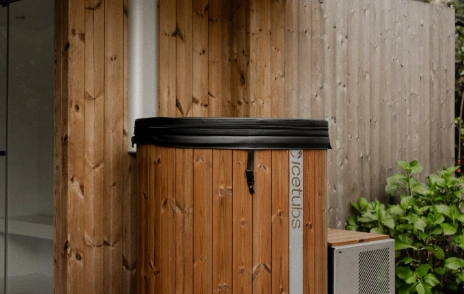
If possible, position your plunge under a roof, pergola, shade structure, or natural canopy.
A shaded area can reduce heat exposure throughout the day and make the plunge more comfortable to use.
It is particularly useful during the hottest afternoon hours.
Choose the Location Carefully
Do not only look at where the tub fits.
Look at the environment around it.
A plunge surrounded by sun-heated concrete may experience more heat than one positioned in a naturally shaded garden area.
Think about airflow too.
A well-ventilated location allows heat to disperse around the equipment rather than becoming trapped.
Give the Chiller Room to Breathe
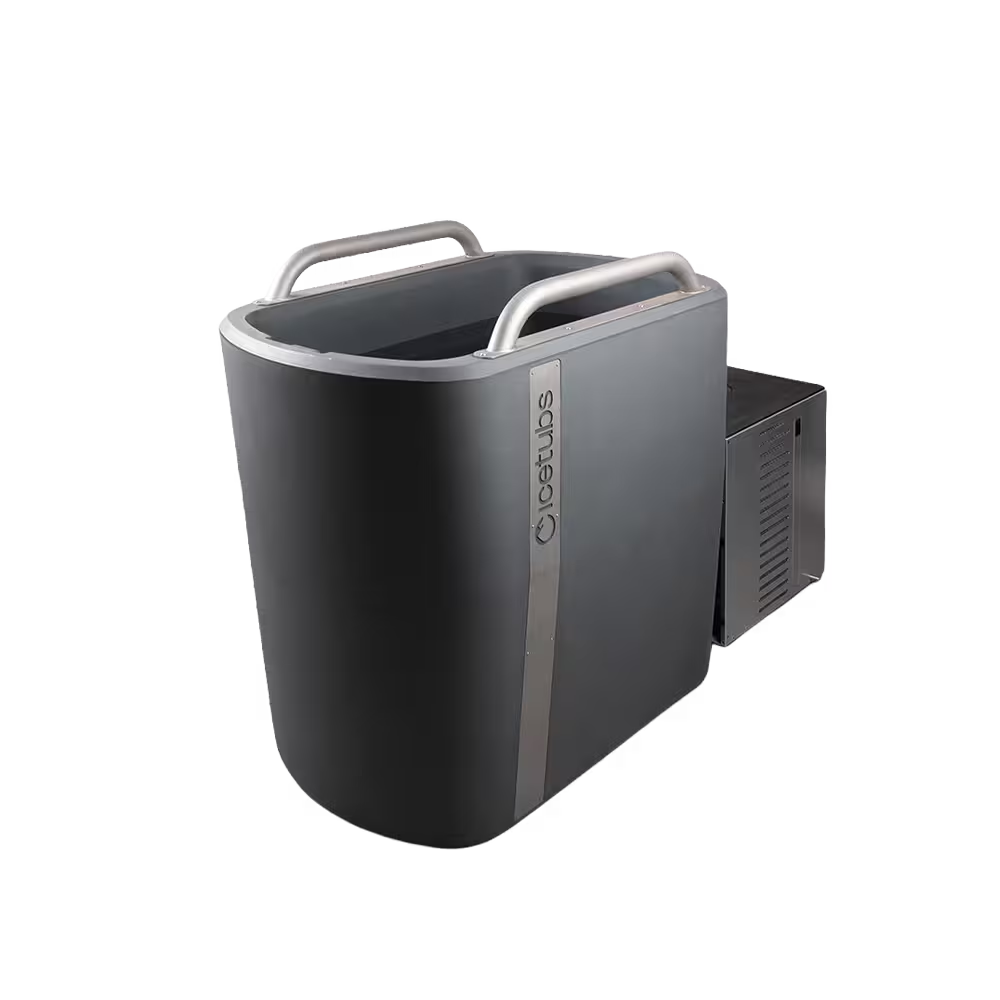
Cooling equipment needs adequate airflow.
If the chiller is squeezed into a small enclosed space, warm air can build up around it.
That can make cooling more demanding.
Follow the manufacturer's clearance requirements and keep vents free from leaves, dust, and other debris.
Good airflow becomes especially important in hot climates.
Insulation Helps
Insulation reduces unwanted heat transfer between the cold water and the warmer environment.
This can be useful when outdoor temperatures remain high for long periods.
If you are planning a permanent setup, consider insulation as part of the installation rather than an afterthought.
Cover the Water
Use the cover whenever the plunge is not being used.
A cover helps limit direct exposure to sunlight and keeps leaves, dust, and other debris out of the water.
That matters even more in hot climates where outdoor conditions can change quickly.
Make replacing the cover part of your normal routine.
Maintain the Water
Hot weather and frequent use can increase the need for consistent water care.
Follow your normal cleaning and sanitation routine, and pay attention to changes in water quality.
Keeping the system clean helps maintain a better experience and reduces unnecessary maintenance problems.
Check Your Temperature
Do not assume that the water is at your preferred temperature simply because the chiller is running.
Check the actual temperature, particularly during periods of extreme heat.
If the system is working continuously or taking noticeably longer to reach your chosen setting, check the surrounding conditions and equipment airflow.
Icetubs in Hot Weather
The Icetubs Engine uses active cooling rather than relying on manually added ice.
That is particularly practical in hot climates, where continuously adding enough ice to offset environmental heat would quickly become inconvenient.
With the right placement and ventilation, you can keep the setup focused on controlled cold exposure rather than constant ice preparation. See Cold Plunge Chiller vs Ice: Which Is Better for Your Routine for a fuller comparison.
Think About Timing
You can also reduce heat exposure by choosing when you use the plunge.
Early morning and evening sessions may be more comfortable than using an outdoor tub during peak afternoon heat.
The tub still needs appropriate protection, but timing can make the overall experience more pleasant.
Don't Overcomplicate Your Setup
You do not need to fight the climate with an elaborate system.
Start with shade.
Improve airflow.
Use insulation.
Keep the plunge covered.
Maintain the water.
Check the temperature.
These fundamentals can make a meaningful difference.
For more guidance on designing an outdoor cold plunge that works across different weather conditions, continue with Outdoor Cold Plunge: How to Plan the Right Setup