



In this blogpost:
Cold Plunge Hygiene for Businesses: Building a Reliable Routine
Learn how businesses can manage cold plunge hygiene with filtration, sanitation, water testing, cleaning, staff procedures, and appropriate compliance practices.
A commercial cold plunge has one responsibility that should never become an afterthought: keeping the water properly managed.
When many people use the same plunge, sweat, skin oils, cosmetics, and other contaminants enter the water.
Your hygiene process therefore needs to be systematic.
Build a Daily Water-Care Routine
Start with a clear operating procedure.
Your team should know when to inspect the water, check equipment, clean surfaces, monitor water quality, and replace filters.
Keep responsibilities specific.
If everyone is responsible, nobody may be.
A written checklist can make standards easier to maintain across different shifts.
For a broader maintenance routine beyond daily checks, How to Maintain a Cold Plunge Tub: Complete Care Guide covers the fuller picture.
Filtration and Sanitation Work Together
Filtration removes physical contaminants.
Sanitation addresses microorganisms and organic material.
A commercial setup should therefore consider both.
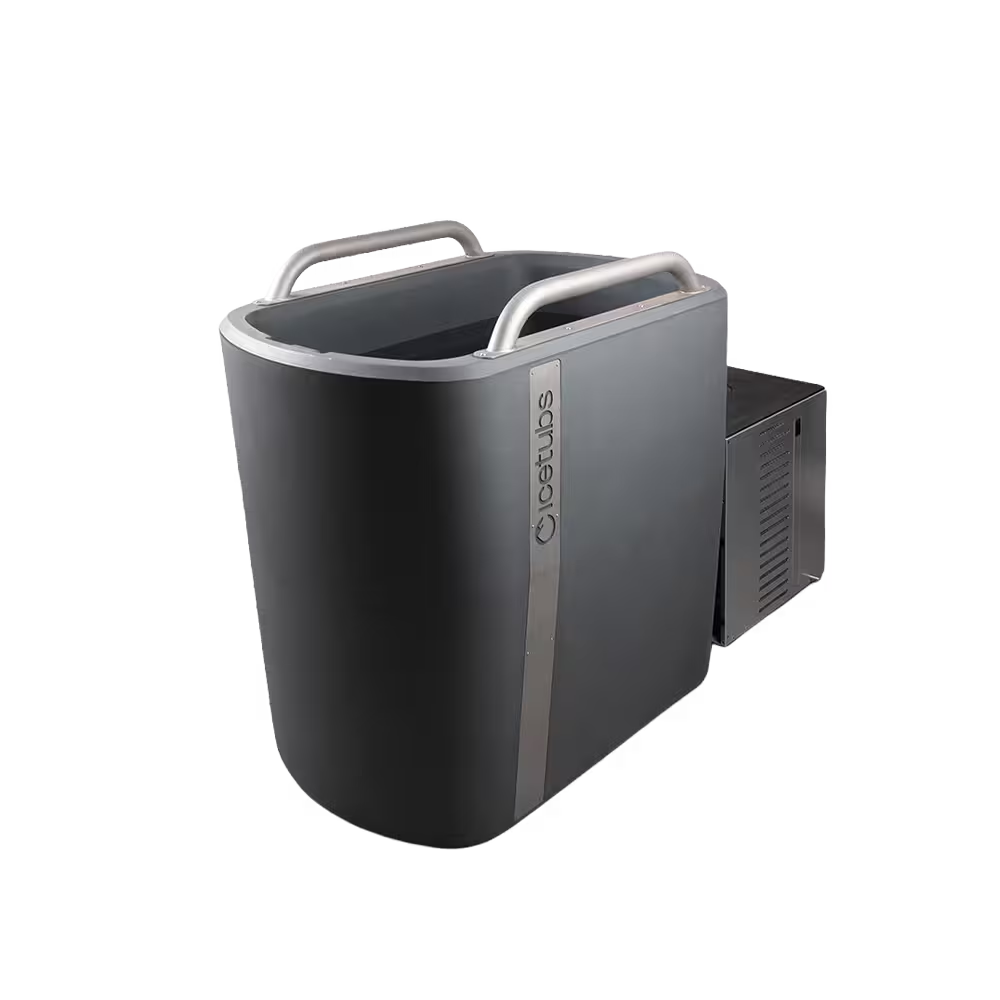
The Icetubs ProBath combines dual 5-micron filters with automated sanitation and an overflow system that continuously skims floating debris and contaminants from the water. Icetubs
Icetubs also states that its ProBath uses ozone treatment, with UV and optional chlorine listed among its sanitation technologies. Icetubs
Your facility should still follow the specific operating instructions and local regulations applicable to your location.
Staff Procedures Matter Just as Much
Technology does not replace good operations.
Staff should understand how to inspect the plunge, change filters, clean surfaces, respond to water-quality issues, and escalate technical problems.
Customers should also receive clear instructions before using a shared plunge.
That can include showering beforehand and following any facility-specific hygiene requirements.
Compliance Is Local
Commercial hygiene requirements vary between jurisdictions.
Do not assume that a procedure suitable for one country or state automatically satisfies another.
Check the regulations that apply to your facility, particularly around water quality, sanitation, drainage, electrical safety, and public-use equipment.
The equipment is only one part of compliance.
Make Cleanliness Visible
Customers do not need to see every maintenance task.
But they should be able to see that the facility is organised and well maintained.
Clean surrounding surfaces.
Clear procedures.
Well-kept equipment.
Professional staff.
These details build trust.
A commercial cold plunge should feel clean before the customer ever gets into the water.
For more on designing a commercial cold-plunge operation, continue with Cold Plunge for Business: Building a Commercial Wellness Offering.