



In this blogpost:
Koudwaterbaden voor een betere nachtrust: timing & tips
Ontdek hoe een ijsbad je slaap kan beïnvloeden, wanneer je het beste een avondsessie kunt inplannen en hoe je een rustgevende avondroutine opbouwt voor een betere nachtrust.
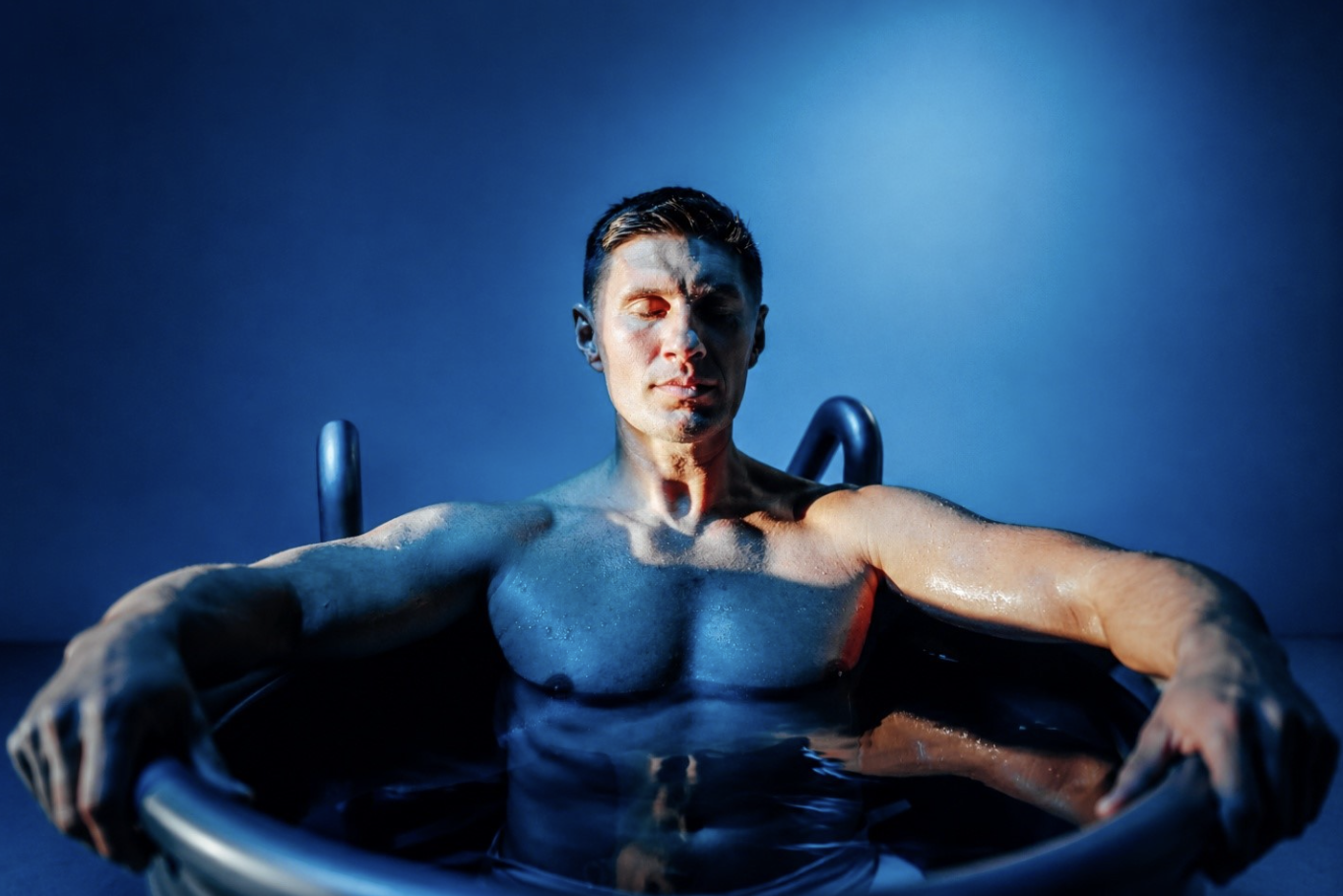
Een ijsbad kan erg verkwikkend werken.
Daarom is het belangrijk wanneer je het doet.
Voor sommigen zorgt koud water voor een frisse reset, waardoor het lichaam na een lange dag lichter aanvoelt. Voor anderen kan een ijsbad vlak voor het slapengaan te stimulerend werken.
Het verschil zit hem vaak in de timing, de intensiteit en hoe je daarna weer opwarmt.
Begrijp het effect op je alertheid
Koud water maakt het lichaam snel wakker.
Je ademhaling verandert. Je hartslag kan stijgen. Je zenuwstelsel wordt alerter. Dit kan nuttig zijn in de ochtend of na een training, maar het is niet altijd ideaal vlak voor het slapengaan.
Als je een ijsbad gebruikt om je slaap te verbeteren, zie het dan niet als een uitdaging voor laat op de avond. Het doel is om de avond rustig af te sluiten en het lichaam niet te veel te activeren.
Probeer het eerder op de avond
Een koud bad kan beter werken voor je slaap als je het eerder op de avond doet.
Dit geeft je lichaam de tijd om te reageren, op natuurlijke wijze op te warmen en tot rust te komen voor het slapengaan. In plaats van direct na het bad onder de wol te kruipen, kun je beter wat tijd tussen de sessie en je slaap inplannen.
Voor veel mensen betekent dit een koud bad na het werk, na het sporten of vóór een rustige avondroutine.
Laat de rest van de avond daarna rustig uitklinken.
Houd de sessie rustig
Een sessie die gericht is op een betere nachtrust moet beheerst aanvoelen.
Dit is niet het moment om voor de koudste temperatuur of de langste duur te gaan. Een korte, behapbare sessie is vaak al genoeg voor een reset, zonder dat je lichaam overprikkeld raakt.
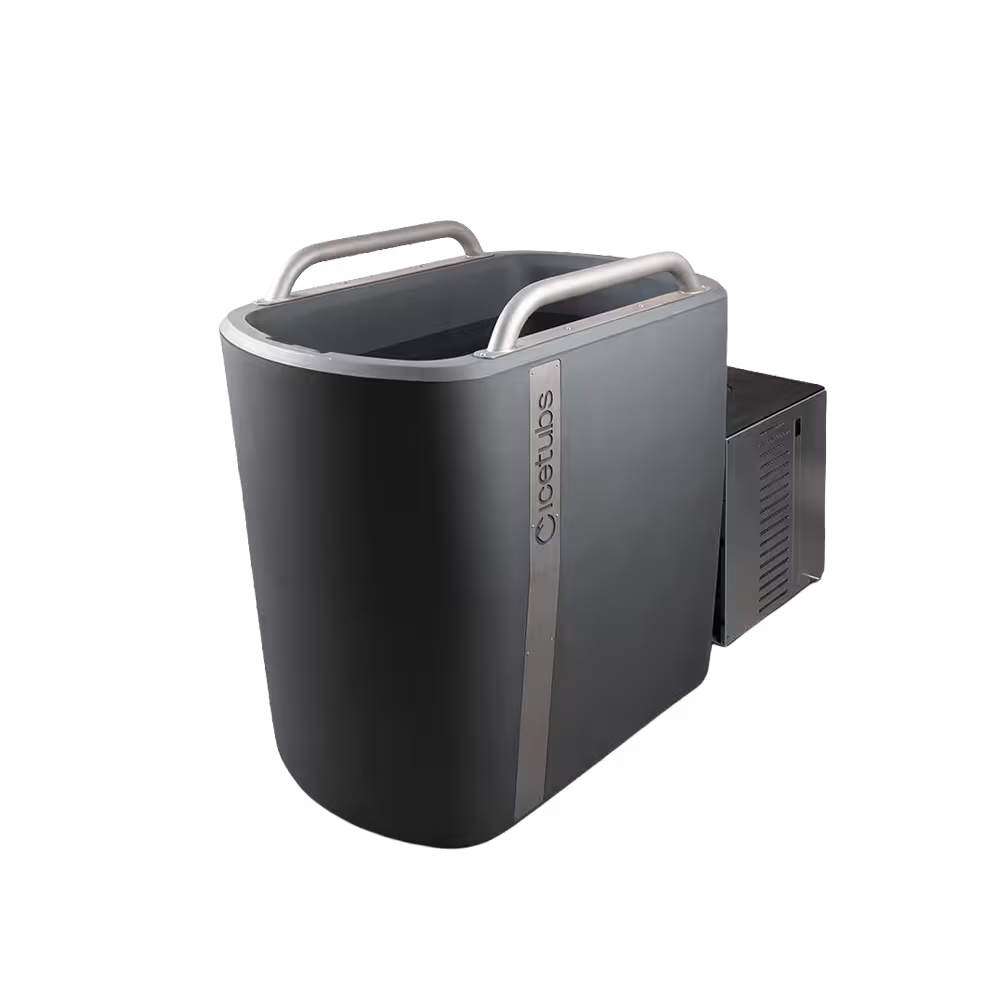
Als je een systeem met temperatuurregeling gebruikt, pas de sessie dan aan op het tijdstip van de avond. De Icetubs IceBath kan het water afkoelen tot 3°C en, met de verwarmingsoptie, opwarmen tot 38°C, eenvoudig te bedienen via de app of het display.
Die flexibiliteit kan helpen om de routine minder extreem en makkelijker aanpasbaar te maken.
Warm langzaam op
Hoe je opwarmt na de duik kan de rest van de avond bepalen.
Vermijd om direct daarna intensief te gaan sporten of aan een stressvolle taak te beginnen. Laat je lichaam in plaats daarvan op natuurlijke wijze opwarmen. Trek warme kleding aan. Loop rustig rond. Drink iets warms als dat prettig voelt.
De overgang is belangrijk.
Blootstelling aan kou gevolgd door een rustige opwarming kan een signaal worden dat de dag ten einde loopt.
Combineer het met slaaphygiëne
Een koud bad is slechts één onderdeel van een betere slaaproutine.
De basis blijft essentieel: gedimd licht, minder schermtijd, een vast bedtijdritme, een comfortabele kamer en een rustige geest. Een koud bad kan het ritueel ondersteunen, maar het kan deze fundamenten niet vervangen.
De beste aanpak is persoonlijke observatie. Kijk of blootstelling aan kou in de avond je helpt om rustiger te worden of dat je er juist te wakker van wordt.
Houd je reactie bij
Slaap is persoonlijk. Wat voor de één werkt, hoeft voor de ander niet te werken.
Probeer op verschillende tijdstippen een koud bad en kijk wat er gebeurt. Val je sneller in slaap? Voel je je wakkerder? Word je 's nachts wakker? Voel je je de volgende ochtend beter?
Houd de routine eenvoudig en overzichtelijk.
Verander telkens maar één ding: het tijdstip, de duur of de intensiteit.
Maak van de avond een ritueel
Een koud bad voor het slapengaan werkt het best als je er de tijd voor neemt.
Bereid de ruimte voor. Stap er rustig in. Houd de sessie kort. Warm langzaam op. Laat de rest van de avond in het teken staan van rust.
Het doel is niet om slaap te forceren. Het is om de omstandigheden te creëren waarin je lichaam tot rust kan komen.
Voor meer manieren om koudwaterbaden in je dagelijkse ritme te integreren, lees Methoden & routines voor koudwaterbaden: de complete gids.