



In this blogpost:
Ademhalingstechnieken voor een ijsbad: methoden die werken
Leer eenvoudige ademhalingstechnieken voor een ijsbad, inclusief kalmerende ademhaling, veiligheidstips en hoe je gecontroleerd het water in gaat.
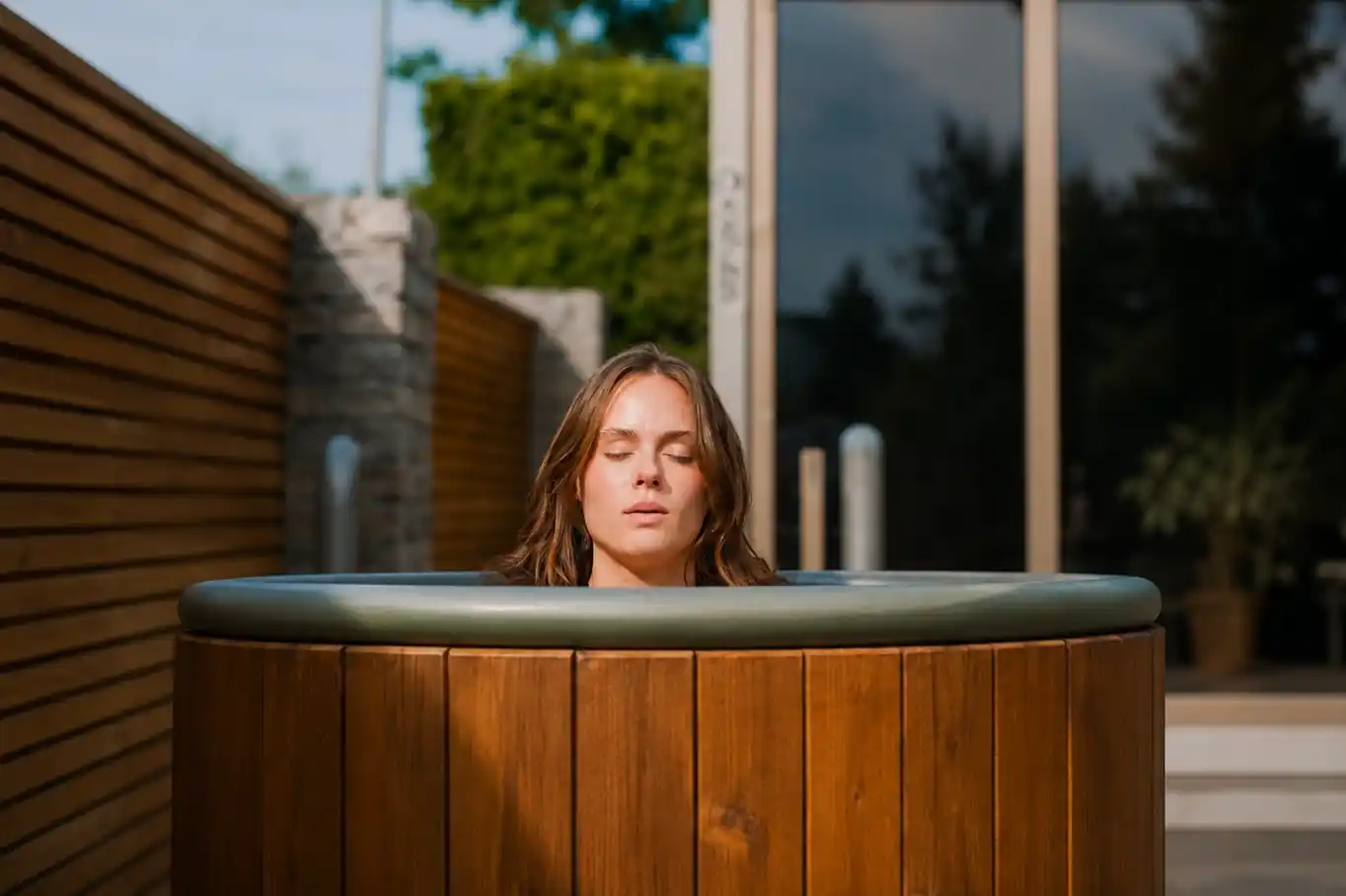
Ademhaling is het eerste wat verandert door de kou.
Voordat het lichaam zich aanpast, wordt de ademhaling vaak kort en schokkerig. De schouders spannen zich aan. De geest reageert. De kou eist direct je aandacht op.
Daarom kan ademwerk voor een ijsbad zo nuttig zijn.
Het hoeft niet dramatisch te zijn. Het hoeft niet ingewikkeld te zijn. Het doel is om met een kalmer lichaam en een stabielere geest het water in te gaan.
Begin voordat je instapt
Ademwerk werkt het beste vóór het ijsbad, niet tijdens de intense blootstelling aan kou.
Ga rustig staan of zitten voordat je het water in gaat. Merk op hoe je ademt. Als je ademhaling gejaagd voelt, vertraag deze dan. Laat de uitademing langer duren dan de inademing.
Dit helpt het lichaam om van anticipatie over te schakelen naar voorbereiding.
Een paar rustige ademteugen kunnen de hele sessie veranderen. In plaats van gestrest het water in te gaan, begin je met bewustzijn.
Houd de techniek simpel
De beste ademhaling voor een ijsbad is vaak de meest eenvoudige.
Probeer dit:
- Adem langzaam in door de neus
- Adem rustig uit door de mond
- Ontspan je kaak en schouders
- Herhaal dit één tot twee minuten
- Pauzeer voordat je het water ingaat
Het is niet de bedoeling dat je zuurstof je lichaam in dwingt. Je creëert rust en stabiliteit.
Dit is extra belangrijk omdat koud water een onvrijwillige hap naar adem en een snelle ademhaling kan uitlokken. Een rustige ademhaling voor de duik geeft je iets om op terug te vallen zodra de kou toeslaat.
Vermijd intensieve ademhaling in het water
Sommige ademhalingstechnieken maken gebruik van sneller of dieper ademhalen. Wees hier voorzichtig mee.
Intensief ademwerk kan bij sommige mensen een licht gevoel in het hoofd veroorzaken. Dat risico is groter in of nabij water. Als je krachtigere technieken beoefent, doe dit dan vooraf in een veilige houding en keer terug naar een normale ademhaling voordat je het water ingaat.
Houd je ademhaling in het water rustig en gecontroleerd.
Adem rustig in.
Adem langzaam uit.
Laat je lichaam tot rust komen.
Gebruik de uitademing als anker
De eerste paar seconden zijn meestal het zwaarst. Je lichaam wil zich aanspannen. Je geest wil weg.
Dit is het moment waarop de uitademing je anker wordt.
In plaats van tegen de kou te vechten, verleng je de uitademing. Een langzame uitademing kan de reactie van je lichaam verzachten en je geest een duidelijk focuspunt geven.
Het is heel normaal als je je niet meteen ontspannen voelt. Bij deze oefening gaat het er niet om dat je ongemak wegneemt, maar dat je erbij blijft.
Stem je ademhaling af op je routine
Niet elke ijsbad-sessie vraagt om dezelfde ademhalingstechniek.
Een ochtendduik vraagt misschien om een korte, energieke voorbereiding. Een avondsessie vraagt juist om een rustigere ademhaling om overstimulatie te voorkomen. Bij een herstelbad na het sporten kan een kalmere instap en een langere rustperiode daarna gunstig zijn.
De methode moet passen bij het moment.
Een ijsbad wordt makkelijker als je alles klaar hebt staan en de routine vertrouwd voelt. Een vaste omgeving, of dat nu thuis is of in een wellnessruimte, helpt om de ademhaling onderdeel te maken van het ritueel in plaats van een bijzaak.
Laat de ademhaling de oefening leiden
Ademwerk voor een ijsbad draait niet om prestaties. Het draait om aankomen.
Aankomen in je lichaam.
Aankomen in het moment.
Beheerst aankomen.
Begin met rustig ademhalen. Stap langzaam in. Gebruik je uitademing om tot rust te komen. Na verloop van tijd voelt de kou misschien nog steeds intens, maar het wordt minder overweldigend.
Voor meer manieren om je sessie in te richten, ga verder met Methoden & routines voor ijsbaden: de complete gids.