





In this blogpost:
Using Cold Exposure as Part of Burnout Recovery
Learn how cold plunging may fit into burnout recovery as a reset, while understanding why rest, boundaries, sleep, and professional support matter most.
Burnout is not simply being tired after a busy week.
It can mean prolonged exhaustion.
Reduced motivation.
Emotional strain.
Feeling disconnected from work or everyday life.
When you reach that point, adding another demanding wellness practice sounds counterproductive. Sometimes it is.
The value of cold exposure is not that it fixes burnout. It is that, used appropriately, it can create a short and deliberate pause in an otherwise overloaded day.
Start With the Basics
Before thinking about cold exposure, look at what your body actually needs.
Sleep.
Food.
Time away from work.
Movement.
Recovery.
Boundaries.
If those foundations are missing, a cold plunge cannot compensate for them. Burnout often requires changes to the conditions creating the stress, not simply another technique for managing its symptoms.
Where Could Cold Fit?
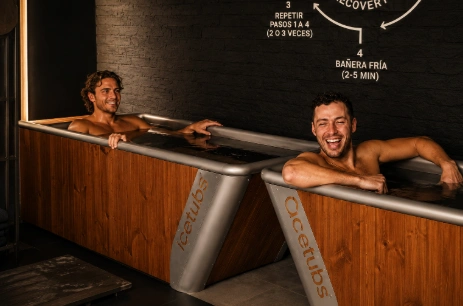
A cold plunge can create a clear transition.
You step away from your normal environment.
Focus on your breathing.
Experience the cold.
Then leave.
That structure helps create a psychological boundary between one part of your day and another — for example, using it after work as a signal that the workday is over.
This matters, though: cold exposure is still a physical stressor. If you are already completely depleted, an intense cold session may feel like another demand rather than a reset. You do not need to make the experience extreme. A manageable exposure is more appropriate than treating the plunge as another challenge to conquer.
Create Space Afterwards
One mistake is finishing a cold plunge and immediately returning to the same source of stress. Phone.
Email.
Notifications.
Meetings.
Give yourself a few minutes instead.
Dry off.
Change clothes.
Sit quietly.
Take a walk.
Let the transition actually happen. The value of the ritual comes partly from what surrounds it.
Cold exposure can feel stimulating.
The nervous system becoming more alert is one reason many people prefer a morning plunge, useful if you want a deliberate start to the day. But stimulation is not recovery. If you are genuinely exhausted, feeling temporarily more awake does not mean your body no longer needs rest.
Make It Sustainable, Not a Performance
Burnout recovery benefits from reducing unnecessary friction.
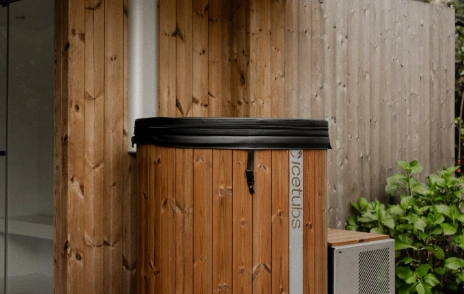
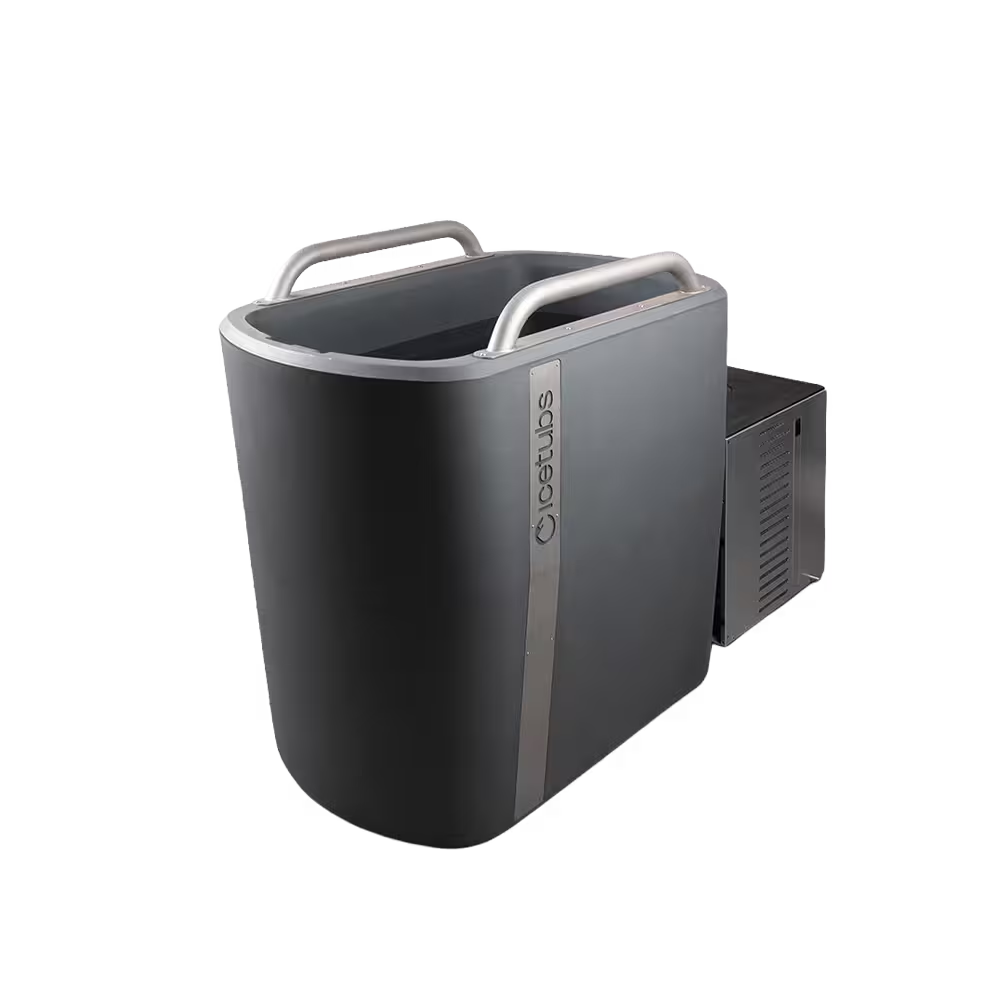
If every session requires preparing ice, cleaning equipment, organising the setup, the practice becomes another task. Icetubs is built around ready-to-use cold exposure, with no-ice cooling and temperature control that make regular sessions simpler to maintain — which helps when your energy is limited.
If you want help making the ritual stick, our guide to How to Build a Daily Cold Plunge Habit walks through exactly that.
There is a strange tendency to optimise everything.
Track the temperature.
Track the duration.
Chase a lower number.
Never miss a day.
That mindset works against burnout recovery. You do not need another metric to feel guilty about. If the plunge helps, keep it. If rest feels better, rest. And if exhaustion, low mood, anxiety, or detachment are persistent, consider professional support. Cold exposure should complement your recovery. Never substitute for addressing the causes of burnout.
For a wider understanding of how cold exposure can fit into a balanced mental wellness routine, return to Cold Plunge for Mental Wellbeing: How Cold Therapy May Help