





In this blogpost:
The Recovery Stack: Building a Smarter Cold Plunge Routine
Build a smarter recovery routine by combining cold plunges with sauna, massage, mobility, nutrition, hydration, and other complementary therapies.
Cold plunging can be useful on its own.
But it does not have to exist in isolation.
Many recovery routines combine cold exposure with heat, movement, massage, nutrition, hydration, or other wellness practices. The idea is not to throw every recovery tool into one routine. It is to understand what each one adds and create a combination that makes sense for your goals.
That is the recovery stack.
Build Around Your Goal
Start with the outcome you want.
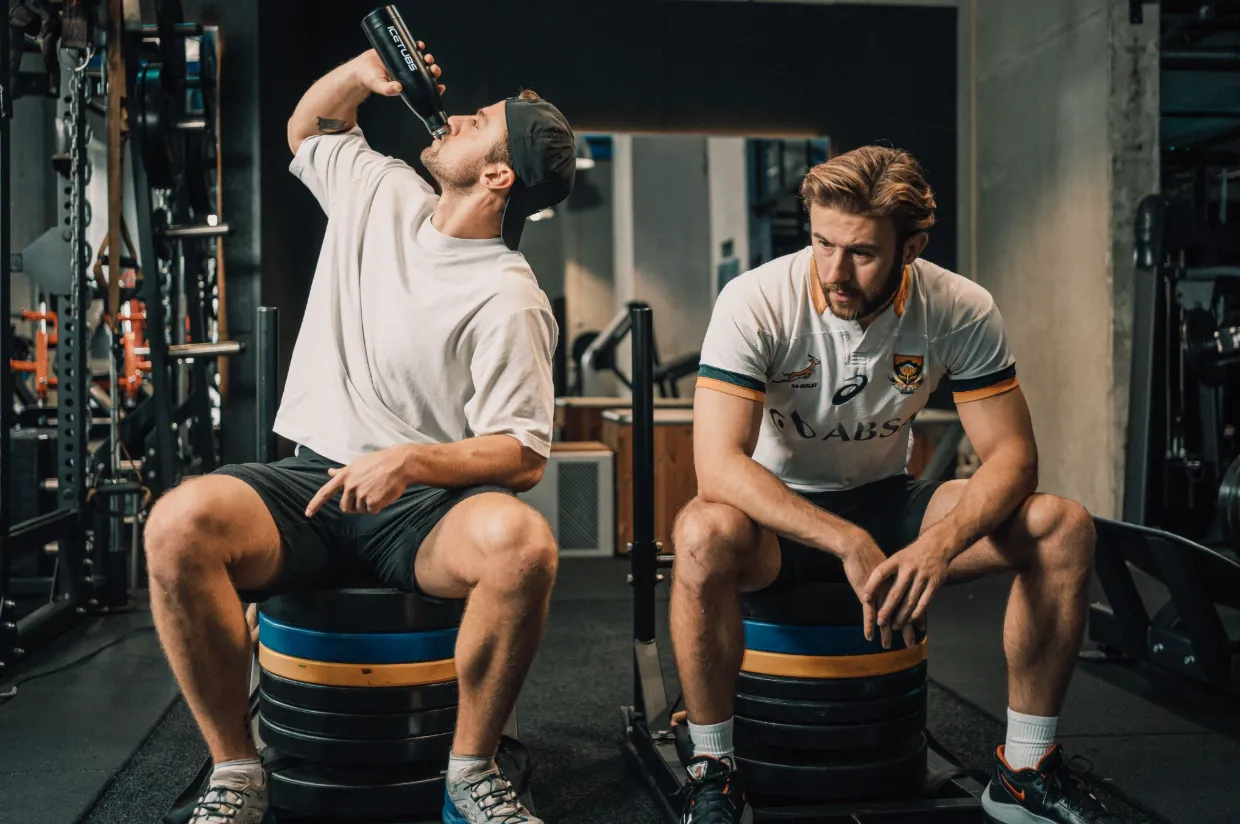
If you are focused on post-training recovery, cold exposure may sit alongside mobility work, nutrition, hydration, and sleep.
If you want a broader wellness ritual, sauna, massage, stretching, or light therapy may become part of the routine.
The order and frequency can then be adjusted around your schedule.
More is not automatically better.
A useful recovery stack should make your routine more effective without making it unnecessarily complicated.
Heat and Cold Make a Natural Pair
Sauna and cold exposure are often combined because they create very different thermal experiences.
Heat increases skin temperature and promotes vasodilation, while cold exposure causes vasoconstriction and a strong cold stimulus.
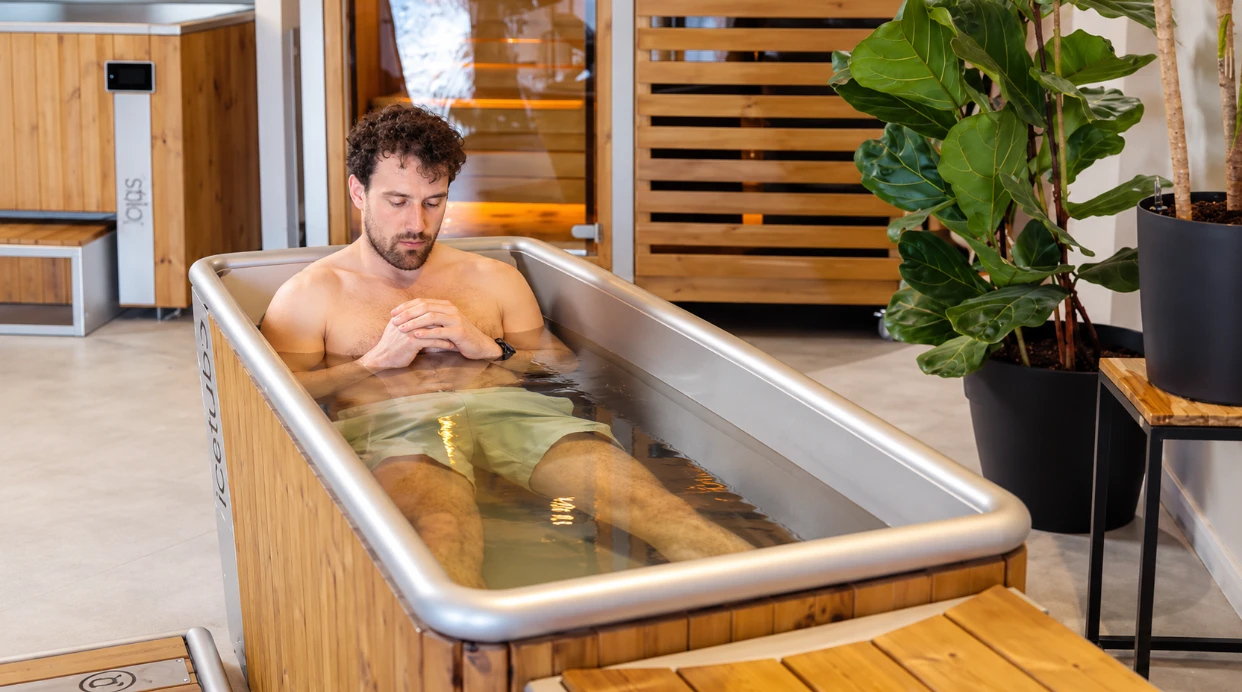
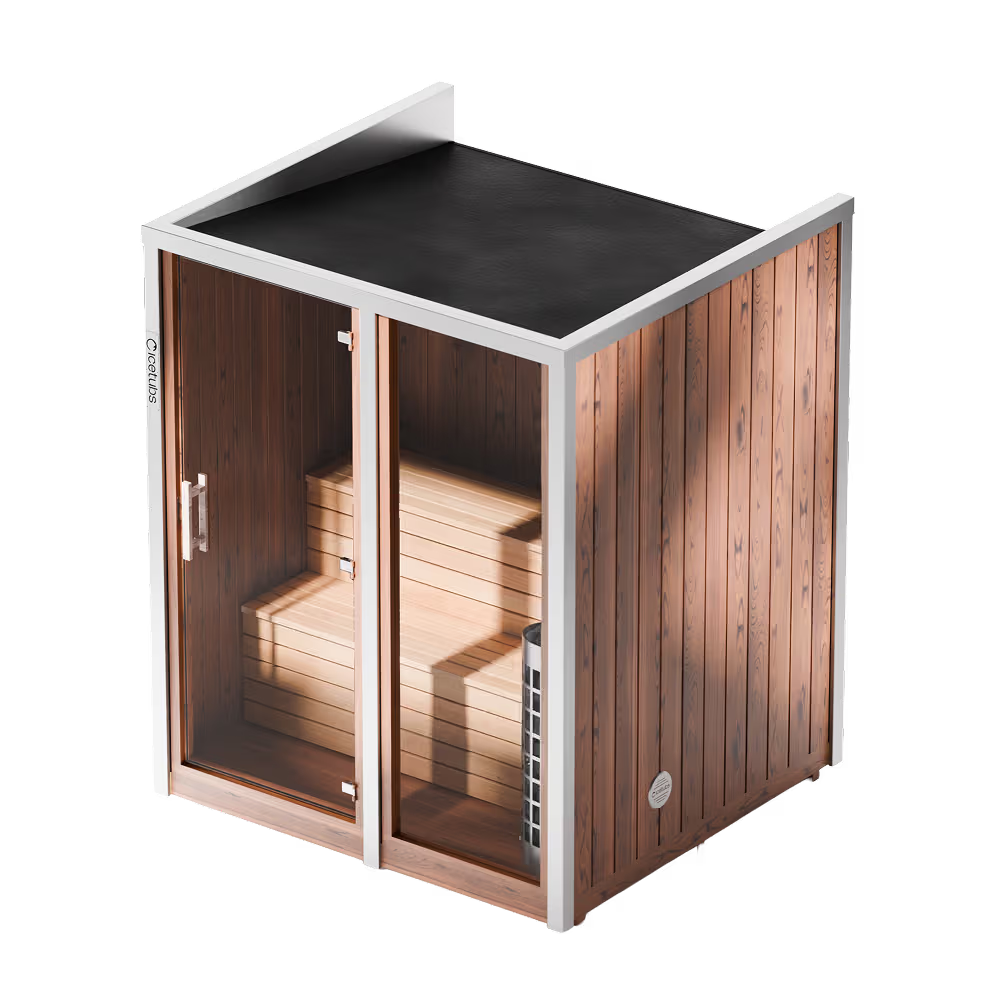
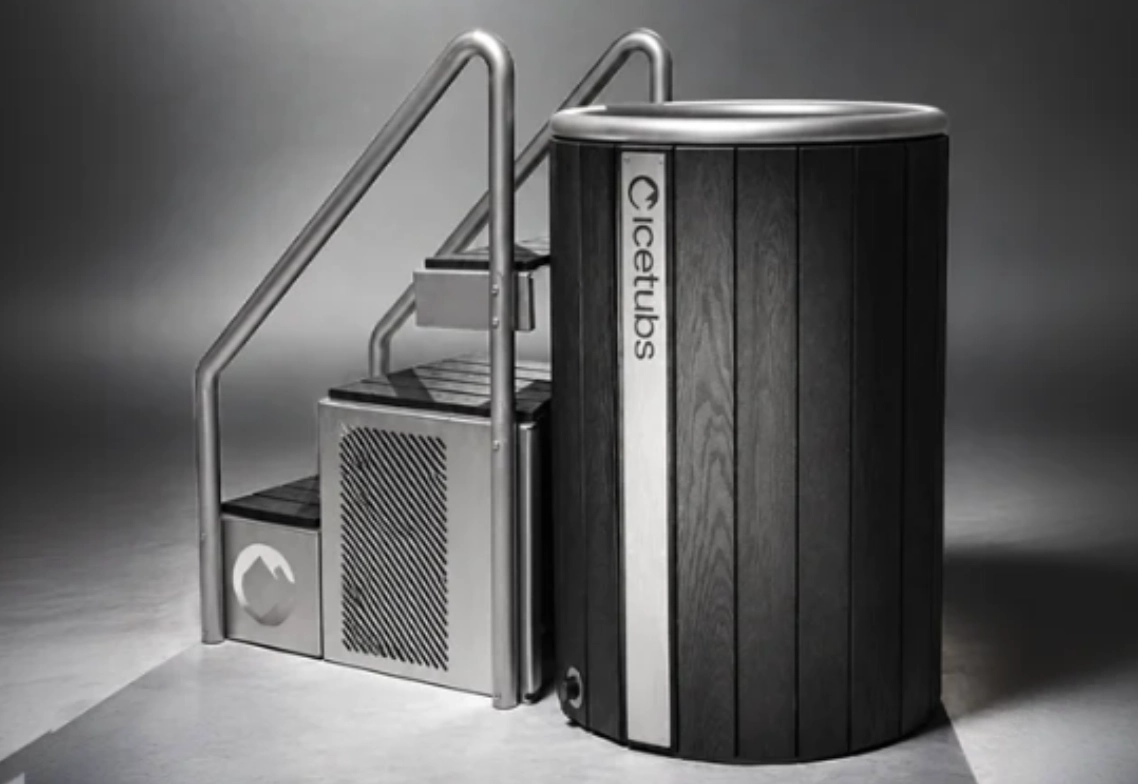
Icetubs offers both sides of this approach through its IceBarrel, IceBath, and Sauna 2.0, with a dedicated Contrast Bundle designed to combine hot and cold therapy. The IceBarrel can also be equipped with a heater to reach temperatures up to 38°C.
If you want to understand why this pairing works so well, Sauna and Cold Plunge: Why This Combo Works covers it in more detail.
That makes it possible to build a contrast routine without treating the sauna and plunge as completely separate experiences.
Add the Basics Before the Extras
The foundation of recovery is still straightforward.
Hydration.
Adequate nutrition.
Sleep.
Movement.
Appropriate training load.
Cold plunging, compression, massage, red light, and supplements can complement those basics, but they cannot compensate for consistently poor recovery habits.
Think of complementary therapies as layers.
You do not need every layer.
Choose the ones that address your actual needs.
For example, mobility work may make more sense after training than adding another piece of recovery technology.
A balanced meal may matter more than another supplement.
And sometimes the best recovery intervention is simply getting enough sleep.
Make the Stack Practical
A recovery stack only works if you can maintain it.
That means considering timing, convenience, cost, and how each therapy affects the next.
If you combine several treatments, avoid turning every training day into a two-hour recovery project.
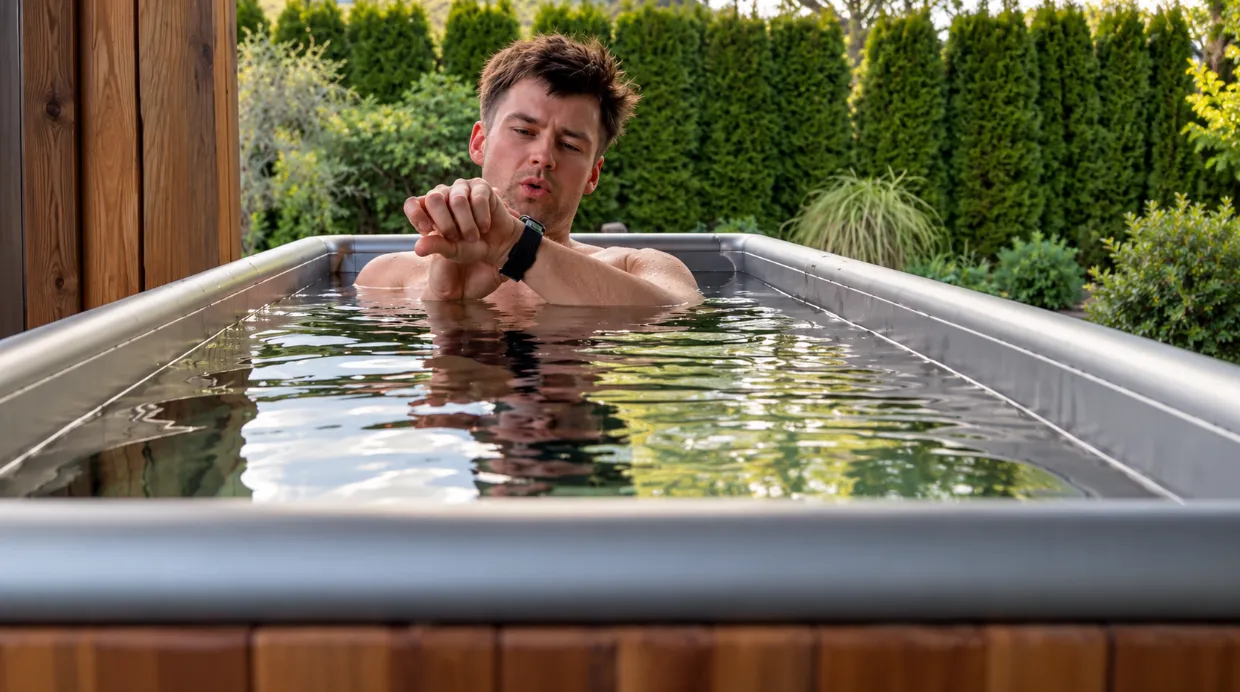
Cold exposure can be particularly easy to integrate when the equipment is ready to use.
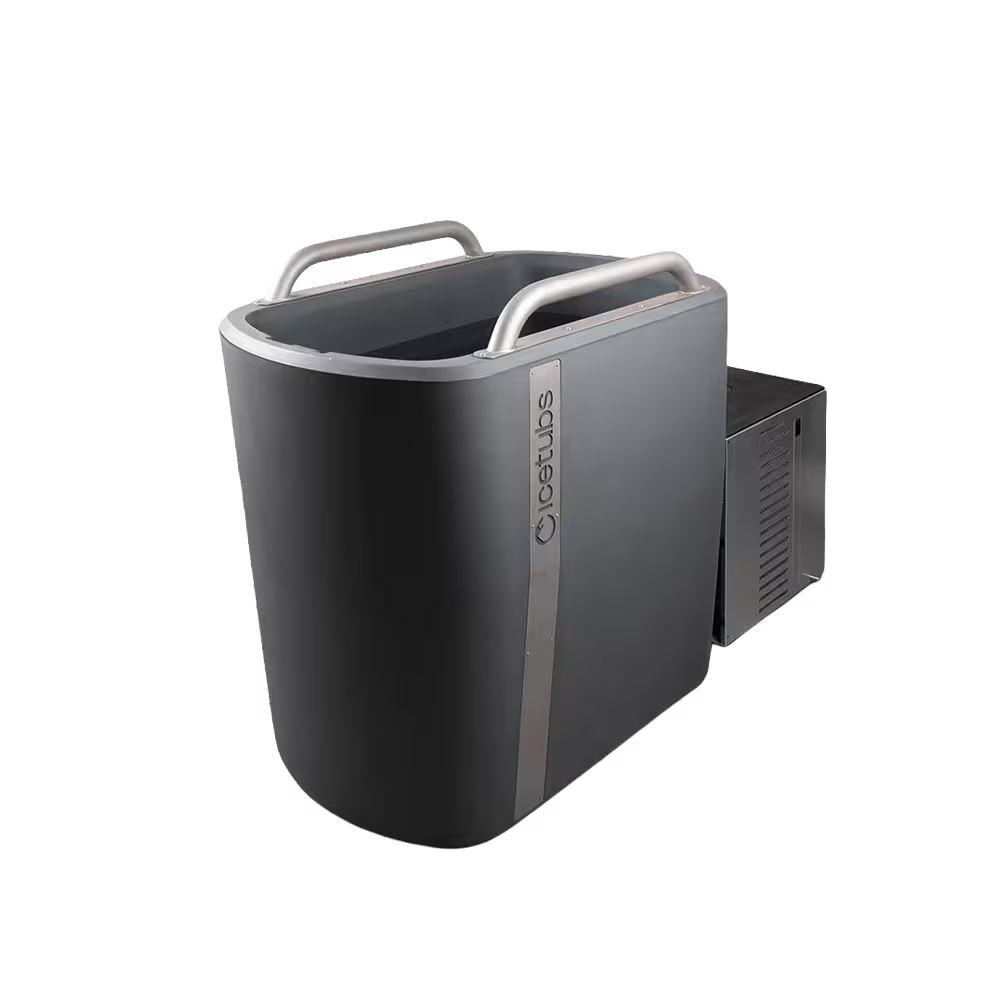
Icetubs' systems maintain controlled water temperatures without requiring bags of ice for every session, while app control and scheduling on compatible models can make the routine easier to manage.
The goal is not to collect recovery tools.
It is to create a routine that supports how you train and live.
A useful way to build that routine is to introduce therapies one at a time. Use cold exposure consistently before adding another intervention, then assess whether the additional practice genuinely improves your experience. This makes it easier to understand what works rather than attributing every change to the entire stack.
You can also vary the stack depending on the day. A demanding training session might call for nutrition, hydration, mobility, and cold exposure, while a lighter day may only require movement and sleep.
Your Best Recovery Stack Is Personal
There is no universal combination that works for everyone.
An athlete may prioritise cold exposure, mobility, nutrition, and sleep.
Someone focused on general wellness may prefer sauna, cold therapy, and relaxation.
Another person may get more value from massage and consistent movement.
Start with the basics.
Add one complementary therapy at a time.
Pay attention to how you respond.
Then keep the parts that genuinely improve your routine.
A smarter recovery stack is not the one with the most components.
It is the one you can use consistently and purposefully.
Explore how cold plunging can work alongside sauna, red light therapy, compression, massage, mobility, nutrition, hydration, supplements, and broader recovery routines.