





In this blogpost:
How Much Electricity Does a Cold Plunge Chiller Use?
Learn how much electricity a cold plunge chiller may use, including power ratings, insulation, climate, temperature settings, run time, and cost factors.
A cold plunge chiller uses electricity to keep water cold.
That sounds simple, but actual energy use can vary a lot. It depends on the chiller, tub size, insulation, climate, target temperature, placement, and how often the system runs.
A chiller does not usually use the same amount of power every minute of the day.
It works harder when cooling warm water down. It works less when maintaining an already cold temperature in a well-insulated setup.
Start with the Power Rating
Every chiller has a power rating.
This tells you how much power the unit can draw when operating. But the rating alone does not tell you the full running cost, because the chiller may cycle on and off depending on temperature demand.
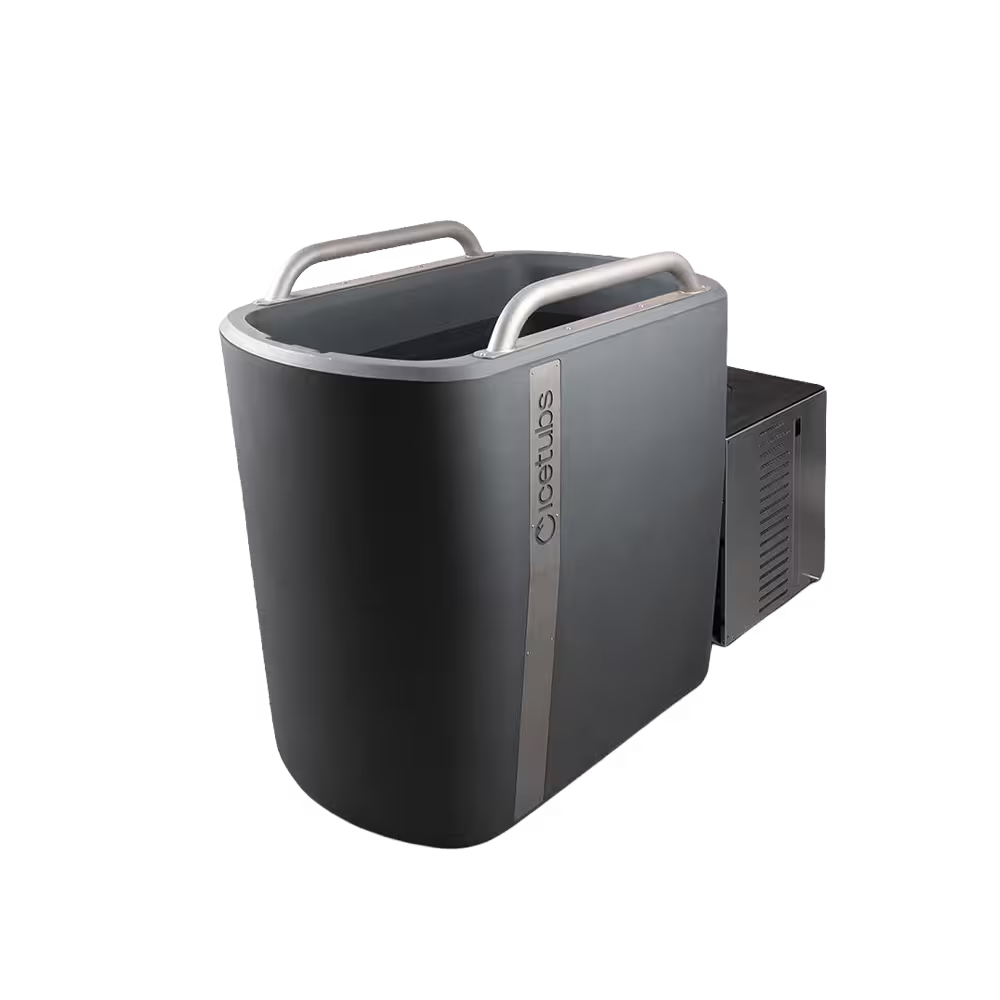
Icetubs Engine specifications include 220–230V operation, rated current of 7.5A, and maximum power input of 1.7kW.
Those numbers help you understand the electrical capacity of the unit, but real-world use depends on setup conditions.
Cooling Down Uses More Energy
The first cooling phase usually takes more work.
If the water starts warm and you want it much colder, the chiller needs to remove more heat. This can take time and energy, especially with a large tub or warm outdoor environment.
Once the water reaches the target temperature, the chiller may not need to work as hard.
Maintaining cold water is usually easier than creating cold water from warm water.
Insulation Can Lower the Load
Insulation affects electricity use.
A well-insulated tub holds temperature better, so the chiller does not need to cycle as often. A thin container, uncovered tub, or exposed outdoor setup may warm faster, which makes the chiller work more.
A lid can help.
Shade can help.
Good placement can help.
Before blaming the chiller, check whether the tub is losing cold too quickly.
Climate and Placement Matter
A chiller in a cool indoor room has an easier job than one outdoors in direct summer heat.
Airflow also matters. The unit needs space to release heat. If it is boxed in, pressed against a wall, or placed somewhere with poor ventilation, efficiency can suffer.
Where the chiller sits affects how hard it works.
Good placement can support better performance and lower unnecessary energy use.
Target Temperature Changes Demand
Lower target temperatures usually require more energy.
If you set the water very cold, the chiller has to work harder to reach and maintain that level. A moderate cold setting may be enough for many routines, especially if you are new or using the plunge for general recovery.
Colder is not always better.
A manageable temperature may be safer, more repeatable, and more energy-conscious.
Estimate Cost Based on Use
To estimate running cost, you need three things:
• The chiller’s power draw
• How many hours it runs
• Your electricity price per kWh
The basic idea is simple: power multiplied by time gives energy use. Energy use multiplied by your electricity rate gives cost.
But the tricky part is run time.
That is why your actual bill depends on climate, insulation, temperature setting, and how often you open or use the tub.
Use Energy to Support the Habit
A cold plunge chiller uses electricity, but it may reduce ice cost, travel time, and setup effort.
The real comparison is not only energy. It is the full cost of maintaining the routine.
If the chiller helps you use the plunge consistently without constant ice runs, the convenience may be worth the trade-off.
For more on sizing, setup, smart features, and maintenance, visit Cold Plunge Chillers: Complete Buyer’s & Setup Guide.