





In this blogpost:
Cold Plunges for DOMS: Can They Ease Muscle Soreness?
Learn how cold plunges may help with DOMS, when to use them, what they can and cannot do, and how cold exposure fits into your recovery routine.
Delayed onset muscle soreness, or DOMS, is familiar territory if you train hard.
You finish a demanding workout feeling fine, only to wake up the next morning with stiff, heavy, uncomfortable muscles. The soreness can become even more noticeable over the following day.
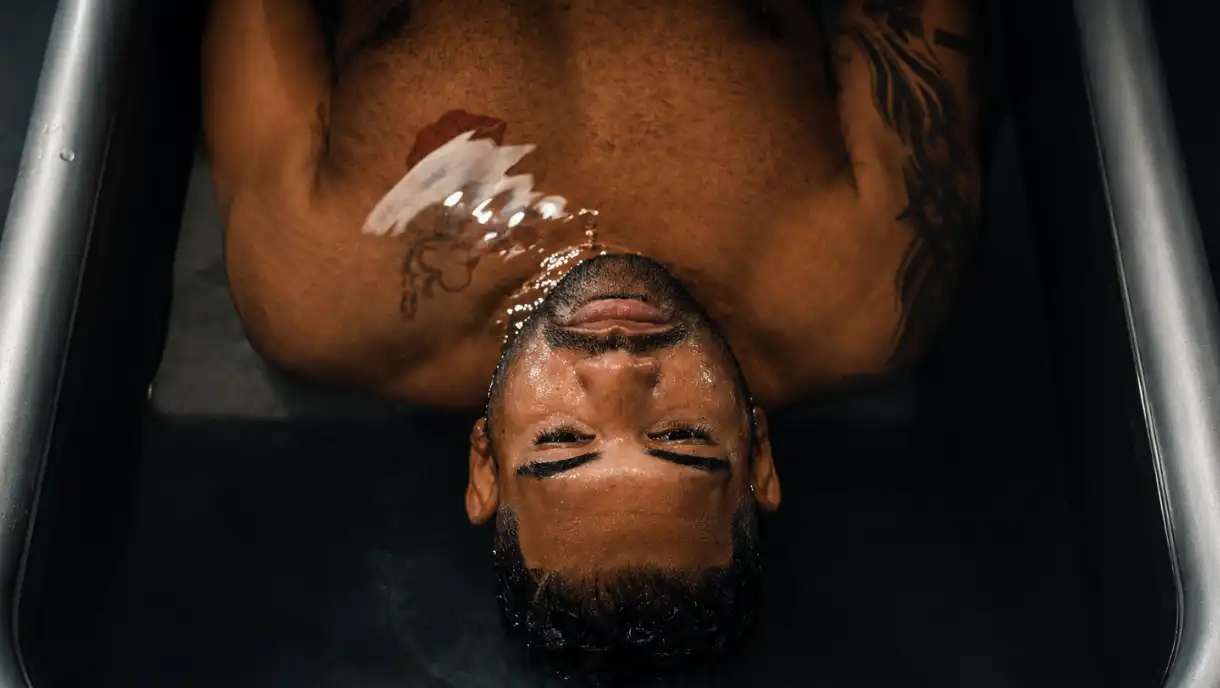
Cold plunging is one approach athletes use to manage that feeling.
But there is an important distinction between reducing soreness and speeding up the underlying muscle recovery process.
What Causes DOMS?
DOMS usually develops after unfamiliar or particularly demanding exercise.
Eccentric movements, such as lowering a heavy weight or running downhill, can place substantial stress on your muscles. Small amounts of muscle damage and the body's inflammatory response contribute to the soreness that appears later.
The discomfort is different from the immediate fatigue you feel during a workout.
You may feel perfectly capable of training when you finish, only for soreness to appear several hours later.
How Does Cold Affect Soreness?
Cold water immersion changes several physiological processes.
Blood vessels constrict, tissue temperature falls, and sensory nerve activity changes. These effects can temporarily alter how you perceive pain and discomfort.
That is one reason you may step out of a cold plunge feeling less sore than before you entered.
Cold exposure can therefore be useful when your main concern is how your muscles feel after demanding exercise.
It does not mean the underlying biological processes have disappeared.
Can Cold Plunging Help With DOMS?
Cold-water immersion has been widely used for post-exercise soreness, particularly among athletes who need to perform again relatively soon.
The potential advantage is practical.
If your legs feel less painful after a hard training session, you may find normal movement easier and feel more prepared for the next activity.
That can be particularly relevant during competitions, tournaments, training camps, or periods of high workload.
When Should You Plunge?
Timing depends on what you are trying to achieve.
If soreness management is the priority, cold exposure is generally considered after demanding exercise rather than immediately before it.
You may also choose to use it later in the day if that fits your schedule better.
There is no requirement to plunge immediately after putting down your weights or crossing the finish line.
The more important question is whether the cold session supports what comes next.
Does Less Soreness Mean Faster Recovery?
Not necessarily.
This is one of the most important distinctions to understand.
Cold can influence the perception of soreness, but feeling better does not automatically mean that every aspect of muscle recovery has happened faster.
Your muscles still need adequate nutrition, sleep, hydration, and time.
Think of cold exposure as one recovery tool rather than the entire recovery process.
What About Strength Training?
If you are primarily training for muscle growth, you may want to be more selective.
Some of the processes involved in inflammation and muscle signalling contribute to training adaptation. Regularly using cold immediately after resistance training may interfere with some of these adaptations.
That does not mean you cannot use cold if you lift weights.
It means you should consider your priorities.
If reducing soreness between important sessions matters more than maximising every adaptation from a particular workout, cold may have a useful role.
Making DOMS Management More Consistent
One advantage of a controlled cold plunge is repeatability.
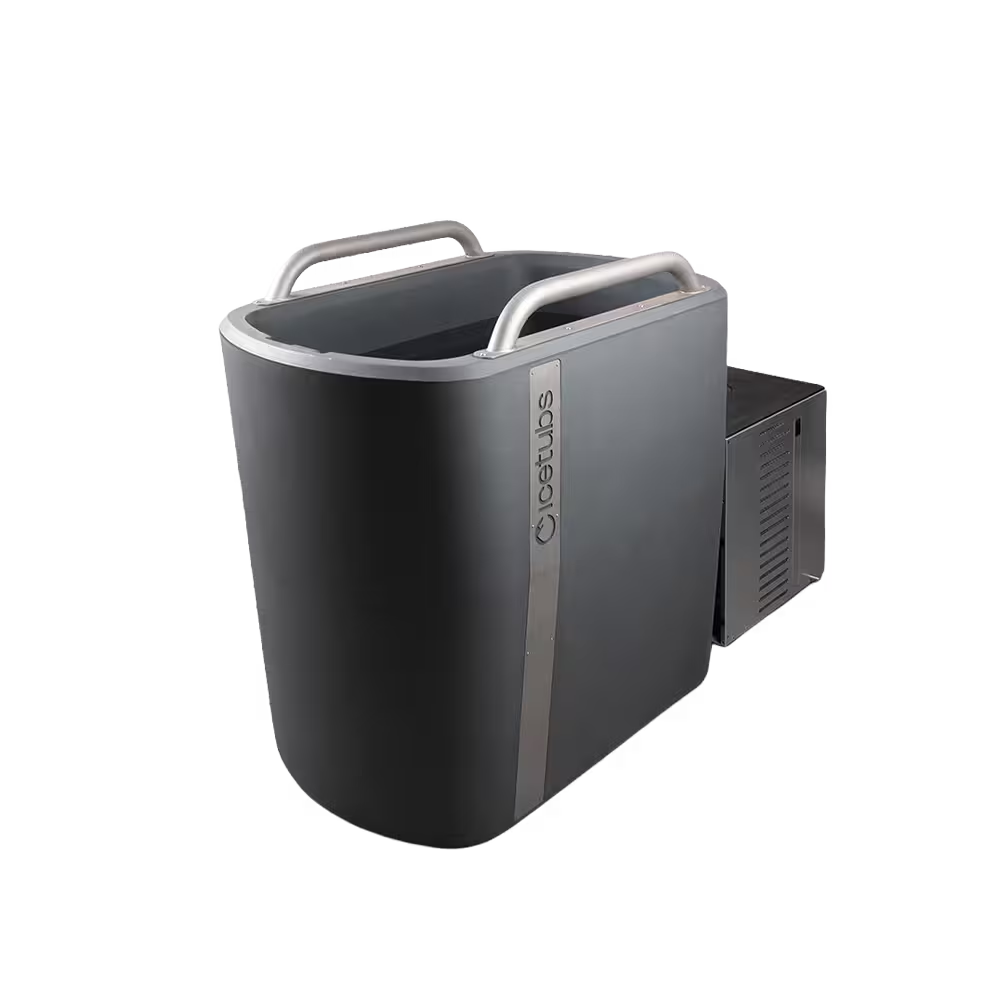
Icetubs allows you to set the water temperature, giving you a consistent environment when you want to compare how different sessions affect your soreness and recovery.
You are not guessing how much ice to add or dealing with a different water temperature every time.
That makes it easier to develop a routine around your training rather than treating every cold session as a completely different experience.
Cold Is Only One Part of Recovery
DOMS is normal.
You do not need to eliminate every sensation of soreness to make progress.
Your bigger recovery strategy should still include adequate sleep, nutrition, hydration, sensible training loads, and rest.
Cold plunging can complement those fundamentals, particularly when you want to manage how you feel after demanding exercise.
For the bigger picture on using cold exposure around training, continue with Cold Plunge for Athletic Recovery: How to Use It Effectively