





In this blogpost:
Cold Plunge in Winter: How to Keep Your Outdoor Setup Ready
Planning to use a cold plunge outdoors in winter? Learn how cold weather affects your setup, water, maintenance, access, and daily plunging routine safely.
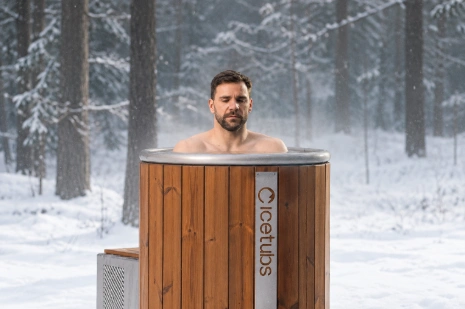
Winter can make an outdoor cold plunge particularly appealing.
The colder air creates a different experience, while a regular plunge can become a deliberate part of your morning or recovery routine.
But winter also changes how you need to manage an outdoor setup.
Freezing temperatures, rain, snow, wind, and reduced daylight can all affect the equipment and the area around it.
Pay Attention to Water Temperature
Cold outdoor conditions can cause your plunge water to become significantly colder than usual.
That may sound appealing, but you do not need to chase the lowest possible temperature.
A controlled and repeatable exposure is generally more practical than allowing the weather to determine how cold the water becomes.
If your plunge is exposed to freezing conditions, follow the manufacturer's operating guidance for your equipment and climate.
Protect Plumbing and Equipment
Freezing conditions deserve particular attention.
Water expands when it freezes, which can potentially damage plumbing and other components.
If temperatures regularly fall below freezing where you live, check whether your setup is designed to operate in those conditions.
For prolonged freezes, follow the appropriate winterisation procedure rather than assuming the equipment can simply remain outside.
For the full step-by-step process, see How to Winterize & Store Your Cold Plunge Tub.
Use a Cover
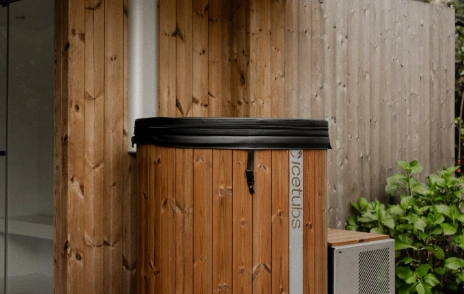
A cover becomes particularly useful during winter.
It helps keep leaves, rain, snow, and other debris out of the water when the plunge is not being used.
That means less cleaning and fewer materials entering the tub.
If snow accumulates on the cover, follow the manufacturer's guidance for removing it and avoid allowing excessive weight to build up.
Watch the Area Around the Tub
Winter conditions can make the surrounding area more difficult to use.
Rain, frost, condensation, and splashed water can create slippery surfaces.
A stable, non-slip path between your home and the plunge is worth planning, particularly if you use it early in the morning.
Keep towels, robes, and dry footwear nearby so you can move comfortably after getting out.
Make the Routine Simple
Winter mornings are not ideal for complicated preparation.
If using the plunge requires carrying equipment outside, clearing debris, and preparing everything from scratch, the routine can quickly become inconvenient.
Keep the essentials close.
Towels.
Robes.
Dry footwear.
Lighting.
A place to stand after getting out.
The fewer steps involved, the easier it is to maintain the habit.
Icetubs and Winter Use
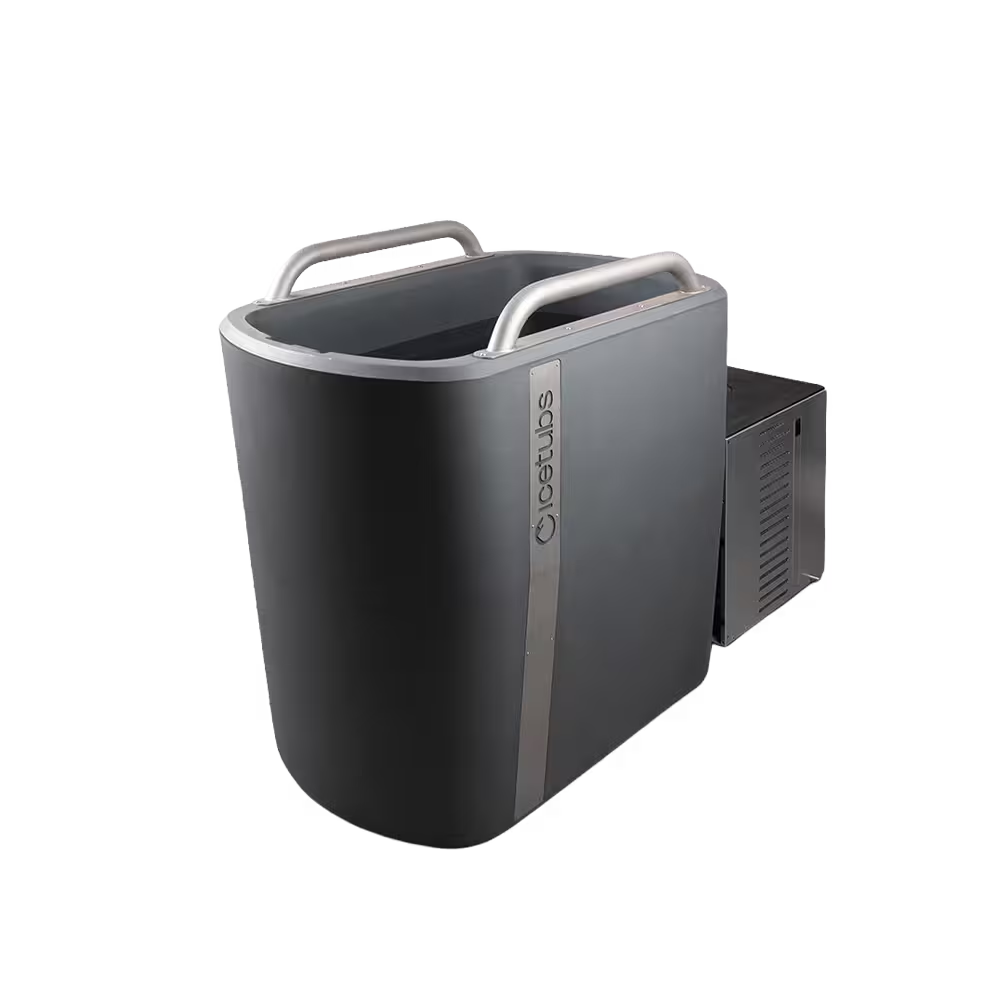
The Icetubs Engine gives you control over water temperature rather than requiring you to rely entirely on outdoor conditions.
That can help keep your exposure more consistent when winter temperatures change from day to day.
You should still follow the operating and maintenance guidance for your specific setup, particularly during prolonged freezing weather.
What About Snow?
Snow itself is not necessarily the biggest concern.
The more important issue is what happens when it melts.
Blocked drainage can create standing water around the plunge, which may then freeze and become slippery.
Keep drainage clear and make sure water can move away from the tub.
Clear accumulated snow carefully without damaging equipment or connections.
Don't Turn Winter Into a Competition
Winter already provides plenty of cold.
You do not need to stay in longer or lower the temperature simply because the weather makes it possible.
The purpose of a cold plunge is controlled exposure.
If conditions become unsafe or your equipment is not designed for the temperatures you are experiencing, skip the session and protect the setup.
Keep Your Setup Ready
An outdoor cold plunge can work throughout winter when the surrounding environment is planned properly.
Protect the equipment, manage water temperature, keep drainage clear, and make access safe.
The cold outside can be part of the experience.
It should not be the thing that determines whether your setup works.
For the complete framework on planning an outdoor cold plunge, including location, drainage, weather protection, and year-round use, continue with Outdoor Cold Plunge: How to Plan the Right Setup