





In this blogpost:
Cold Plunge for Weight Loss & Metabolism
Learn how cold plunging may affect sleep, when to schedule evening sessions, and how to build a calmer nighttime routine for better rest.

Cold plunging is often linked with metabolism.
The idea is simple: when the body meets cold, it has to respond. It works to maintain temperature. It becomes more alert. It may use more energy in the process.
But weight loss is more complex than a cold plunge session.
Cold water can be part of a healthy routine, but it should not be treated as a shortcut.
What Cold Does to the Body
When you enter cold water, the body reacts quickly. Blood vessels narrow. Breathing changes. The nervous system becomes more alert.
The body also works to preserve heat. This process may increase energy use for a short period, especially as the body warms itself afterwards.
This is why cold exposure is often discussed in relation to metabolism.
But a temporary response is not the same as guaranteed fat loss.
The Role of Brown Fat
Brown fat, or brown adipose tissue, helps the body produce heat. Cold exposure may activate this tissue, which is why researchers have studied the relationship between cold, energy expenditure, and metabolic health.
Some evidence suggests cold exposure may influence metabolic markers, but the research is still developing. Current findings do not support cold exposure as a standalone weight-loss solution.
That distinction matters.
Cold plunging may support a wider wellness routine, but it cannot replace nutrition, movement, sleep, and long-term consistency.
Keep Expectations Realistic
A cold plunge may feel intense, but intensity does not always equal major calorie burn.
The session is usually short. The body does respond, but the total effect on weight depends on many other factors. Food intake, training, stress, sleep, hormones, and daily movement all matter.
If cold plunging makes you feel more focused, disciplined, or motivated to care for your body, it may indirectly support better habits.
That is different from saying the cold plunge causes weight loss by itself.
Use Cold as a Supportive Ritual
Cold water can be useful because it creates structure.
A morning plunge may help some people start the day with intention. A post-training plunge may feel like a recovery ritual. A regular routine may help build discipline.
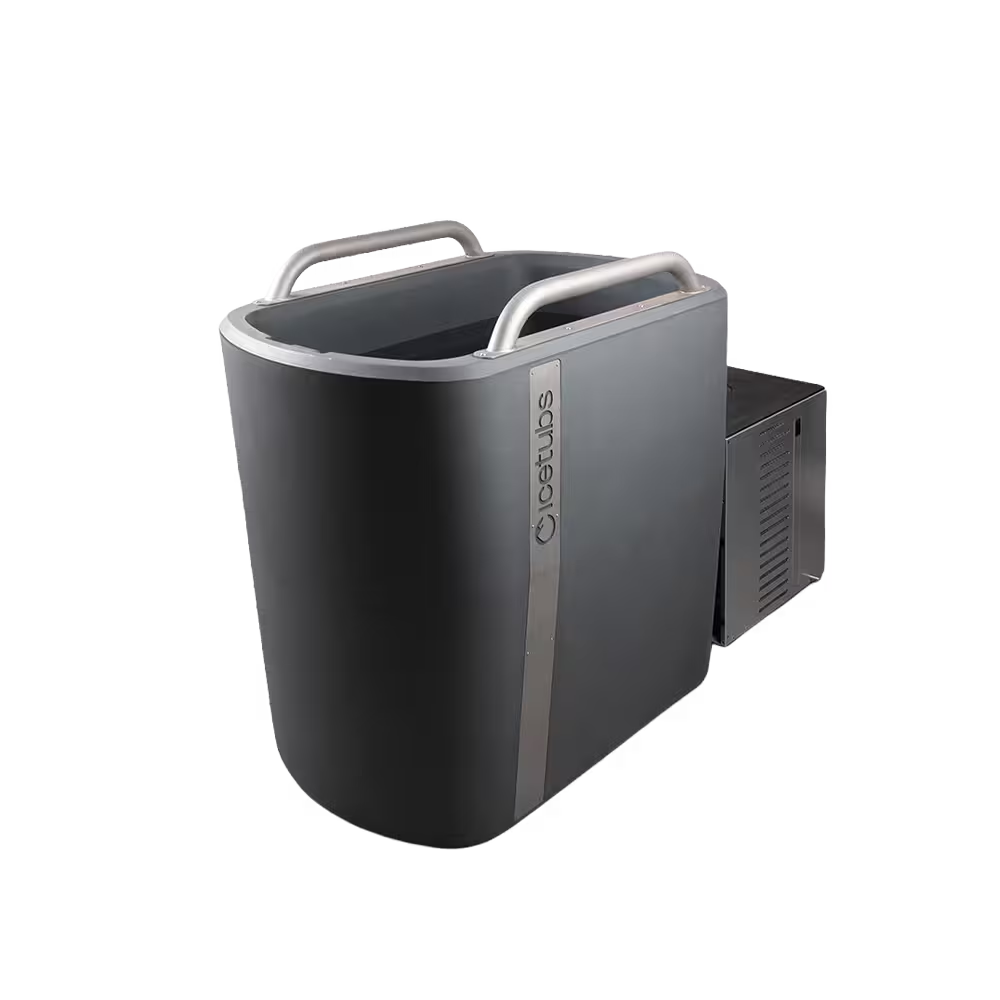
The IceBath uses the Icetubs Engine™ to keep water cold without ice, with cooling down to 3°C and app or display control, which can make repeated sessions easier to plan.
This matters because consistency is often more important than intensity.
Do Not Chase Extremes
Colder is not always better. Longer is not always better.
If your goal is metabolism or weight management, the routine still needs to be safe and repeatable. Pushing too hard can create stress, discomfort, or inconsistency.
Start with manageable cold. Keep sessions short at first. Notice how you feel after. Build gradually.
A sustainable habit is more valuable than an extreme session you do once and avoid afterwards.
Pair It with the Basics
Cold plunging works best when it sits beside the fundamentals.
Move regularly. Eat in a way that supports your goals. Sleep well. Manage stress. Stay hydrated. Give the body time to recover.
Cold water can add focus, structure, and a strong physical reset. But the foundation still matters most.
See Metabolism as Part of the Bigger Picture
Cold plunging may play a role in metabolic wellness, but it should be understood with balance.
It is not a magic weight-loss method. It is a practice that may support energy, discipline, recovery, and body awareness when used consistently.
For a broader way to build cold exposure into your life, continue with Cold Plunge Methods & Routines: Complete Practice Guide.