





In this blogpost:
Cold Plunge for Everyone: How to Match the Practice to Your Body and Goals
Explore who can benefit from cold plunging, from beginners and athletes to women, men, seniors, stress relief, recovery, and immune support safely at home.
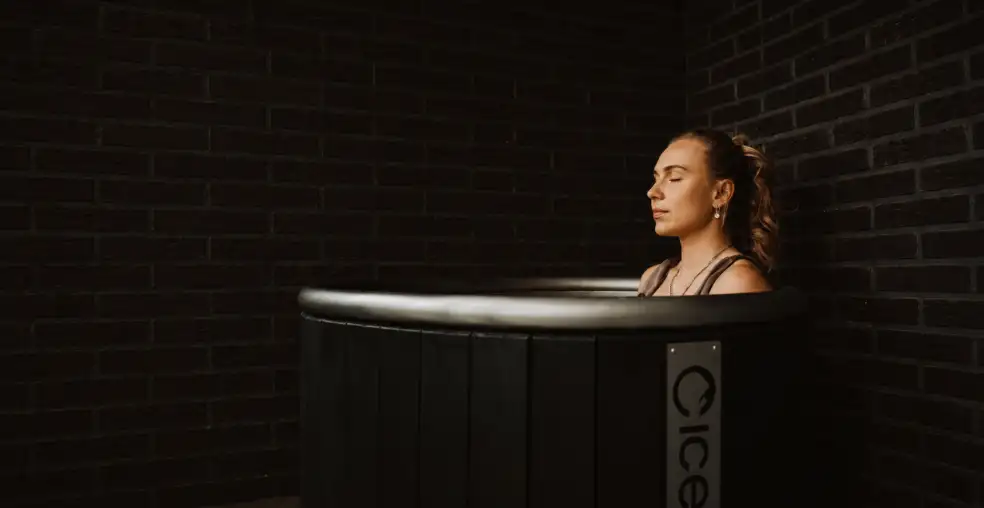
Cold plunging can look the same from the outside.
You step into cold water.
You breathe through the first shock.
You stay for a short time.
You step out.
But the reason behind the practice can be very different.
For one person, cold water is about recovery after running. For another, it is a morning ritual. For someone else, it is a way to manage stress, build discipline, or feel more connected to the body during a changing season of life.
That is why cold plunging should not be treated as one routine for everyone.
It works best when it is shaped around you.
Start with What You Want to Support
Before asking how cold or how long, ask why.
Do you want better recovery?
More focus?
A calmer stress response?
A ritual after training?
A gentle way to build resilience?
Your goal changes the way you practise.
If you want recovery, timing around workouts matters. If you want mental clarity, a morning plunge may feel better. If you want stress relief, breath and a slow entry may matter more than temperature.
The cold is only one part of the practice. The intention gives it direction.
Women May Need a More Responsive Routine
Women may experience cold plunging differently across the month, especially around menstruation, hormonal shifts, energy levels, and stress.
Some women may enjoy cold plunging during their period. Others may prefer shorter sessions, warmer temperatures, or a pause when cramps, heavy flow, migraines, or fatigue are present.
The better approach is not to force consistency at all costs. It is to stay responsive.
A cold plunge routine can still be steady while adapting to how your body feels.
Menopause Calls for Gentle Awareness
During menopause and perimenopause, the body can move through hot flashes, sleep disruption, mood changes, joint discomfort, and stress.
Cold water may feel refreshing for some women, especially when heat and discomfort are part of the day. But the routine should stay gentle and personal.
A short, controlled plunge may feel more supportive than chasing extreme cold.
If menopause symptoms are intense, or if you have cardiovascular or blood pressure concerns, speak with a healthcare professional before making cold plunging part of your routine.
Athletes Need to Think About Timing
Runners, weightlifters, and strength athletes often approach cold plunging through recovery.
Cold water may help reduce soreness after hard sessions, especially after endurance training or high-volume exercise. But timing matters more for strength athletes. If your goal is muscle growth, you may not want to use cold immersion automatically after every heavy lifting session.
The practice should support the training goal, not interrupt it.
Use cold water as one recovery tool, not the whole recovery strategy.
Beginners Should Keep It Simple
If you are new, do not start with the hardest version.
A moderate temperature, short session, slow entry, and steady breathing are enough. The goal is to learn your body’s response.
Icetubs beginner guidance often points toward manageable cold, gradual progression, and listening to your body before increasing intensity.
That is the right mindset for any audience.
Start with control. Build confidence. Let the routine grow slowly.
Cold Water Can Support Mind and Mood
Cold plunging can feel mental as much as physical.
The first moments ask you to stay present. The breath becomes an anchor. The body reacts, but you practise staying calm.
For stress and anxiety, this can become a useful ritual. Not because cold water replaces professional care, but because it can create a structured moment of attention, breathing, and reset.
Some people use cold plunging as a quiet pause in the day.
A way to return to themselves.
Let the Practice Fit the Person
Cold plunging is not only for athletes. It is not only for biohackers. It is not only for people chasing extremes.
It can be shaped for women, men, beginners, runners, lifters, seniors, and people looking for stress relief or a stronger wellness rhythm.
The best routine is the one that meets your body honestly.
Start where you are. Adjust as you learn. Let cold water become a practice that supports your goals, not a test you have to pass.