





In this blogpost:
Cold Plunge and Heart Health: What to Consider First
See how cold plunging affects the heart, who should be careful, and why slow entry, moderate cold, and medical advice can matter before starting.
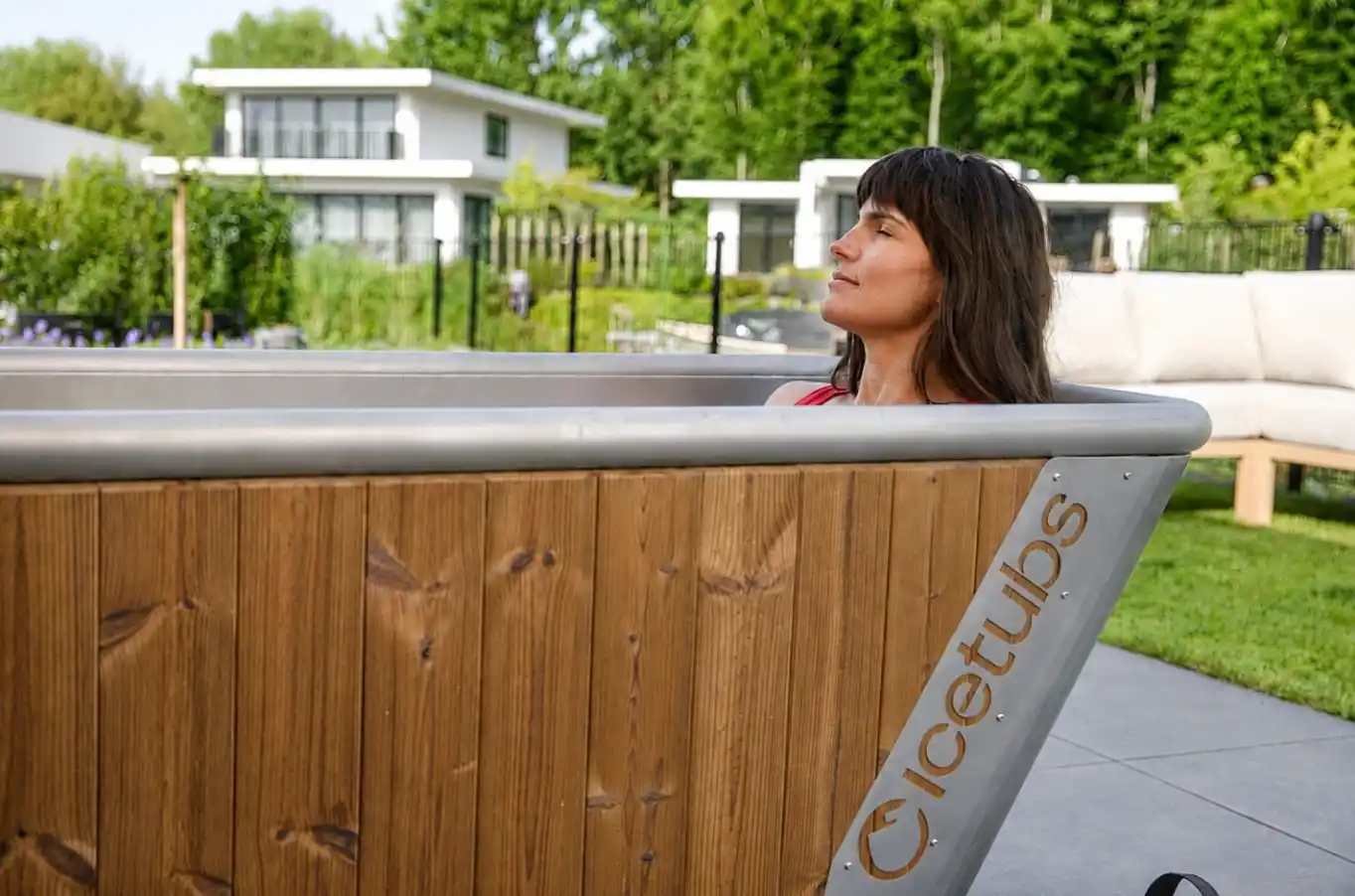
Cold water asks the heart to respond.
The moment the body enters cold water, the nervous system becomes alert. Blood vessels narrow. Breathing changes. Heart rate and blood pressure may rise.
For some people, this response feels energising and manageable. For others, especially those with heart or blood pressure concerns, it may carry risk.
That is why the question is not simply whether cold plunging is safe.
The better question is: safe for whom, and under what conditions?
The Heart Reacts Quickly to Cold
Cold water creates a sudden physical demand.
The body tries to protect its core temperature. Blood flow shifts. The heart works harder. The first moments can feel intense because the cold shock response may bring gasping, rapid breathing, and cardiovascular strain.
This is why slow entry matters.
A dramatic plunge may look impressive, but controlled entry is safer. Give the body time to respond. Keep the head above water at first. Let the breath settle before thinking about how long to stay.
Fitness Does Not Remove All Risk
Being active or fit does not mean the heart is immune to cold stress.
A person may train regularly and still react strongly to cold water. Stress, poor sleep, dehydration, alcohol, illness, and fatigue can all change how the body responds on a given day.
Cold plunging should be treated as a practice, not a performance.
If a session feels unusually hard, shorten it. If breathing feels out of control, leave the water. If chest discomfort appears, stop immediately and seek medical guidance.
Heart Conditions Need Medical Advice
People with known heart conditions should not treat cold plunging casually.
This includes people with arrhythmias, previous heart attacks, chest pain, heart disease, or other cardiovascular concerns. The same applies to people with uncontrolled high blood pressure.
If you have a heart condition, irregular heartbeat, chest pain, or high blood pressure, medical guidance should come before cold exposure.
The cold is not just a sensation on the skin. It affects the whole system.
Keep the Temperature Manageable
Very cold water creates a stronger response.
For beginners, moderate cold is usually the better starting point. You do not need the coldest possible water to create a meaningful routine.
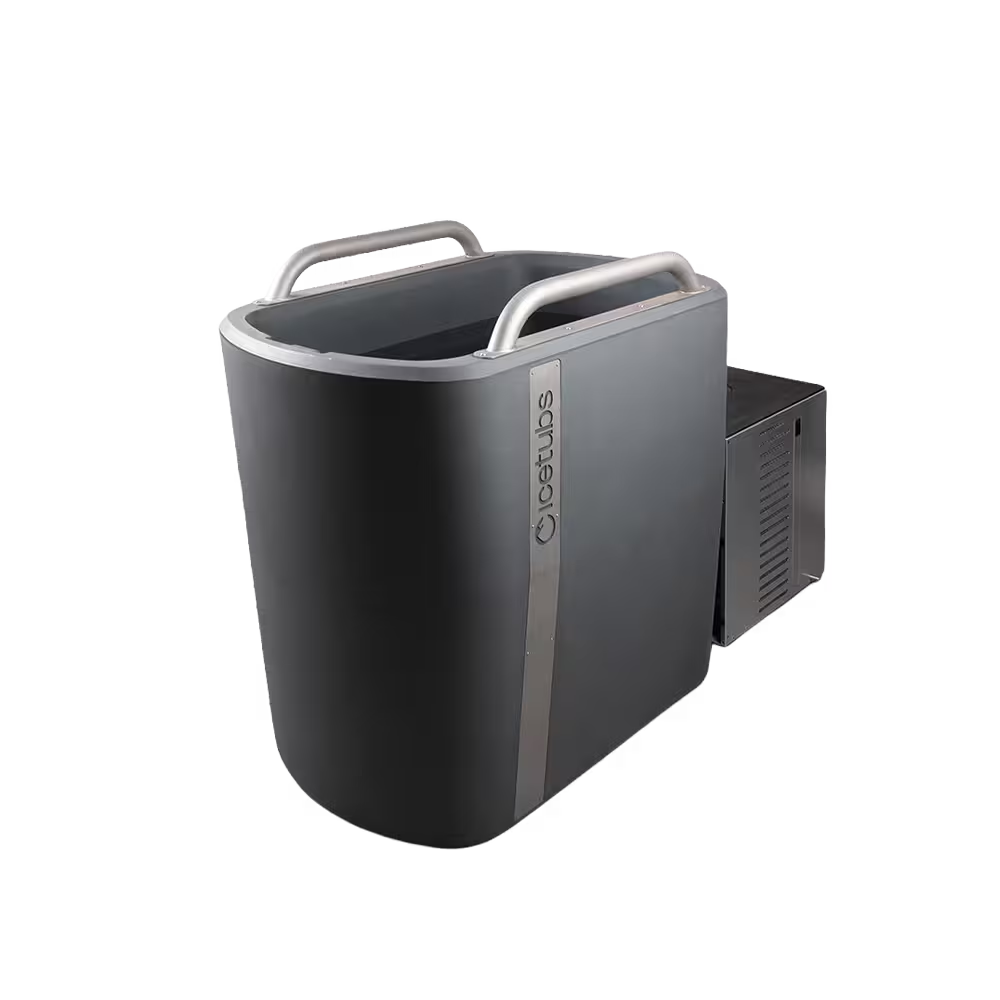
A temperature-controlled setup can help reduce guesswork. The IceBath, for example, can be adjusted through the app or display, with cooling down to 3°C and optional heating up to 38°C.
That range does not mean everyone should start very cold. It means the session can be set more deliberately, which matters when safety and progression are priorities.
Avoid Risky Situations
Certain situations make cold plunging more risky.
Avoid cold plunging after alcohol, when feeling ill, when dehydrated, or when alone as a beginner. Do not combine intense breathwork with being in the water. Do not stay in because of ego, pressure, or a timer.
The heart responds best when the whole routine is calm.
Prepare the space. Enter slowly. Keep the session short. Warm up gradually.
Watch the Warning Signs
Stop immediately if you notice chest pain, dizziness, faintness, confusion, severe breathlessness, irregular heartbeat sensations, or loss of coordination.
These signs should not be pushed through.
A safe practice depends on knowing when to stop. The body may adapt over time, but adaptation should never be forced.
Respect Makes the Practice Stronger
Cold plunging and heart health require balance.
The cold can be part of a wellness routine, but it should never be treated as harmless for everyone. The cardiovascular response is real, and personal health history matters.
If your heart health is uncertain, ask a healthcare professional first.
A safe cold plunge is not the one that looks most intense. It is the one you can enter, manage, and leave with control.
For more beginner-focused safety habits, use Cold Plunge Safety: Complete Guide to Risks & Best Practices as your next reference.