





In this blogpost:
Can Cold Plunging Help With Seasonal Affective Disorder?
Explore whether cold plunging can support wellbeing during seasonal changes, and how it compares with established approaches for seasonal affective disorder.
Seasonal changes can affect more than the weather.
For some people, shorter days and reduced daylight bring changes in mood, energy, sleep, motivation.
This can be especially difficult during winter, when routines naturally turn indoor.
Cold plunging may be interesting as part of a broader wellness routine — but it is important to distinguish general wellbeing from treatment for seasonal affective disorder, or SAD.
What Is SAD?
Seasonal affective disorder is a form of depression that follows a seasonal pattern.
It can involve persistent low mood, reduced interest in activities, changes in sleep, appetite, energy, and concentration. Because it is a recognised mental health condition, it deserves more than a collection of wellness tips.
If you think you may have SAD, speaking with a qualified healthcare professional is more appropriate than managing it entirely through lifestyle experiments.
Where Does Cold Exposure Fit?
Cold exposure creates a strong physical stimulus.
You become highly alert, focus on your breathing, experience a clear change in sensation, which can feel refreshing during a period when you are spending more time indoors and moving less.
But feeling refreshed after a plunge is not the same as treating seasonal depression.
Cold exposure should be considered a complementary wellness practice. The immediate physiological response to cold can be stimulating, which may make a morning plunge feel especially appealing during darker months.
But stimulation is not treatment.
A temporary lift in alertness does not mean an underlying seasonal mood disorder has been addressed.
The Routine May Matter More Than the Cold
Winter can disrupt your normal rhythm.
You wake up when it is still dark.
You exercise less.
You spend more time indoors, losing some of the routines that normally help you feel energised.
A cold plunge can create a fixed point in your day: wake up, plunge, get dressed, go outside, start the day. The structure itself is useful.
For ideas on building that structure, see Daily Cold Plunge Routine: Beginner to Advanced.
If seasonal mood changes are a concern, daylight exposure is particularly relevant. Getting outside during daylight hours reinforces your daily rhythm, and exercise, regular sleep, social connection, and other established approaches matter too. Cold exposure should sit alongside these habits, not replace them.
Keep It Flexible and Convenient
Winter can also make cold exposure feel harder.
If you are already low on energy, you may not want an intense plunge.
There is nothing wrong with adjusting the routine — shorten the session, choose a milder temperature, skip it entirely when it does not feel supportive.
A cold plunge is easier to integrate when the preparation is simple.
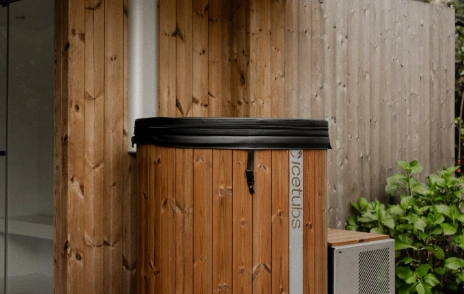
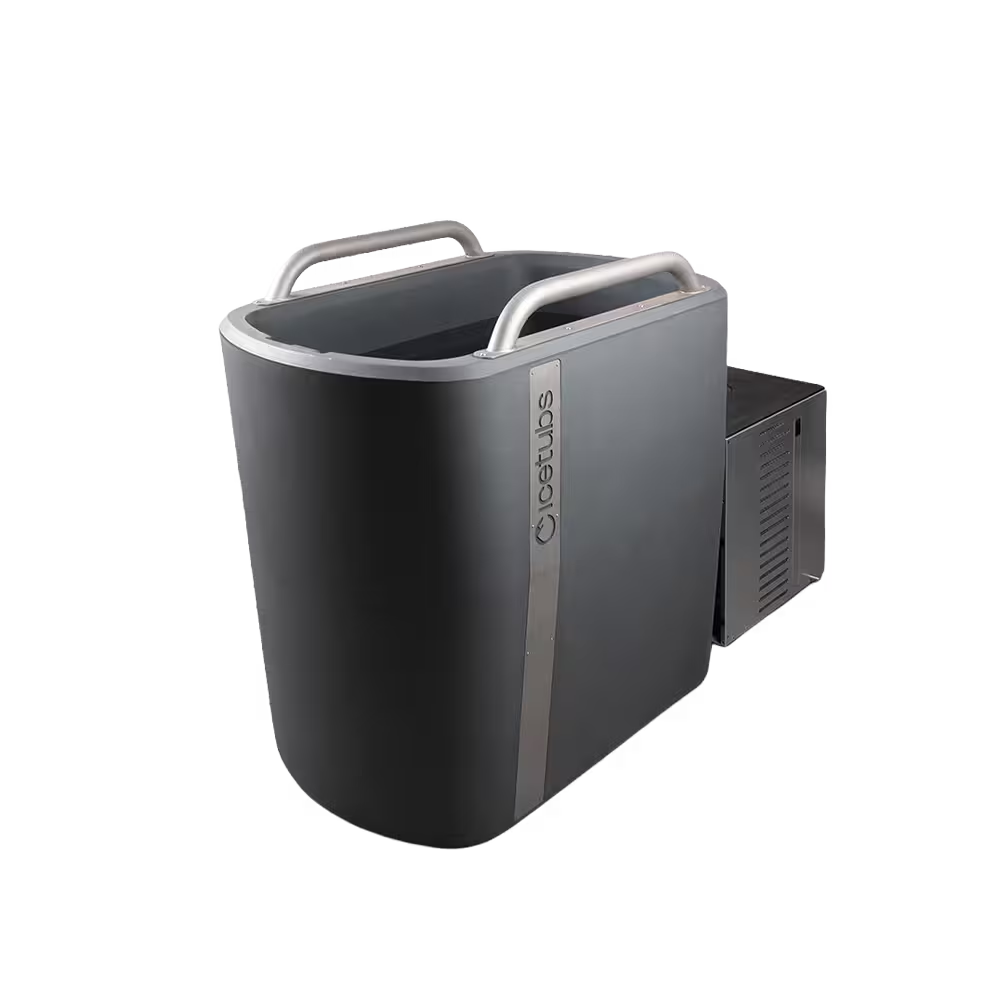
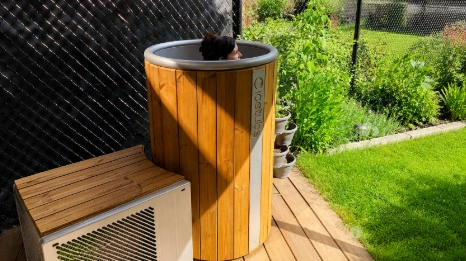
Icetubs provides controlled temperature and a ready-to-use system, so the routine does not depend on filling a tub with ice every morning, especially convenient when outdoor temperatures already make daily habits harder.
A cold plunge can provide a strong sensory reset.
SAD is a mental health condition.
Those are two different things. If you experience persistent seasonal depression, significant changes in sleep or appetite, loss of interest, or difficulty functioning, seek professional guidance and do not rely on cold exposure alone.
For the complete guide to cold exposure and mental wellbeing, including stress, mood, focus, and resilience, continue with Cold Plunge for Mental Wellbeing: How Cold Therapy May Help