



In this blogpost:
Die Wim-Hof-Methode und Eisbäder: So kombinieren Sie beides
Erfahren Sie, wie Sie die Atemtechnik nach Wim Hof und das Eisbaden sicher kombinieren – inklusive Zeitplanung, Tipps für die Routine und Anleitungen für Einsteiger.
Die Wim-Hof-Methode und das Eisbaden werden oft in einem Atemzug genannt.
Beide Praktiken basieren auf denselben Elementen: Atem, Kälte, Aufmerksamkeit und Kontrolle. Man sollte sie jedoch nicht überstürzen. Richtig kombiniert, bilden sie ein klares und fokussiertes Ritual. Unbedacht ausgeführt, können sie jedoch überfordernd wirken.
Der Schlüssel liegt im richtigen Timing.
Die Atemarbeit bereitet den Körper vor.
Das kalte Wasser stellt den Geist auf die Probe.
Die Routine führt beides bewusst zusammen.
Verstehen Sie den Unterschied zwischen beiden
Die Wim-Hof-Methode wird meist mit Atemübungen, Kälteexposition und mentalem Fokus in Verbindung gebracht. Das Eisbaden ist eine Form der Kälteexposition, aber nur ein Teil der umfassenderen Praxis.
Es ist hilfreich, beides zunächst getrennt zu betrachten.
Die Atemarbeit erfolgt vor der Kälte. Sie hilft dabei, sich zentriert und wach zu fühlen. Das Eisbad folgt danach, wenn der Körper bereit ist, der Temperatur gelassen zu begegnen.
Sie ergänzen sich gegenseitig, sollten aber nicht gleichzeitig intensiv durchgeführt werden.
Atmen Sie vorher, nicht währenddessen
Die wichtigste Regel ist einfach: Führen Sie keine intensiven Atemübungen durch, während Sie sich im Wasser befinden.
Tiefes, wiederholtes Atmen kann manchmal zu Schwindel führen. Das ist etwas, das Sie in einem Eisbad vermeiden sollten. Führen Sie intensivere Atemübungen außerhalb des Beckens in einer sicheren sitzenden oder liegenden Position durch.
Sobald Sie im Wasser sind, sollte die Atmung langsamer und ruhiger werden.
Atmen Sie sanft ein.
Atmen Sie länger aus.
Lassen Sie den Körper zur Ruhe kommen.
Das Ziel im Eisbad ist es nicht, die Atmung zu forcieren. Es geht darum, nach dem ersten Kälteschock wieder Ruhe zu finden.
Eine einfache Kombinationsroutine
Sie brauchen keine komplizierte Struktur. Eine ruhige Routine lässt sich leichter einhalten und sicherer aufbauen.
Ein einsteigerfreundlicher Ablauf könnte so aussehen:
- Setzen oder legen Sie sich bequem hin
- Üben Sie eine langsame, kontrollierte Atmung
- Halten Sie inne und kehren Sie zur normalen Atmung zurück
- Stehen Sie erst auf, wenn Sie sich sicher fühlen
- Gehen Sie langsam in das Eisbad
- Bleiben Sie nur kurz und so lange es sich gut anfühlt
- Steigen Sie aus und wärmen Sie sich auf natürliche Weise auf
Die Pause zwischen der Atemübung und dem Gang ins Wasser ist wichtig. Geben Sie Ihrem Körper einen Moment Zeit, um zur Ruhe zu kommen, bevor Sie in die Kälte gehen.
Konzentrieren Sie sich ganz auf die Kälte
Sobald Sie im Wasser sind, ändert sich die Übung.
Jetzt geht es nicht mehr um Atemtechnik, sondern um Aufmerksamkeit.
Achte auf deine erste Reaktion. Die Schultern ziehen sich vielleicht zusammen. Der Geist leistet Widerstand. Der Atem wird flacher. Anstatt dagegen anzukämpfen, verlangsame alles.
Eisbaden wird zu einer Möglichkeit, Ruhe unter Druck zu üben. Es geht nicht darum, das Unbehagen zu beseitigen. Du lernst, inmitten dessen präsent zu bleiben.
Genau hier bekommt die Methode eine tiefere Bedeutung.
Sorge für ein beständiges Setup
Beständigkeit nimmt der Routine den Schrecken. Wenn sich die Wassertemperatur jedes Mal stark verändert, muss sich der Körper bei jeder Sitzung auf eine neue Herausforderung einstellen.
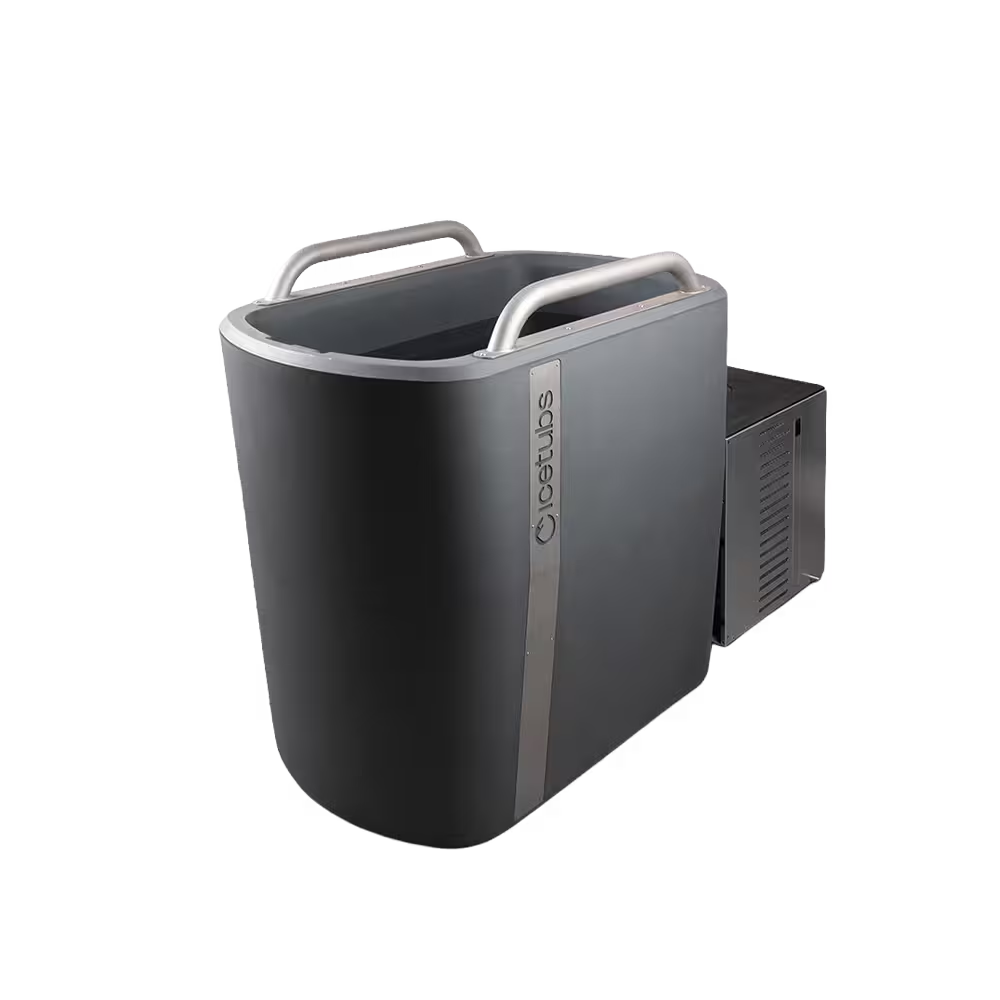
Ein kontrolliertes Setup für das Eisbad, wie etwa Icetubs, kann dabei helfen, die Routine einfacher wiederholbar zu machen, ohne dass jede Sitzung eine aufwendige Vorbereitung mit Eis erfordert.
Das bedeutet nicht, dass jedes Bad extrem kalt sein muss. Für viele Menschen ist eine gleichbleibende und gut handhabbare Temperatur hilfreicher, als ständig nach Extremen zu suchen.
Gehe schrittweise vor
Sowohl die Wim-Hof-Methode als auch das Eisbaden belohnen Geduld. Beginne mit kurzen Einheiten. Halte die Atmung einfach. Achte darauf, wie dein Körper danach reagiert.
Erhöhen Sie Zeit, Temperaturintensität und Häufigkeit nicht gleichzeitig. Ändern Sie immer nur eine Sache auf einmal.
An manchen Tagen fühlen Sie sich stark, an anderen fällt es Ihnen schwer. Das ist völlig normal. Die Routine soll Ihnen Struktur geben, keinen Druck.
Machen Sie es zur Praxis, nicht zum Test
Bei der optimalen Kombination aus Atemarbeit und Eisbad geht es nicht darum, Härte zu beweisen. Es geht darum, einen Moment der Kontrolle, Klarheit und Präsenz zu schaffen.
Atmen Sie zuerst.
Halten Sie inne.
Gehen Sie in die Kälte.
Bleiben Sie ruhig.
Steigen Sie bewusst wieder aus.
Um dies in einen umfassenderen wöchentlichen Rhythmus zu integrieren, fahren Sie fort mit Methoden & Routinen für das Eisbad: Der vollständige Praxis-Leitfaden.