




In this blogpost:
Ozone vs UV vs Chlorine: Cold Plunge Sanitation Tech Explained
Compare ozone, UV, and chlorine for cold plunge sanitation, including how each works, maintenance needs, water feel, safety limits, and practical home use tips.
Cold plunge water needs more than a low temperature.
Even cold water can collect sweat, skin oils, hair, dust, and small debris. If the tub is shared or used often, water care becomes even more important.
That is where sanitation comes in.
Filtration removes particles. Sanitation helps manage what filtration alone cannot fully handle. The most common options you may see are ozone, UV, and chlorine.
Each works differently. Each has trade-offs.
Filtration Comes First
Before comparing sanitation methods, it helps to separate two ideas.
A filter catches physical particles.
Sanitation helps manage microorganisms and water hygiene.
You usually need both.
If the water contains visible debris, sanitation alone will not make it feel clean. If the water looks clear but has no sanitation support, it may still need more frequent changes.
A good cold plunge setup should think about water care as a system, not one single feature.
How Ozone Works
Ozone is used to support water sanitation by oxidising contaminants in the water.
For home cold plunges, ozone can be attractive because it helps reduce the need for heavy chemical use when paired with good filtration, cleaning, and regular maintenance.
The water can feel cleaner and less chemical-heavy compared with traditional chlorine-based approaches.
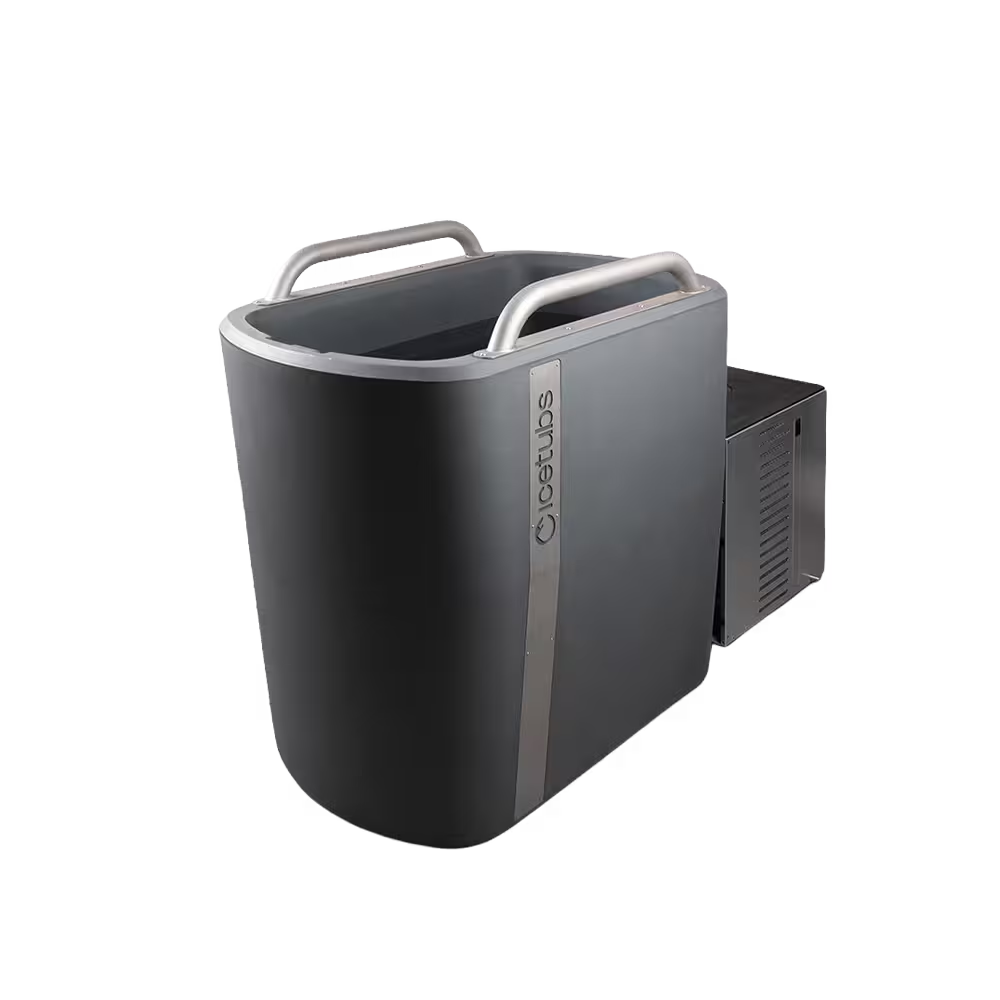
Icetubs uses ozone-supported water care in its system, which fits well for home use where you want cleaner water without turning the routine into a complicated chemical process.
Still, ozone does not mean you can ignore cleaning.
You still need to maintain filters, check water condition, and follow proper care steps.
How UV Works
UV sanitation uses ultraviolet light to target microorganisms as water passes through a UV chamber.
It does not add chemicals to the water, which can be appealing for people who prefer a low-chemical setup. It also works while the system circulates water through the UV unit.
The limitation is that UV only treats water that passes through the chamber.
It does not leave a residual sanitizer in the tub. That means water circulation, filtration, and cleaning still matter.
UV can be useful, but it should not be treated as a complete maintenance plan on its own.
How Chlorine Works
Chlorine is widely used because it can provide ongoing sanitation in water.
It can be effective, familiar, and relatively easy to test. For shared or higher-use environments, chlorine may be part of a more structured water-care routine.
The trade-off is water feel.
Some people dislike the smell, skin feel, or maintenance balancing that comes with chlorine. It also needs careful handling and correct dosing.
Too little may not do enough. Too much can irritate skin and eyes.
Which One Is Best?
There is no single answer for every setup.
For personal home use, ozone or UV may appeal if you want lower chemical exposure and simpler water feel. For commercial or shared use, sanitation requirements may be stricter and may involve different systems or chemical management.
Your choice depends on:
• How often you plunge
• How many people use the tub
• Whether the setup has filtration
• How often you change water
• Your comfort with chemical testing
• Local hygiene expectations
Keep Expectations Realistic
Sanitation technology helps, but it does not replace basic care.
Rinse before entering. Cover the tub when not in use. Clean the surfaces. Replace or maintain filters. Watch for cloudy water, odour, or buildup.
Good water care is layered.
Filtration, sanitation, circulation, and cleaning all work together.
For the full chiller, setup, and water-care overview, read Cold Plunge Chillers: Complete Buyer’s & Setup Guide.