



In this blogpost:
Keeping Your Cold Plunge Cold in Summer: What Actually Helps
Learn how to keep your cold plunge cool during summer with better placement, shade, insulation, covers, water management, and consistent maintenance.

Summer creates an obvious challenge for cold plunging.
The hotter the air and surrounding surfaces become, the harder it can be to maintain cold water, particularly when your plunge sits outdoors.
That does not mean you need to stop using it.
With the right setup, you can reduce unnecessary heat gain and make temperature management more efficient throughout the warmer months.
Start With the Location
Where you place the plunge can make a noticeable difference.
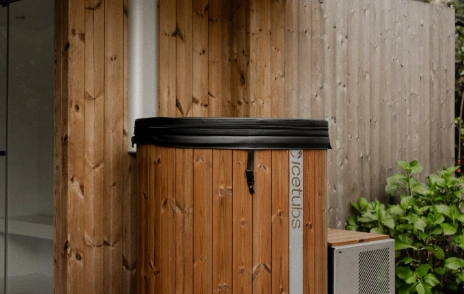
Direct sunlight can heat the tub and surrounding surfaces throughout the day. If possible, position the plunge somewhere naturally shaded.
A covered patio, pergola, or shaded garden area can help.
Think about the sun's movement too. A spot that is shaded in the morning may sit in direct sunlight during the afternoon.
Use a Good Cover
Keeping the plunge covered when you are not using it helps limit exposure to sunlight, dust, leaves, and other debris.
It also reduces the amount of time the water is directly exposed to warm outdoor air.
Make it part of your routine.
Plunge, clean up, replace the cover.
That small habit can help protect the water between sessions.
Reduce Heat Around the Tub
The area surrounding the plunge can become surprisingly hot during summer.
Concrete, stone, decking, and other surfaces can absorb heat throughout the day and transfer some of it to the surrounding environment.
Shade helps, but ventilation matters too.
Avoid placing the plunge in a cramped area where hot air becomes trapped around the equipment.
Insulation Still Matters
Insulation is useful year-round.
During summer, it can help reduce unwanted heat transfer between the cold water and the warmer environment around the tub.
If you are building an outdoor setup from scratch, consider insulation as part of the overall installation rather than something to add later. Our guide to How to Insulate a Cold Plunge Tub for Better Daily Use covers how.
Don't Forget Water Quality
Summer can also mean more frequent use.
More use means more opportunities for sweat, sunscreen, dirt, and other contaminants to enter the water.
Keep up with your normal water-care routine.
A clean water system is easier to maintain and makes the plunge more pleasant to use.
Keep the Cooling System Clear
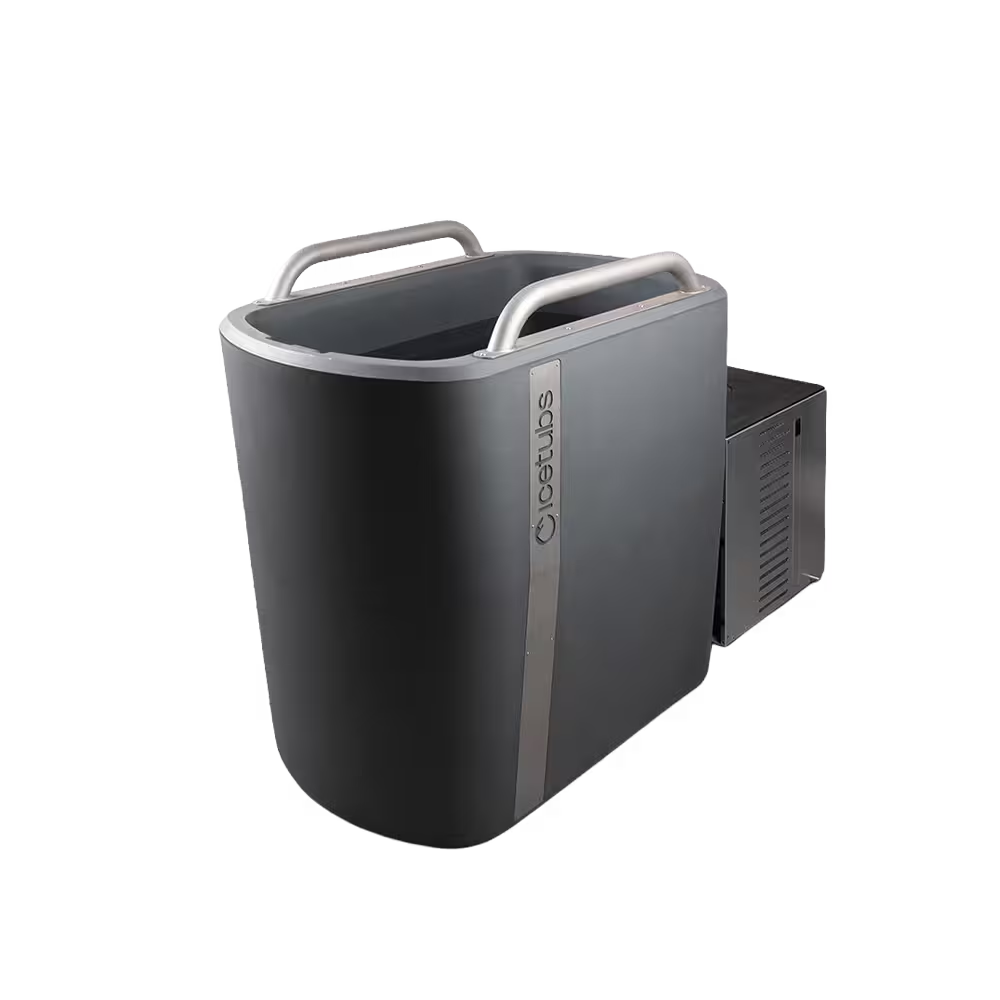
Your cooling equipment needs adequate airflow.
Do not place the chiller somewhere enclosed or directly against a wall if the manufacturer's installation requirements call for clearance.
Hot outdoor temperatures can already make cooling more demanding.
Restricted airflow can make the situation worse.
Keep vents and surrounding areas clear of leaves, dust, and other debris.
Icetubs in Hot Weather
The Icetubs Engine uses an integrated cooling system, running filtration and ozone-supported water care alongside it, to maintain cold water without requiring you to continually add ice.
That can be particularly convenient during summer, when manually preparing enough ice for regular sessions would become increasingly impractical.
You can focus on maintaining the setup rather than constantly replenishing the water with ice.
Check the Temperature Before You Plunge
Summer can create bigger differences between your preferred setting and the actual water temperature.
Check the water before getting in rather than assuming it has remained at the same temperature.
This is particularly useful if the plunge has been exposed to unusually hot conditions or has not been used for several days.
Think About Your Routine
You may use the plunge differently in summer.
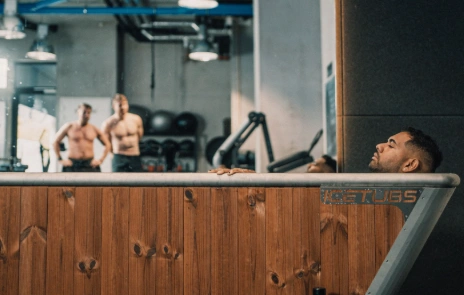
A morning session can be appealing before temperatures rise.
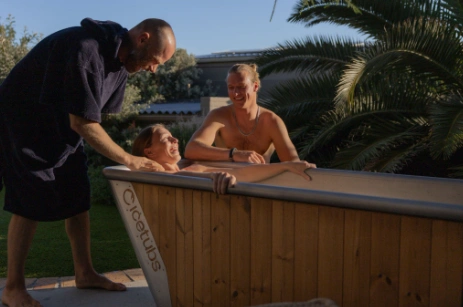
An evening plunge can provide a transition after spending the day outdoors.
Choose a time that fits your routine while avoiding unnecessary exposure of the tub to peak afternoon heat.
Don't Overcomplicate It
You do not need a complicated cooling strategy.
Start with the basics:
• Shade the tub.
• Use the cover.
• Maintain airflow around the equipment.
• Keep the water clean.
• Check the temperature.
These simple steps can make a meaningful difference.
For more guidance on building an outdoor setup that works throughout the year, continue with Outdoor Cold Plunge: How to Plan the Right Setup