



In this blogpost:
Wie lange sollte man im Eisbad bleiben?
Erfahren Sie, wie lange Anfänger im Eisbad bleiben sollten, wann es Zeit ist, herauszukommen und wie Sie die Dauer des Kältebads sicher steigern.
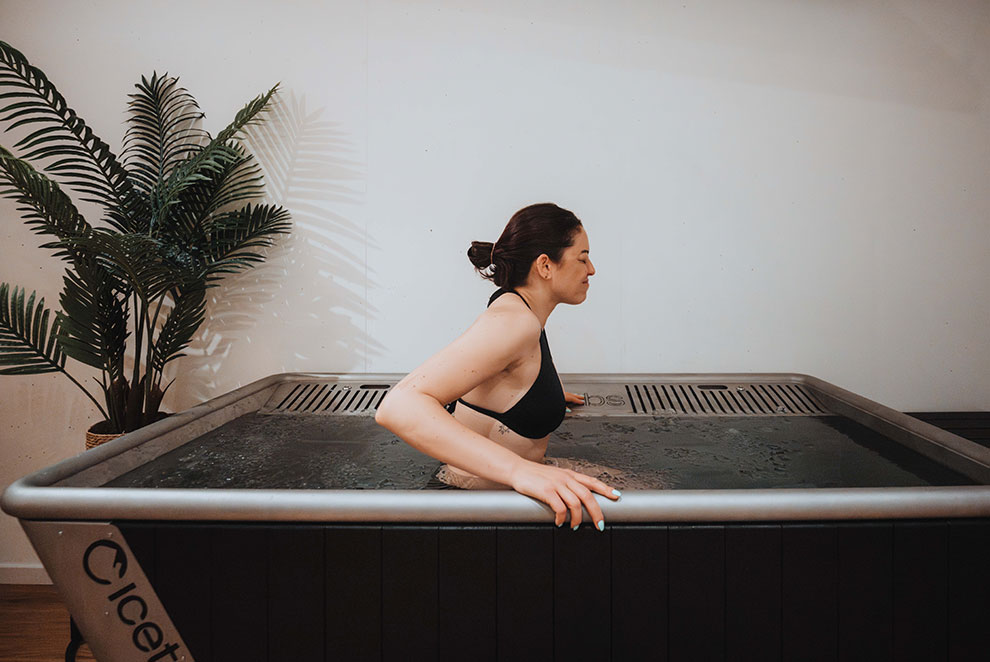
Eisbäder können die Regeneration fördern, den Körper erfrischen und Ihnen helfen, eine Routine für Kälteanwendungen aufzubauen. Doch eine der ersten Fragen, die sich Anfänger meist stellen, ist simpel: Wie lange sollte man eigentlich im Eisbad bleiben?
Die Antwort lautet nicht „so lange wie möglich“. Länger im Wasser zu bleiben, führt nicht zwangsläufig zu besseren Ergebnissen. Für Anfänger ist eine kurze und kontrollierte Sitzung meist der sicherste Einstieg.
Die meisten Anfänger können mit 30 Sekunden bis 2 Minutenbeginnen. Sobald sich Ihr Körper angepasst hat, können Sie die Dauer schrittweise auf 3 bis 5 Minutensteigern. Die richtige Dauer hängt von Ihrer Erfahrung, der Wassertemperatur und Ihrem Körpergefühl während der Anwendung ab.
Kurzantwort: Starten Sie mit 30 Sekunden bis 2 Minuten
Halten Sie Ihre ersten Eisbäder kurz. Ihr Körper benötigt Zeit, um sich an das kalte Wasser zu gewöhnen, besonders wenn Sie noch keine Erfahrung mit Kälteanwendungen haben.
Ein einfacher Zeitplan:
- Erste Sitzungen: 30 Sekunden bis 1 Minute
- Anfänger-Routine: 1 bis 2 Minuten
- Fortgeschrittene Routine: 2 bis 3 Minuten
- Erfahrene Anwender: 3 bis 5 Minuten
Sie müssen nicht 10 Minuten im Eisbad bleiben, um die Wirkung zu spüren. Eine entspannte 2-minütige Sitzung kann effektiver sein als eine längere, bei der Ihre Atmung unkontrolliert wirkt.
Das Ziel ist es, das Eisbad erfrischt und ausgeglichen zu verlassen, nicht erschöpft oder überfordert.
Warum länger nicht immer besser ist
Viele Menschen gehen davon aus, dass eine längere Zeit im Eisbad mehr Vorteile bringt. In Wirklichkeit ist Kälteexposition dann am effektivsten, wenn sie kontrolliert erfolgt.
Ein zu langer Aufenthalt kann das Risiko für Folgendes erhöhen:
- Starkes Zittern
- Extreme Taubheit
- Schwierigkeiten beim Aufwärmen
- Benommenheit
- Unkontrollierte Atmung
Achten Sie nicht nur auf die Zeit, sondern darauf, wie Ihr Körper reagiert. Können Sie ruhig atmen? Bleiben Sie gelassen? Können Sie sicher aussteigen?
Wenn Sie diese Fragen mit Ja beantworten können, liegt Ihre Sitzung wahrscheinlich in einem angemessenen Rahmen. Wenn Sie das Gefühl haben, die Kontrolle über Ihren Körper zu verlieren, ist es Zeit, das Eisbad zu verlassen.
Passen Sie die Dauer an die Wassertemperatur an
Die Dauer des Eisbads sollte immer auf die Wassertemperatur abgestimmt sein. Je kälter das Wasser, desto kürzer sollte die Sitzung sein.
Für Anfänger liegt ein gut handhabbarer Bereich meist bei 10°C bis 15°C. Das ist kalt genug, um eine Herausforderung zu sein, aber nicht so extrem, dass es überfordernd wirkt.
Hier ist eine einfache Orientierungshilfe:
- Um 15°C: einfacher für Anfänger zu bewältigen
- Um 10°C: kälter, daher die Sitzungen kürzer halten
- Unter 10°C: intensiver und besser für erfahrene Anwender
Wenn sich das Wasser zu kalt anfühlt, um Ihre Atmung zu kontrollieren, verkürzen Sie die Dauer oder wählen Sie beim nächsten Mal eine etwas höhere Temperatur.
Warnsignale: Wann Sie das Bad beenden sollten
Ihr Körper signalisiert Ihnen normalerweise, wenn die Sitzung lang genug war. Ignorieren Sie diese Anzeichen nicht.
Verlassen Sie das Eisbad sofort, wenn Sie:
- Schwindel verspüren
- Verwirrt sind
- Zu stark taub werden
- Nicht mehr ruhig atmen können
- Starke Beschwerden im Brustbereich haben
- Nicht mehr klar sprechen können
- Zittern, das sich nur schwer kontrollieren lässt
Kaltes Wasser sollte eine Herausforderung sein, sich aber nicht unsicher anfühlen. Du musst dich nicht mit den Zeiten anderer messen. Deine ideale Dauer kann je nach Schlaf, Stress, Trainingsintensität und deiner allgemeinen Tagesform variieren.
So steigerst du die Dauer deines Eisbads sicher
Der beste Weg, die Zeit im Eisbad zu verlängern, ist schrittweise. Springe nicht zu schnell von 1 Minute auf 5 Minuten.
Versuche es mit dieser einfachen Steigerung:
- Wähle eine kurze Dauer, die du gut bewältigen kannst
- Wiederhole diese über mehrere Einheiten
- Füge 15 bis 30 Sekunden hinzu, sobald es sich machbar anfühlt
- Halte deine Atmung ruhig
- Höre mit der Steigerung auf, wenn sich die Einheit zu intensiv anfühlt
Für viele Menschen sind 2 bis 5 Minuten bereits ausreichend für eine effektive Kälteanwendung. Beständigkeit ist wichtiger, als immer längere Zeiten anzustreben.
Sicherer Kältebaden mit Icetubs
Die beste Dauer für ein Eisbad ist die, die du sicher wiederholen kannst. Fange kurz an, bleibe ruhig und steigere die Zeit erst, wenn dein Körper bereit dafür ist.
Mit Icetubs kannst du deine Kälteanwendungen zu Hause kontrollierter gestalten. Bevor du die Dauer steigerst, stelle sicher, dass du die Grundlagen für sicheres Kältebaden in unserem Hauptleitfaden verstanden hast: Sicherer Umgang mit dem Eisbad: Ein Leitfaden für Einsteiger.