



In this blogpost:
Verbessert Kaltwassertherapie die psychische Gesundheit?
Erfahren Sie, wie Kältetherapie mentale Klarheit, Stimmung und Resilienz fördern kann und wie Sie sie sicher in Ihren Alltag integrieren.

Kältetherapie hat nicht nur für die körperliche Regeneration an Popularität gewonnen, sondern auch aufgrund ihrer potenziellen Wirkung auf das psychische Wohlbefinden. Vielleicht haben Sie schon gehört, dass der Sprung ins eiskalte Wasser Stress reduzieren, die Stimmung heben oder sogar bei Ängsten helfen kann. Auch wenn Kältetherapie keinen Ersatz für professionelle psychologische Betreuung darstellt, kann sie bei bewusster Anwendung eine unterstützende Ergänzung für Ihren Alltag sein.
Wenn Sie verstehen, wie sich Kälteanwendungen auf Körper und Geist auswirken, können Sie diese sicher und effektiv in Ihre täglichen Wellness-Gewohnheiten einbauen.
Wie kaltes Wasser auf Ihr Nervensystem wirkt
Wenn Sie in kaltes Wasser eintauchen, reagiert Ihr Körper mit einem Kälteschock. Die Atmung beschleunigt sich, der Herzschlag steigt und Ihr Nervensystem wird aktiviert. Dieser plötzliche Reiz kann Ihnen helfen, sich wach und präsent zu fühlen und den Fokus auf den Moment zu lenken.
Für viele hilft dieses intensive körperliche Empfinden dabei, kreisende Gedanken oder Angstzustände zu unterbrechen. Der kontrollierte Stress durch die Kälte ermöglicht es Ihnen, Ihre Atmung zu regulieren, was langfristig die emotionale Resilienz stärken kann. Indem Sie sich diesem kontrollierten Unbehagen immer wieder stellen, trainieren Sie Körper und Geist, ausgeglichener auf Stress zu reagieren.
Stimmung und emotionale Vorteile
Vielleicht bemerken Sie nach einem Kältebad sofortige Veränderungen in Ihrem Befinden. Auf den anfänglichen Schock folgt oft ein Gefühl von Ruhe, Erfrischung und mentaler Klarheit. Kälteanwendungen können die Ausschüttung von Endorphinen anregen – den körpereigenen Glückshormonen –, was kurzfristig die Stimmung heben und das allgemeine Wohlbefinden steigern kann.
Manche Menschen integrieren die Kältetherapie in ihre Morgenroutine, um wacher zu werden, oder nutzen sie nach einem stressigen Tag, um mental abzuschalten. Mit der Zeit kann Ihnen diese Praxis helfen, Herausforderungen mit einer ruhigeren und fokussierteren Einstellung zu begegnen.
Stressresilienz und mentales Training
Kältetherapie ist im Grunde eine Form von kontrolliertem Stress. Indem Sie sich freiwillig einer herausfordernden Umgebung aussetzen, üben Sie Bewältigungsstrategien, die über das Bad hinausgehen. Sie lernen, mit Unbehagen umzugehen, Ihre Atmung zu kontrollieren und im Moment zu bleiben – all das kann zu einer größeren mentalen Widerstandsfähigkeit im Alltag führen.
Regelmäßige Anwendung kann Ihnen zeigen, dass Unbehagen vorübergehend und bewältigbar ist, und Ihren Geist darauf trainieren, gelassener auf Stressfaktoren im echten Leben zu reagieren. Für Sportler unterstützt dies nicht nur die körperliche Erholung, sondern auch mentale Stärke, Konzentration und Fokus unter Druck.
So integrieren Sie Kältetherapie sicher
Die Anwendung von Kältetherapie für die psychische Gesundheit sollte immer sicher erfolgen. Sie setzen Ihren Körper extremen Temperaturen aus, was eine körperliche Belastung darstellt. So gelingt der Einstieg:
- Beginnen Sie mit kurzen Einheiten und moderaten Temperaturen
- Konzentrieren Sie sich während des Bads auf eine langsame, kontrollierte Atmung
- Begrenzen Sie die Dauer auf wenige Minuten und steigern Sie diese schrittweise, so wie es sich für Sie gut anfühlt
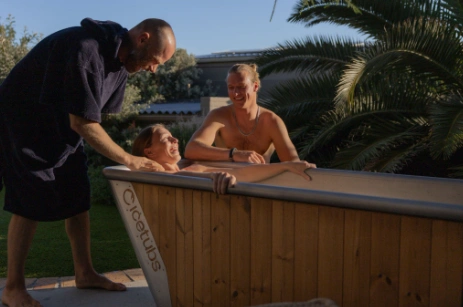
- Sorgen Sie dafür, dass immer jemand in der Nähe ist, wenn Sie mit dieser Praxis beginnen
- Kombinieren Sie die Kältetherapie mit anderen Wellness-Gewohnheiten wie ausreichender Flüssigkeitszufuhr, gutem Schlaf und Achtsamkeit
Denken Sie daran, dass die Kaltwassertherapie unterstützend wirkt und keinen Ersatz für professionelle psychologische Betreuung darstellt. Wenn Sie unter Herzproblemen, Bluthochdruck oder anderen gesundheitlichen Beschwerden leiden, konsultieren Sie bitte vor Beginn einen Arzt.
Wissenschaft und Grenzen
Obwohl viele Anwender von positiven Effekten auf Stimmung, Wachheit und Stressbewältigung berichten, ist die Kaltwassertherapie kein Allheilmittel. Die wissenschaftliche Beweislage zu den langfristigen Auswirkungen auf die psychische Gesundheit ist noch im Aufbau, und die Ergebnisse variieren je nach körperlicher Verfassung, Einstellung und Anwendungshäufigkeit. Der am häufigsten bestätigte Nutzen ist eine kurzfristige Linderung geistiger Erschöpfung und ein gesteigertes Gefühl der Wachheit.
Die Integration der Kältetherapie in eine konsequente Wellness-Routine kann Ihre Regeneration, Stimmung und Konzentration verbessern – sie sollte jedoch andere Strategien für die psychische Gesundheit wie Meditation, Beratung oder Anpassungen des Lebensstils ergänzen.
Stärken Sie Ihre mentale Resilienz
Bei bewusster Anwendung kann die Kaltwassertherapie ein wirkungsvolles Instrument zur Unterstützung des psychischen Wohlbefindens sein. Sie werden möglicherweise feststellen, dass regelmäßige Kältebäder Ihnen helfen, sich energiegeladener, geistig klarer und widerstandsfähiger gegenüber Stress zu fühlen. Indem Sie die Kältetherapie als unterstützende Gewohnheit betrachten, schaffen Sie eine kleine, aber bedeutsame Praxis, die Ihre allgemeine Wellness-Routine sinnvoll ergänzt.
Entdecken Sie praktische Möglichkeiten, die Kältetherapie in Ihre Erholungs- und Wellness-Routine zu integrieren in Kaltwasser-Immersionstherapie: Vorteile, Wissenschaft & Risiken