



In this blogpost:
Commercial vs Residential Cold Plunge: What Really Changes?
Compare commercial and residential cold plunges across capacity, cooling, filtration, hygiene, maintenance, durability, installation, and everyday operation.
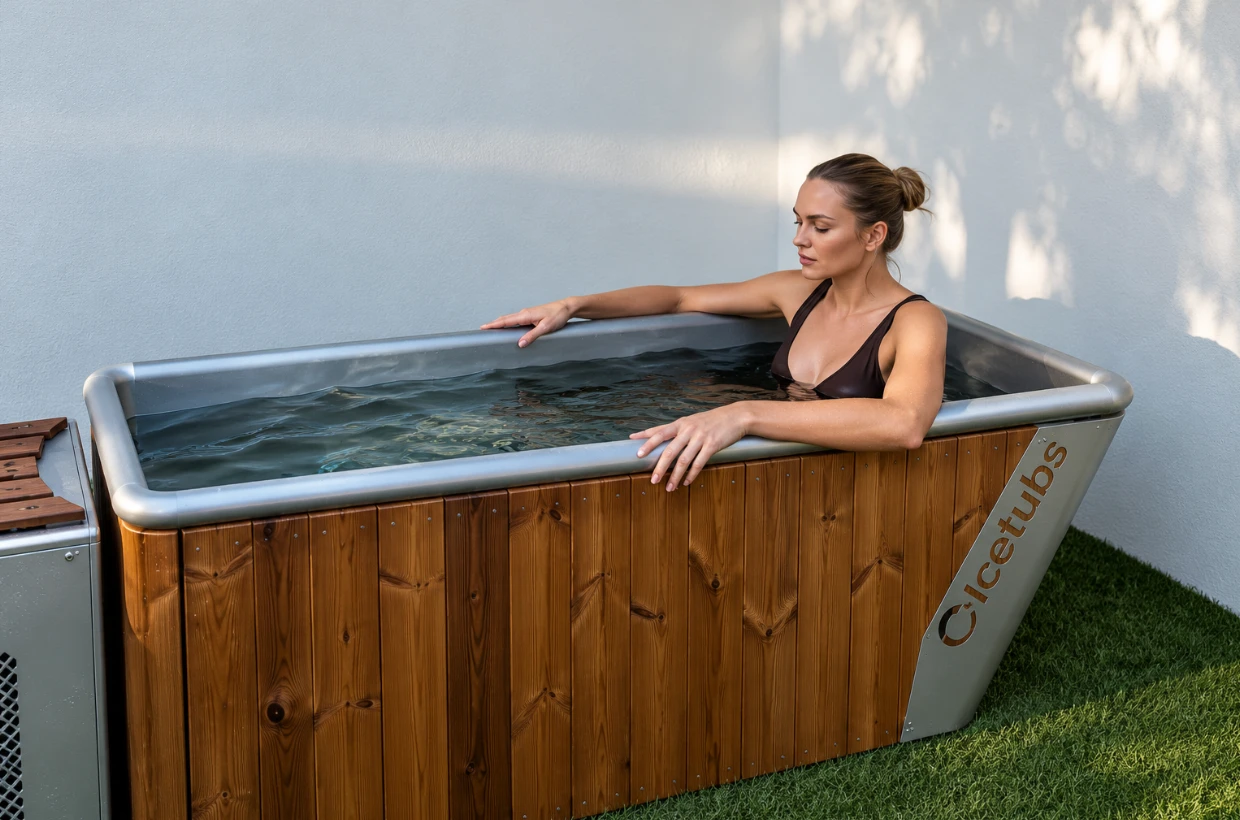
A cold plunge designed for your home does not necessarily suit a busy commercial facility.
The difference is not simply size.
Commercial use changes the demands placed on cooling, filtration, water management, durability, and maintenance.
Understanding those differences can help you choose equipment that matches the environment.
Usage Changes Everything
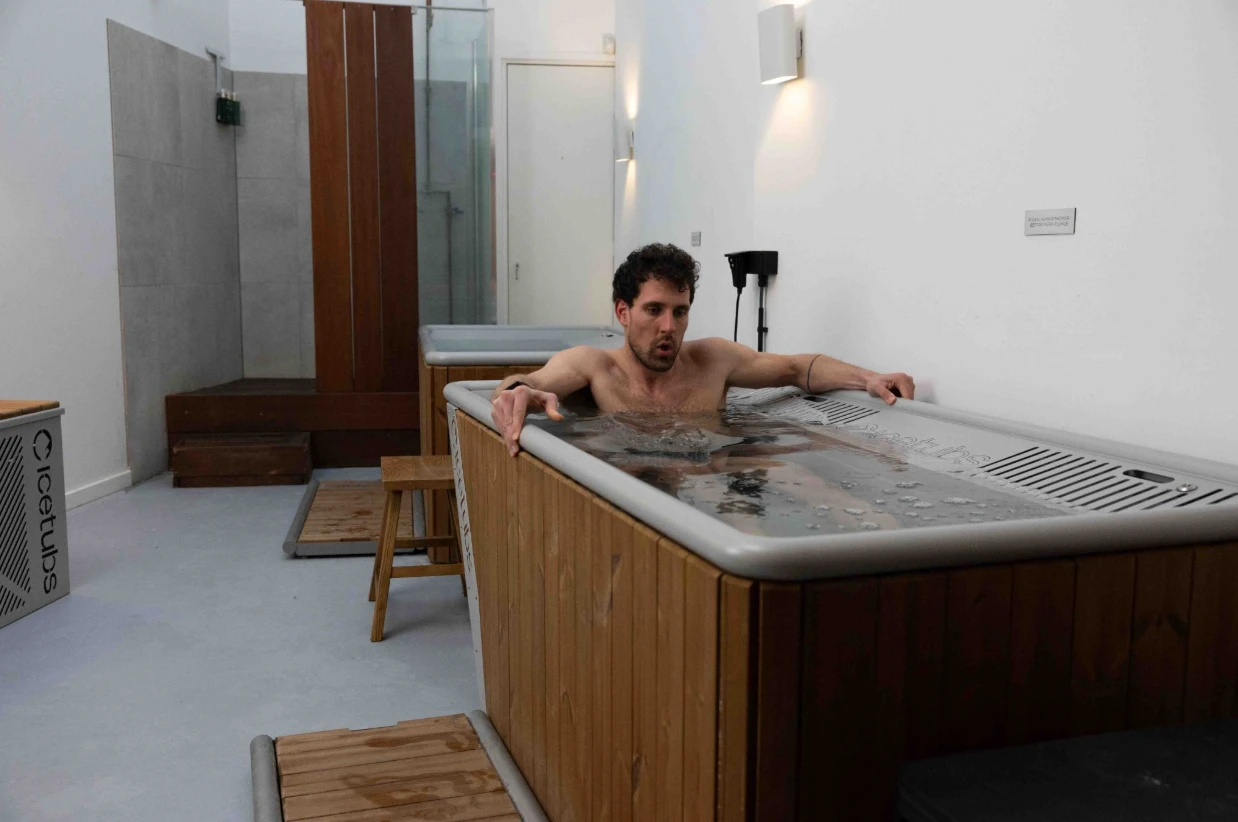
A home plunge might serve one or two people several times a week.
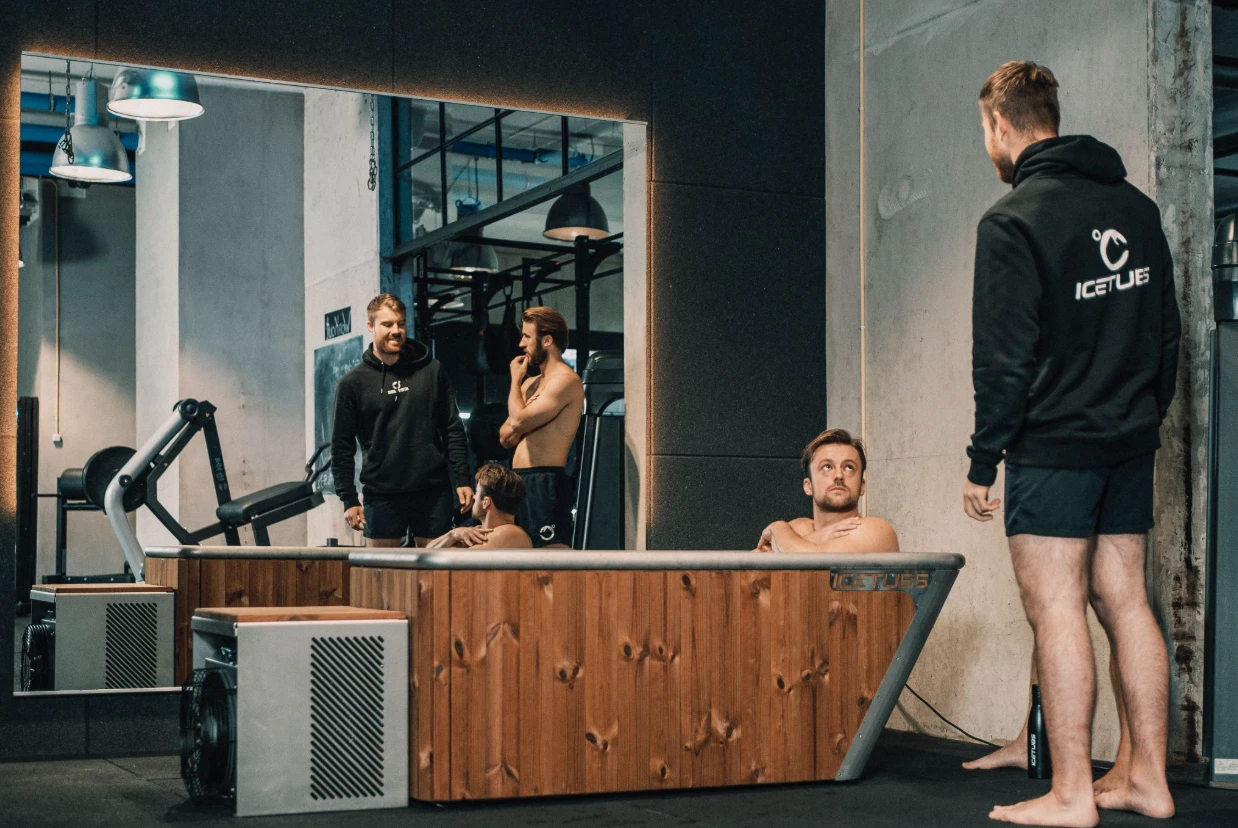
A commercial plunge could be used repeatedly throughout the day.
That creates a much higher demand on the system.
More users also mean more contaminants entering the water, more frequent cleaning requirements, and greater importance placed on consistent temperature.
Commercial equipment needs to be built around that reality.
Water Management Becomes Critical
Residential users can usually manage their own cleaning routine.
A busy facility needs a more structured approach.
Filtration, sanitation, circulation, water replacement, and drainage all become operational considerations.
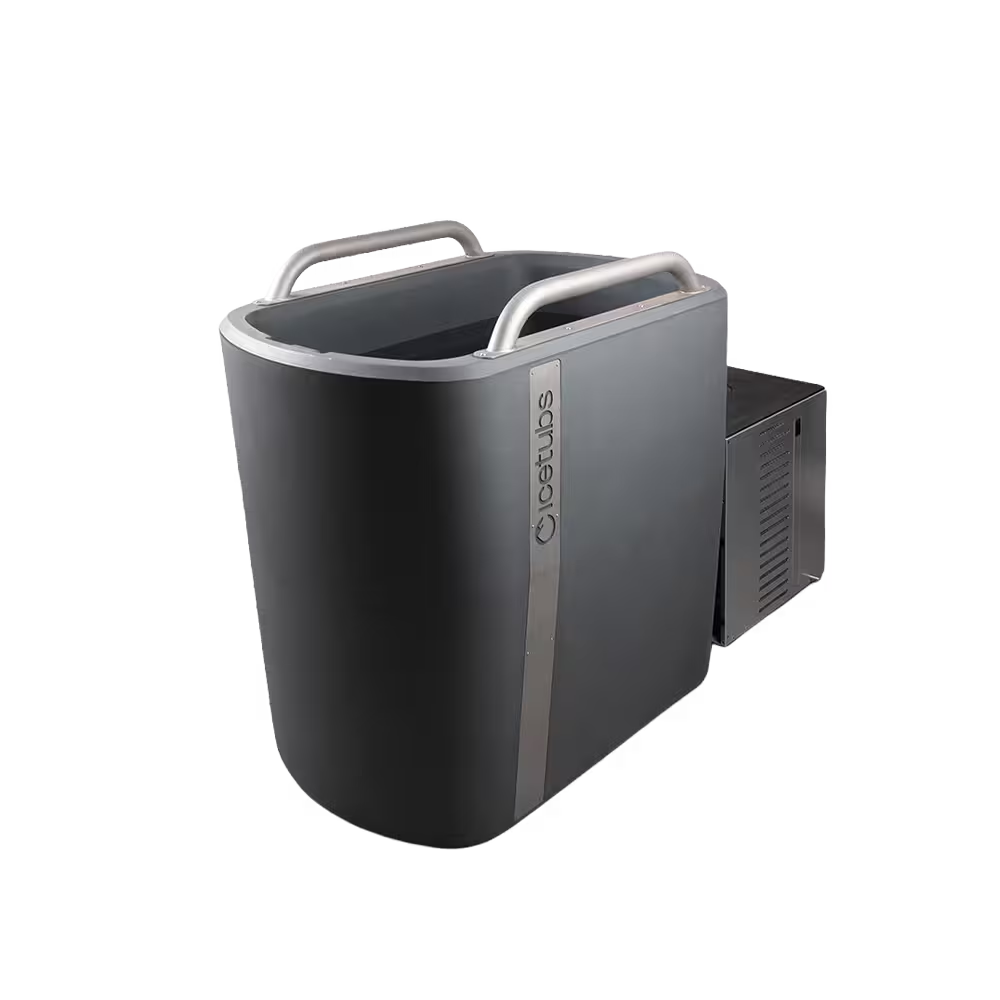
Icetubs' ProBath uses dual 5-micron filters, an overflow system for surface skimming, automated water refreshing, and automated sanitation. Icetubs
The system can also automatically maintain water levels through its float valve, reducing manual intervention. Icetubs
That type of automation is particularly relevant when staff need to focus on customers rather than constantly managing the plunge.
For a deeper look at how sanitation technology differs across systems, see Cold Plunge Water Treatment: Chlorine, Ozone, and UV Explained.
Capacity and Durability Matter
Commercial equipment also needs to cope with higher usage.
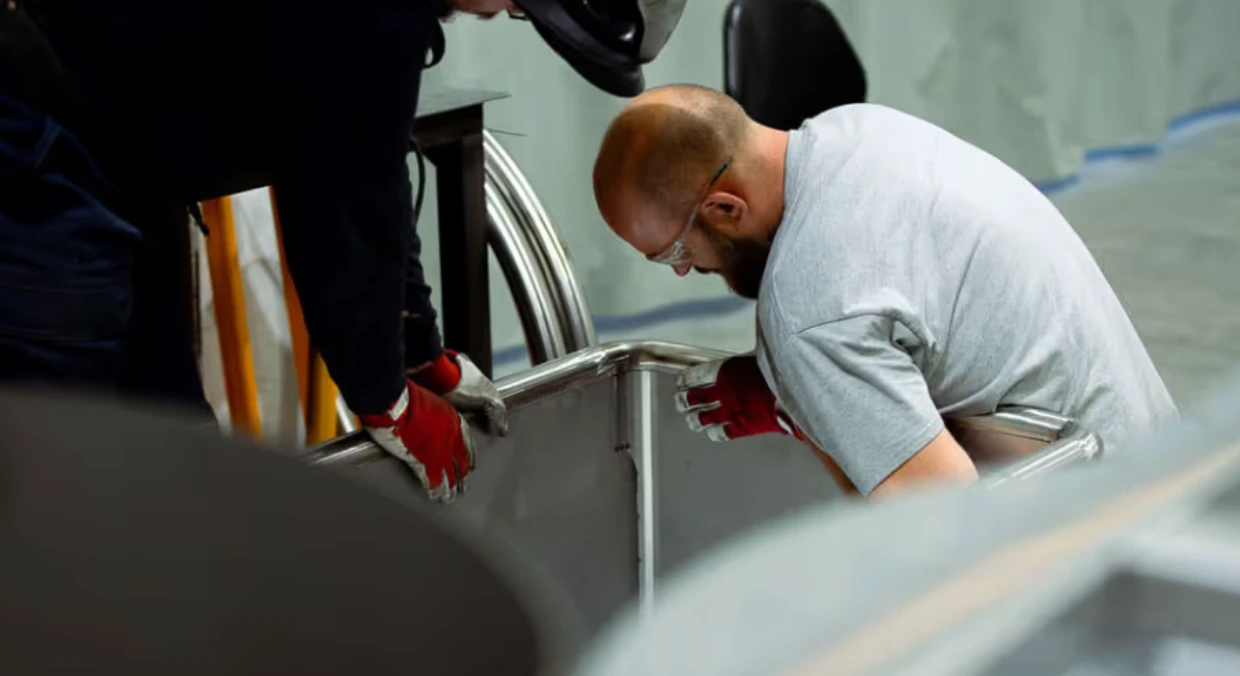
The ProBath is designed for high-traffic environments and can handle up to 100 users per day. It uses 316 stainless steel and Thermowood, with cooling designed to reach 3°C even after heavy use. Icetubs
A residential system may still be perfectly suitable for a home.
The important point is matching the equipment to expected demand.
Choose for the Environment
Ask yourself:
How many people will use it?
How often?
How much staff time can you dedicate to maintenance?
How important is automated water management?
What are your installation constraints?
Those questions are more useful than simply comparing purchase prices.
Commercial equipment can cost more upfront, but the right system may reduce operational friction over years of frequent use.
For a complete look at selecting and integrating commercial cold-plunge equipment, continue with Cold Plunge for Business: Building a Commercial Wellness Offering.