



In this blogpost:
Cold Plunges and Depression: What Does the Evidence Show?
Explore what research says about cold plunges and depression, including mood, stress, cold-water exposure, and why cold therapy should remain complementary.
Depression can affect almost every part of daily life.
Energy.
Motivation.
Sleep.
Concentration.
The ability to enjoy things you normally value.
That makes any potential wellness practice worth examining carefully.
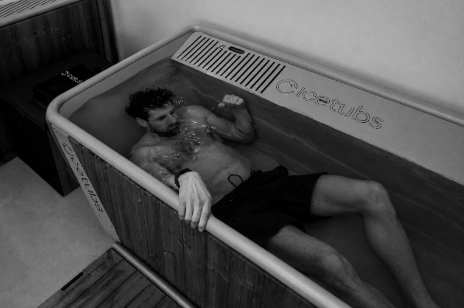
Cold plunging has attracted attention because many people describe feeling more awake, more focused, more energised after exposure. But that does not mean a cold plunge is a treatment for depression.
Why Is Cold Exposure Being Studied?
Cold water creates an intense physical stimulus.
Your nervous system becomes more active.
Your breathing changes.
Your body releases chemicals involved in alertness and the stress response.
After the initial challenge, the intensity gradually settles. That contrast between challenge and recovery is part of what makes cold water immersion interesting from a mental wellness perspective: you experience something uncomfortable, regulate your response, and return to a normal environment.
What Does the Research Show?
The picture is genuinely interesting, if still emerging.
A 2025 systematic review by Cain et al., published in PLOS ONE, found promising effects in areas such as stress and sleep, with early signals worth paying attention to across mood outcomes as well, even though the results there were more mixed than in other areas.
A small 2023 study by Hjorth et al., published in the Nordic Journal of Psychiatry, explored cold-water swimming as an add-on approach and found participants reported improvements in wellbeing. The study was small, so it is best read as an encouraging early signal rather than proof, the kind of finding that makes a larger trial worth running, not a final answer.
The Routine, Dopamine, and Norepinephrine
Cold exposure is not only about what happens physiologically.
There is also the structure around it.
You decide to do something.
You prepare.
You enter the water.
You manage the discomfort.
Then you finish.
That sequence creates a small but tangible sense of achievement — valuable for someone building more structure into their day, though it should never be confused with treating the underlying condition.
Cold exposure also affects several neurological pathways. Norepinephrine is involved in alertness, attention, and the stress response. Dopamine plays roles in motivation, reward, learning, behaviour. Changes in these systems may help explain why cold exposure can feel stimulating.
But depression is not simply a shortage of one chemical.
Mental health involves biological, psychological, and environmental factors together — which is why cold exposure should never be presented as a simple way to “fix” brain chemistry.
Using Cold Exposure Responsibly
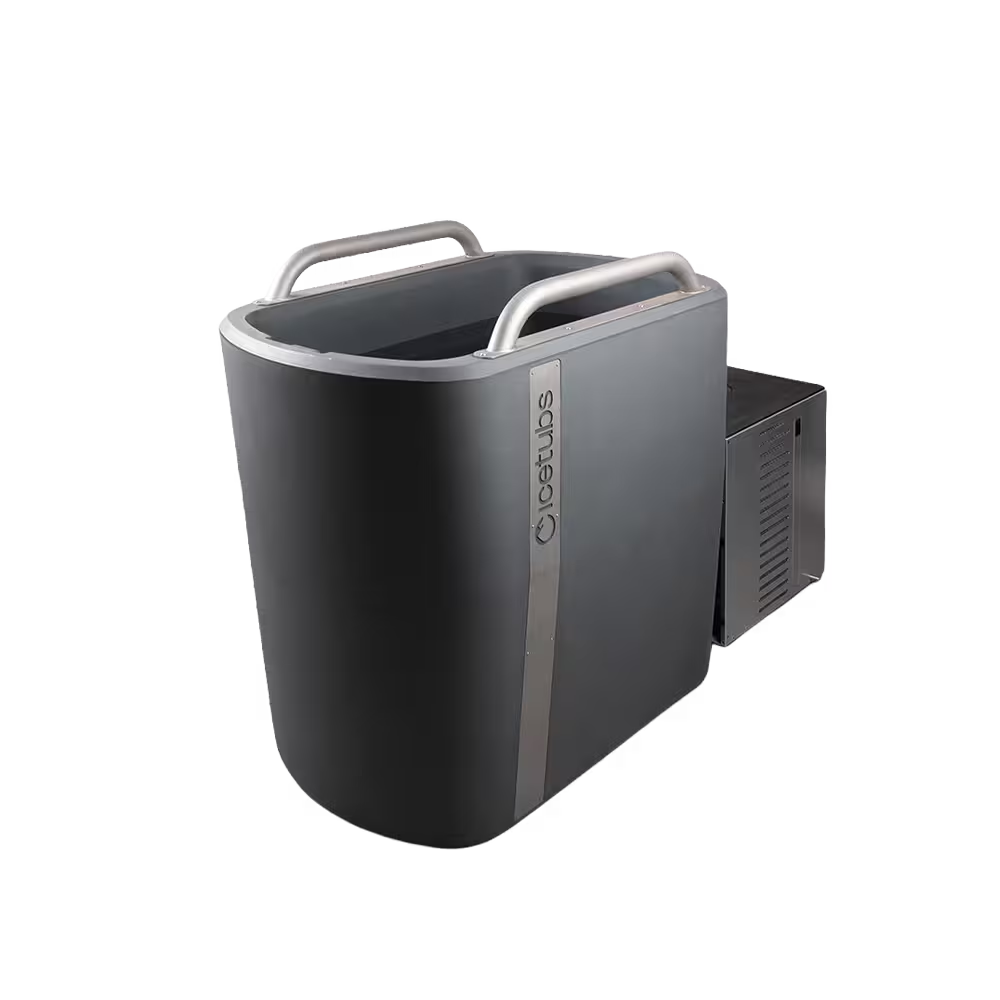
You might use a cold plunge in the morning as a deliberate transition into the day. After exercise. As a short reset when your mind feels overloaded — if it feels supportive. Icetubs makes that kind of routine easier to repeat, keeping the plunge ready without requiring fresh ice for every session.
If you are experiencing depression, professional support remains important. Therapy, medication where appropriate, exercise, sleep, social connection — these have far stronger foundations than cold exposure alone. A cold plunge can complement those habits. It should never be a reason to delay seeking help.
Before you start, it's worth checking Who Should Avoid Cold Plunging or Ask a Doctor First to see whether cold exposure is the right fit for you right now.
There is no requirement to force yourself into cold water on a difficult day. If it feels energising and grounding, let it fit your routine. If it feels overwhelming, skip it. For now, the most sensible approach is to treat cold exposure as complementary, not a treatment for depression.
For the wider relationship between cold exposure, mood, stress, focus, and wellbeing, explore Cold Plunge for Mental Wellbeing: How Cold Therapy May Help