



In this blogpost:
Garantie für Kältebecken: Was sie abdecken sollte
Erfahren Sie, was die Garantie für ein Eisbad abdecken sollte, einschließlich Wannenkorpus, Kühlsystem, Ersatzteile, Service und langfristiger Support.
Beim Preisvergleich wird die Garantie für ein Eisbad oft übersehen. Dabei kann sie nach dem Kauf einen großen Unterschied machen, insbesondere wenn das Becken ein Kühlaggregat, ein Filtersystem, elektrische Komponenten oder hochwertige Materialien enthält.
Ein günstigeres Modell mag auf den ersten Blick attraktiv erscheinen. Eine schwache Garantieleistung kann jedoch teuer werden, wenn etwas kaputtgeht, undicht wird oder nicht mehr richtig funktioniert. Lesen Sie die Garantiebedingungen vor dem Kauf sorgfältig durch und prüfen Sie, was genau abgedeckt ist.
Beginnen Sie mit den Hauptkomponenten
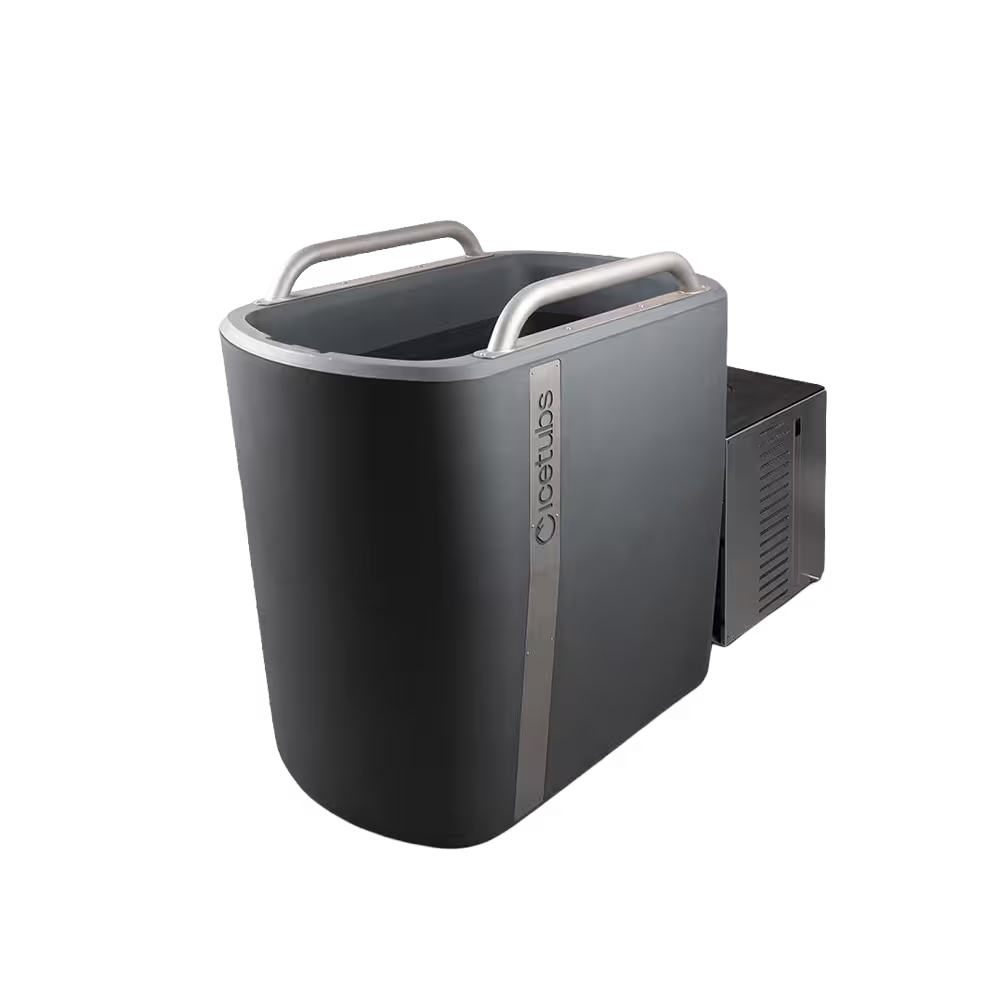
Eine gute Garantie sollte klar definieren, welche Teile abgedeckt sind. Bei einem einfachen Becken können dies der Korpus, die Nähte, das Ablassventil oder die Abdeckung sein. Bei einem elektrischen Eisbad-System sollte die Garantie zudem das Kühlaggregat, die Pumpe, die Steuerung und filterrelevante Teile umfassen.
Je komplexer das System, desto wichtiger ist der Garantieschutz. Ein Becken mit elektrischer Kühlung bietet zwar einen höheren Mehrwert, verfügt aber auch über mehr Komponenten, die im Laufe der Zeit gewartet werden müssen.
Prüfen Sie die Garantiedauer
Die Garantiedauer variiert je nach Marke und Produkttyp. Einige preiswerte Modelle bieten nur eine begrenzte Abdeckung, während Premium-Systeme oft einen längeren Schutz beinhalten.
Icetubs ist ein Beispiel dafür, wie die Garantie Teil des Nutzungserlebnisses ist – besonders für Käufer, die hochwertige Eisbäder mit kurzlebigen Billigprodukten vergleichen.
Die Dauer ist wichtig, aber nicht das einzige Detail. Eine lange Garantie mit vielen Ausschlüssen kann weniger wertvoll sein als eine kürzere Garantie mit klarem Support.
Verstehen, was enthalten ist
Achten Sie nicht nur auf die Anzahl der Jahre. Lesen Sie genau, was die Garantie tatsächlich abdeckt.
Das IceBath beinhaltet beispielsweise eine zweijährige Garantie, eine Thermoabdeckung sowie ein Filterset mit drei zertifizierten Filtern, die Partikel bis zu einer Größe von 5 Mikrometern erfassen.
Solche Details helfen Käufern zu verstehen, welcher Support und welches Zubehör im Kaufpreis enthalten sind – und nicht nur das Becken selbst.
Ausschlüsse sorgfältig prüfen
Die meisten Garantien enthalten Ausschlüsse. Dazu können Schäden durch unsachgemäßen Gebrauch, mangelnde Wartung, fehlerhafte Installation, Frostschäden, unsachgemäßen elektrischen Anschluss oder unbefugte Änderungen gehören.
Dies ist wichtig, da Kältebecken mit Wasser, Temperaturschwankungen und teilweise mit Außenbedingungen in Kontakt kommen. Wenn die Garantie bestimmte Wartungsschritte vorschreibt, sollten Sie diese vor dem Kauf kennen.
Eine Garantie sollte die Verantwortlichkeiten sowohl für den Käufer als auch für den Anbieter klar definieren.
Nach Service und Ersatzteilen fragen
Garantieschutz ist nur dann wirklich nützlich, wenn der Service auch erreichbar ist. Prüfen Sie vor dem Kauf, ob Ersatzteile verfügbar sind und wie der Support abgewickelt wird.
Stellen Sie Fragen wie:
- Wer bearbeitet Garantieansprüche?
- Sind Ersatzteile verfügbar?
- Sind Arbeitskosten inbegriffen?
- Werden die Versandkosten übernommen?
- Wie lange dauern Reparaturen in der Regel?
- Unterscheidet sich die Garantie bei privater und gewerblicher Nutzung?
Dies ist besonders bei elektrischen Systemen und gewerblichen Anlagen wichtig, da Ausfallzeiten den täglichen Gebrauch oder den Geschäftsbetrieb beeinträchtigen können.
Garantie auf die Nutzung abstimmen
Privatnutzer und gewerbliche Nutzer benötigen möglicherweise unterschiedliche Garantieleistungen. Ein Whirlpool, der ein- oder zweimal pro Woche genutzt wird, unterliegt einem anderen Verschleiß als einer, der täglich von vielen Personen verwendet wird.
Wenn Sie für ein Fitnessstudio, ein Spa, ein Hotel oder ein Wellnesscenter kaufen, fragen Sie nach, ob die Standardgarantie auch für die gewerbliche Nutzung gilt. Manche Anbieter haben separate Bedingungen für eine intensivere Nutzung.
Die Garantie sollte der tatsächlichen Nutzung des Whirlpools entsprechen.
Garantie als Wertmaßstab nutzen
Eine starke Garantie macht eine Wanne nicht automatisch zur besten Wahl, aber sie zeigt, wie viel Vertrauen der Anbieter in sein Produkt hat.
Wenn Sie die Preise für Kältebecken vergleichen, sollten Sie die Garantie zusammen mit der Verarbeitungsqualität, den Betriebskosten, der Wartung und dem Support betrachten. Ein niedrigerer Preis ist möglicherweise keine bessere Wahl, wenn die Garantie schwach oder unklar ist.
Bevor Sie eine endgültige Entscheidung treffen, prüfen Sie, was abgedeckt ist, wie lange der Schutz gilt, was ausgeschlossen ist und wie der Support nach der Lieferung funktioniert. Für einen umfassenderen Überblick über die Anschaffungs- und Langzeitkosten nutzen Sie Was kostet ein Kältebecken? Der komplette Preisratgeber als Ihre nächste Referenz.