



In this blogpost:
Leitfaden für die Outdoor-Aufstellung Ihres Kältebeckens
Verwandeln Sie Ihren Garten in eine Wellness-Oase. Erfahren Sie alles über den richtigen Untergrund, UV-Schutz und wie Ihr Chiller bei jedem Wetter effizient arbeitet.

Es hat etwas zutiefst Natürliches, an der frischen Luft in ein Eisbad zu steigen. Ob auf der Terrasse, im Garten oder auf dem Balkon – ein Outdoor-Setup macht Ihre Regeneration zu einem echten Rückzugsort.
Wenn Sie Ihr Eisbad nach draußen verlegen, sind Sie jedoch den Elementen ausgesetzt. Damit Ihre Ausrüstung in Topform bleibt und das Wasser selbst bei Sommerhitze eiskalt ist, finden Sie hier den wichtigsten Leitfaden für ein professionelles Outdoor-Setup.
1. Der richtige Untergrund
Wie wir bereits in unserem Leitfaden für Indoor-Setupsbesprochen haben, ist das Gewicht ein entscheidender Faktor. Im Außenbereich müssen Sie jedoch zusätzlich auf Stabilität und Drainage achten.
- Beton oder Pflaster: Dies sind die zuverlässigsten Untergründe. Sie sind eben, stabil und sacken mit der Zeit nicht ab.
- Holzterrasse: Wenn Sie das Eisbad auf einer Terrasse aufstellen, stellen Sie sicher, dass das Holz kesseldruckimprägniert ist und die Unterkonstruktion für das Gewicht eines vollen Beckens (über 500 kg) verstärkt wurde.
- Vermeiden Sie Gras oder Erde: Ein schweres Becken direkt auf dem Boden kann einsinken oder schief stehen. Dies führt zu einem unebenen Wasserstand, was die internen Komponenten Ihres Chillers beschädigen kann.
2. Schutz vor Witterungseinflüssen
Selbst die robustesten Eisbäder benötigen etwas Schutz vor der Natur.
- Schutz vor UV-Strahlung: Dauerhafte direkte Sonneneinstrahlung kann Materialien mit der Zeit zersetzen und zwingt Ihren Chiller dazu, deutlich mehr Energie aufzuwenden, um das Wasser kühl zu halten. Platzieren Sie Ihr Eisbad nach Möglichkeit unter einer Pergola oder verwenden Sie eine spezielle UV-beständige Abdeckung.
- Isolierung ist das A und O: Ein hochwertiger, isolierter Deckel dient nicht nur der Sicherheit, sondern fungiert auch als Wärmebarriere. Er verhindert, dass Wärme in das Wasser gelangt, und hält Verunreinigungen wie Blätter und Insekten von Ihrem Filtersystem fern.
3. Aufstellung und Belüftung des Kühlgeräts
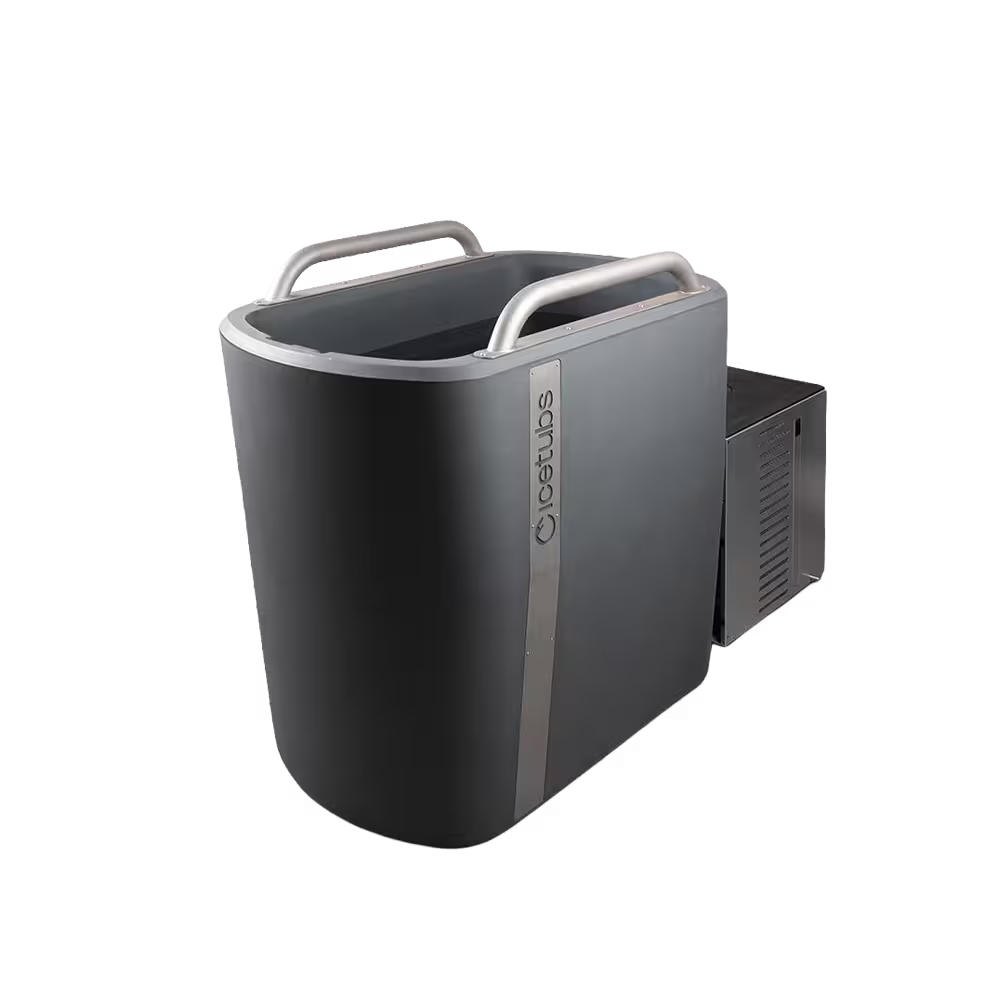
Das Kühlgerät ist das Herzstück Ihres Eisbads. Da es Wärme aus dem Wasser ableitet, muss es „atmen“ können.
- Vermeiden Sie enge Gehäuse: Bauen Sie Ihr Kühlgerät nicht mit engen dekorativen Paneelen ein, es sei denn, diese bieten eine ausreichende Belüftung.
- Schutz vor Regen: Obwohl die meisten Kühlgeräte wetterfest konstruiert sind, verlängert ein kleiner Wetterschutz oder die Platzierung unter einem Dachvorsprung die Lebensdauer der Elektronik erheblich.
4. Überwinterung und Temperaturmanagement
Wenn Sie in einer Region leben, in der die Temperaturen unter den Gefrierpunkt fallen, sollten Sie vorbeugende Maßnahmen treffen.
- Frostschutz-Technologie: Viele hochwertige Kühlgeräte verfügen über einen „Wintermodus“, der das Wasser regelmäßig zirkulieren lässt, um ein Einfrieren der Leitungen zu verhindern.
- Sommerhitze: In extrem heißen Klimazonen muss Ihr Kühlgerät gegen die Umgebungstemperatur ankämpfen. Ein isoliertes Becken (wie z. B. aus Edelstahl mit Schaumstoffkern) spart Ihnen erhebliche Stromkosten.
5. Sicherheit und Privatsphäre
Ein Außenbecken kann die Neugier von Nachbarn wecken oder eine Gefahr für unbeaufsichtigte Kinder darstellen.
- Abschließbare Abdeckungen: Verwenden Sie immer eine Abdeckung mit abschließbaren Gurten. Dies ist eine entscheidende Sicherheitsmaßnahme zur Unfallvermeidung.
- Sichtschutz: Ergänzen Sie den Bereich mit etwas „Grün“, wie zum Beispiel hohen Topfpflanzen oder einem Sichtschutz aus Bambus. Das wertet nicht nur die Optik auf, sondern verwandelt Ihr Kältebad auch in einen privaten Rückzugsort.
Zusammenfassung
Die Aufstellung Ihres Kältebeckens im Freien ist eine der besten Möglichkeiten, die Vorteile der Kältetherapie zu nutzen. Mit einem soliden Untergrund und einem Schutz für das Kühlaggregat vor direkter Sonneneinstrahlung und Regen schaffen Sie eine langlebige Regenerationsstation, an der Sie jahrelang Freude haben werden.
Möchten Sie die Outdoor-Tauglichkeit verschiedener Modelle vergleichen? Werfen Sie einen Blick in unseren Vollständigen Leitfaden für den Heimgebrauch um zu sehen, welche Materialien den Witterungseinflüssen am besten standhalten.