



In this blogpost:
Building Stress Resilience Through Cold Exposure
Learn how cold exposure may help you practise staying calm under physical stress, and how to build a manageable cold plunge routine without chasing extremes.
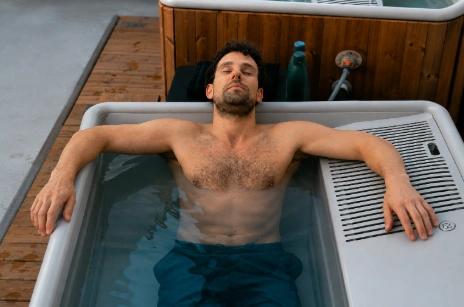
Stress resilience does not mean never feeling stressed.
It means becoming better at navigating challenging situations without immediately becoming overwhelmed.
Cold exposure offers an unusual way to practise that response.
You deliberately step into an uncomfortable environment.
Your body reacts.
Instead of escaping, you learn to breathe, stay present, and let the initial intensity pass.
Cold Creates a Controlled Challenge
The first moments of a cold plunge can feel surprisingly intense.
Your breathing quickens.
Your muscles tense.
Your nervous system goes on high alert.
That is your body's normal response to sudden cold.
The interesting part comes next: you have a choice in how you respond.
Panic, and fight the sensation. Or focus on your breathing, and let your body settle.
This is essentially a skill of regulation, not elimination. Cold exposure does not make stress disappear — it gives you a simple environment to practise regulating your response to discomfort.
Your breath quickens; you slow it down.
Your shoulders tense; you consciously relax them.
The urge to leave arrives; you remain present and decide what to do next.
That process matters more than how cold the water is.
This is essentially the idea behind hormesis. For the full picture, see Hormesis Explained: How Cold Stress Can Drive Adaptation.
Does That Build Resilience?
Potentially. But it should not be overstated.
Repeated exposure makes the initial response feel more familiar, more manageable.
You may grow more comfortable with the sensation of discomfort itself. That builds confidence in your ability to handle a challenging moment.
But mental resilience comes from many different experiences. Cold exposure is one small practice, not a shortcut to becoming stress-proof.
Keep the Challenge Manageable and Repeatable
The temptation is to make cold exposure increasingly difficult.
Colder water.
Longer sessions.
More frequent plunges.
None of that is necessary.
The purpose is to practise regulation, not overwhelm yourself. If the experience becomes too intense to control your breathing or remain calm, the challenge has stopped serving its purpose.
Resilience is built through repetition.
A cold plunge becomes more useful with a consistent place in your routine — morning, after training, before starting work.
The timing matters less than having a reason for doing it.
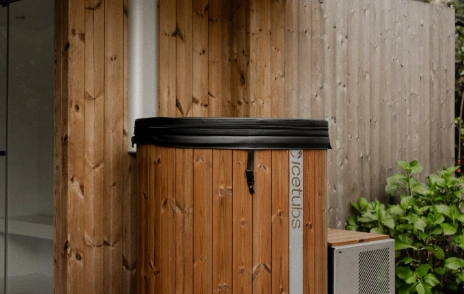
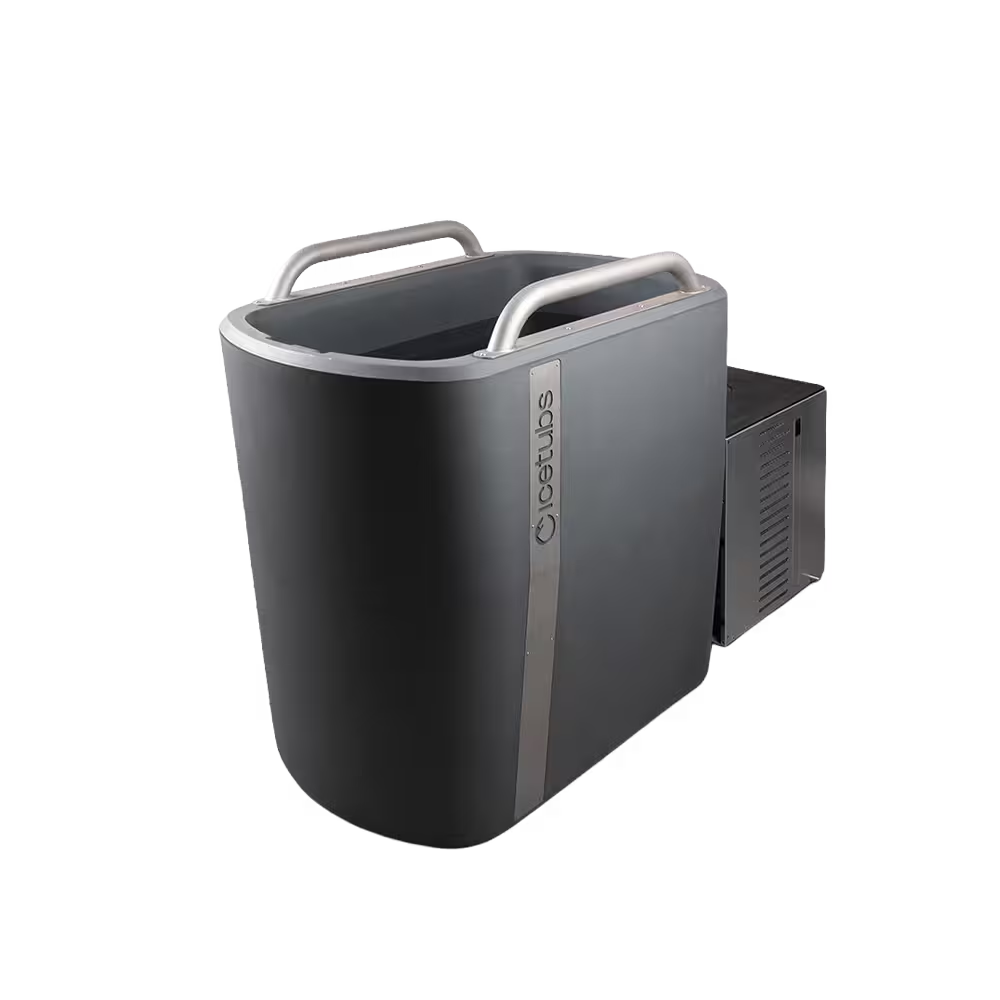
Icetubs is designed around repeatable cold exposure, with controlled temperature and app or display controls that make it easier to prepare for a session without relying on manually added ice.
Resilience Outside the Tub
Feeling uncomfortable does not automatically mean you are improving.
If every session leaves you exhausted, tense, dreading the next one, the routine needs to change. A good practice challenges you while remaining sustainable.
The real value of the practice is what happens beyond the water.
A difficult conversation.
A stressful morning.
An intense workout.
A busy workday.
You cannot control every situation, but you can become more aware of your first response. That is the mindset cold exposure encourages: pause, breathe, notice, respond.
A short, consistent practice is enough. The goal is not tolerance. It is a controlled environment where you practise staying present when your body wants to react.
For the broader mental wellness picture, explore Cold Plunge for Mental Wellbeing: How Cold Therapy May Help