



In this blogpost:
Die besten Kaltwasser-Chiller 2026: Worauf es vor dem Kauf wirklich ankommt
Vergleichen Sie die besten Eisbad-Kühler für 2026 anhand von Kühlleistung, Temperaturregelung, Filterung, Hygiene, Smart-Funktionen, Energieverbrauch und Installationsaufwand.
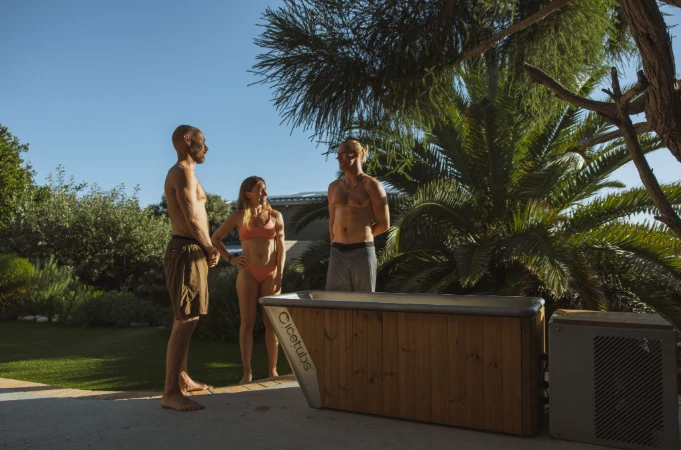
Der beste Eisbad-Kühler ist nicht immer der mit den beeindruckendsten Werten auf dem Datenblatt.
Es ist das Modell, das zu Ihrem Becken, Ihrem Klima, Ihrer Routine und dem gewünschten Wartungsaufwand passt.
Im Jahr 2026 setzen immer mehr Menschen beim Eisbaden auf Technik statt auf Eisbeutel. Man möchte kühleres Wasser ohne ständige Vorbereitung. Gefragt sind Temperaturkontrolle, sauberes Wasser und Systeme, die eine echte Routine unterstützen.
Das macht den Kühler zu einer der wichtigsten Komponenten bei der Entscheidung für ein Eisbad.
Achten Sie auf zuverlässige Kühlleistung
Kühlleistung ist wichtig, sollte aber zu Ihrem Setup passen.
Ein kleines Indoor-Becken stellt andere Anforderungen an die Kühlung als ein großes Außenbecken bei warmem Wetter. Ist der Kühler zu schwach, dauert es zu lange, bis die Zieltemperatur erreicht ist. Ist er überdimensioniert, zahlen Sie für mehr Leistung, als Sie eigentlich benötigen.
Berücksichtigen Sie Wasservolumen, Isolierung, Klima und Ihre Zieltemperatur.
Vergleichen Sie Kühler nicht isoliert, sondern immer im Hinblick auf das Becken, das sie kühlen sollen.
Die Temperaturregelung sollte übersichtlich sein
Ein guter Chiller sollte die Temperatur leicht verständlich machen.
Sie sollten wissen, auf welche Temperatur das Wasser eingestellt ist. Sie sollten sie anpassen können, ohne raten zu müssen, ob das Wasser bereit ist.
Mit Icetubs lässt sich die Temperatur über die App oder direkt am Bedienfeld des Geräts steuern, was Ihnen hilft, wiederholbare Sessions ohne Eis zu gestalten.
Bei der täglichen Nutzung ist diese Einfachheit entscheidend.
Die Filterung sollte Teil des Systems sein
Auch kaltes Wasser muss gereinigt werden.
Jede Session hinterlässt Partikel, Schweiß, Hautfette und Ablagerungen. Wenn das System das Wasser nur kühlt, aber keine Filterung bietet, wird die Wartung unnötig kompliziert.
Achten Sie auf den Filterzugang, die Austauschintervalle, die Durchflussrate und darauf, wie einfach das System instand zu halten ist.
Bei einem Chiller geht es nicht nur um Kälte. Es geht darum, dass das Wasser sauber in Bewegung bleibt.
Hygiene als zusätzliche Schutzschicht
Die Filterung entfernt Partikel. Die Hygiene kümmert sich um das, was die Filterung allein nicht bewältigen kann.
Je nachdem, ob das System privat oder gewerblich genutzt wird, kommen Ozon, UV-Licht, Chlor oder eine Kombination dieser Verfahren zum Einsatz.
Bei der privaten Nutzung kann eine ozongestützte Wasserpflege den manuellen Aufwand verringern, sofern sie mit regelmäßiger Reinigung und Filterpflege kombiniert wird.
Smarte Funktionen sollten den Aufwand minimieren
Smarte Funktionen sind nur dann sinnvoll, wenn sie den Alltag erleichtern.
App-Steuerung, Zeitpläne, Display-Einstellungen und Leistungsüberwachung können bei regelmäßigem Eisbaden hilfreich sein. Sie sollten die Bedienung jedoch nicht unnötig verkomplizieren.
Wenn Sie jeden Morgen baden, kann eine zeitgesteuerte Kühlung nützlich sein. Wenn mehrere Personen das Becken nutzen, sorgen übersichtliche Bedienelemente für Klarheit.
Die beste Technik sollte das Eisbad einfacher machen, nicht technischer.
Auf Geräuschpegel, Luftzirkulation und Standort achten
Ein Chiller benötigt den richtigen Standort, um optimal zu funktionieren.
Die Geräuschentwicklung kann eine Rolle spielen, wenn sich das Becken in der Nähe eines Schlafzimmers, einer Terrasse, eines Wellnessbereichs oder eines Fitnessraums befindet. Der Luftstrom ist wichtig, da der Chiller Wärme abgeben muss. Auch die Platzierung ist entscheidend, da Wasseranschlüsse, Kabel, Abflüsse und Laufwege die Sicherheit beeinflussen.
Stellen Sie sich vor dem Kauf das gesamte Setup vor.
Wo soll der Chiller stehen?
Wohin soll die Wärme abgeleitet werden?
Wo soll das Wasser ablaufen?
Wo werden die Kabel verlegt?
Selbst ein leistungsstarker Chiller kann an einem ungünstigen Standort schnell zur Belastung werden.
Investieren Sie in Ihre Wunschroutine
Der ideale Chiller für das Eisbad sollte dazu beitragen, dass die Anwendung zur festen Gewohnheit wird.
Nicht einfach nur kälter.
Nicht einfach nur technischer.
Nicht einfach nur teurer.
Entscheiden Sie anhand von Kühlleistung, Temperaturregelung, Filterung, Hygiene, Energieverbrauch, Aufstellungsort und Wartungsaufwand.
Um zu verstehen, wie Dimensionierung, Pumpen, Steuerungen, Hygiene und Fehlerbehebung zusammenhängen, nutzen Sie Kaltwasser-Chiller: Der umfassende Einkaufs- und Einrichtungsleitfaden als Ihren zentralen Ratgeber.