



In this blogpost:
30-Tage-Eisbad-Challenge: Was Sie erwartet
Erfahre, was dich bei einer 30-tägigen Eisbad-Challenge erwartet – inklusive Tipps für Anfänger, Routineaufbau, Regeneration und sicherem Fortschritt.
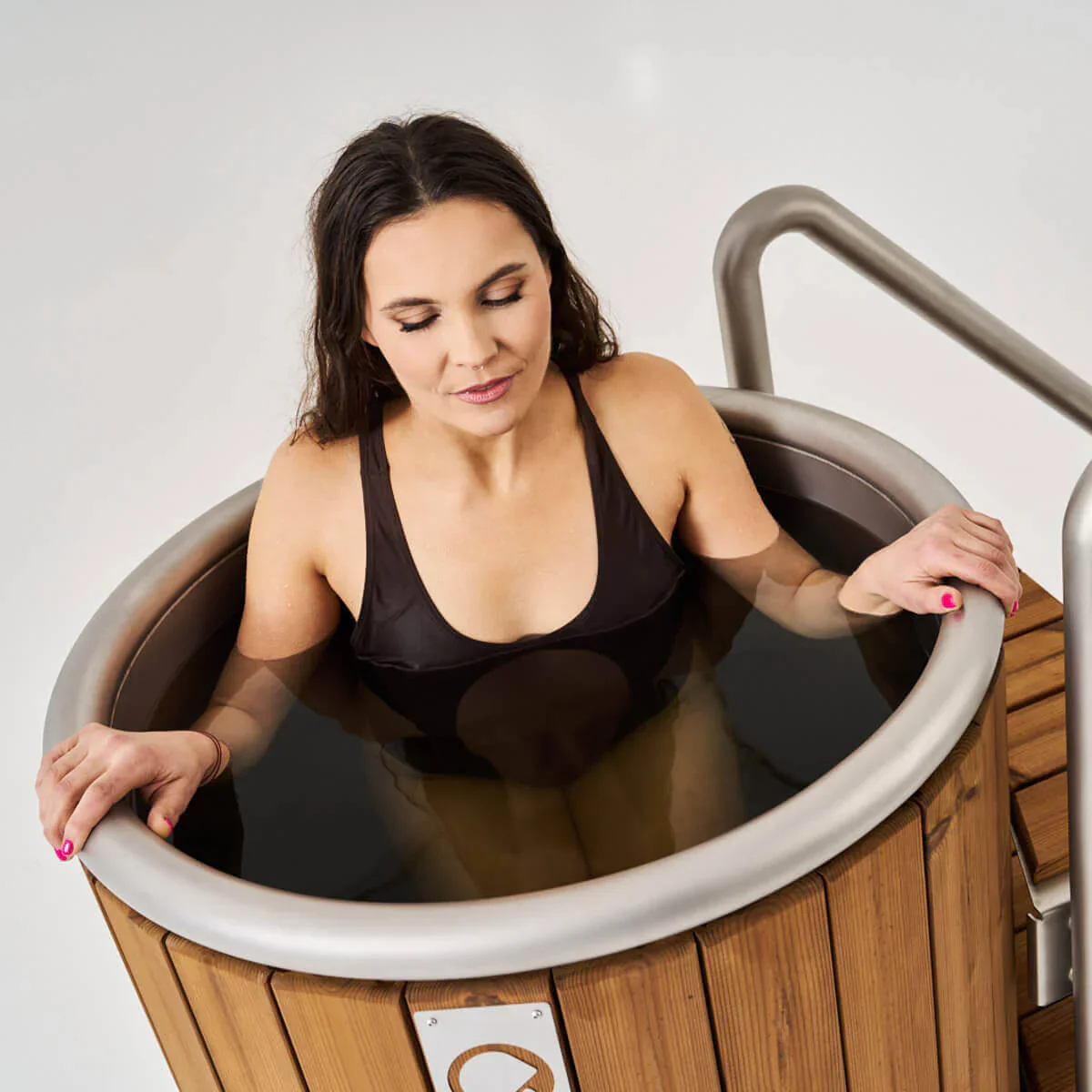
Eine 30-Tage-Eisbad-Challenge klingt simpel.
Erscheinen.
Ins kalte Wasser gehen.
Wiederholen.
Doch die eigentliche Veränderung findet oft zwischen den Einheiten statt. Du beginnst zu bemerken, wie dein Körper reagiert, wie dein Geist verhandelt und wie kleine Routinen für Beständigkeit sorgen.
Das Ziel ist nicht, in 30 Tagen zum Extrem-Athleten zu werden. Das Ziel ist es, eine Praxis zu entwickeln, die du verstehst.
Woche eins: Den Schock kennenlernen
In der ersten Woche geht es meist darum, sich mit der Kälte vertraut zu machen.
Der Körper reagiert möglicherweise schnell. Dein Atem kann flacher werden. Deine Muskeln können sich anspannen. Vielleicht verspürst du den Drang, fast sofort wieder herauszusteigen.
Das ist völlig normal.
Halten Sie die ersten Einheiten kurz und überschaubar. Konzentrieren Sie sich darauf, ruhig ins Wasser zu gehen, langsam zu atmen und das Wasser wieder zu verlassen, bevor es zu anstrengend wird.
In der ersten Woche geht es nicht um die Dauer. Es geht darum, zu lernen, wie Ihr Körper reagiert.
Woche zwei: Den Rhythmus finden
In der zweiten Woche beginnt sich die Routine vertrauter anzufühlen.
Vielleicht spüren Sie vor jeder Einheit immer noch einen gewissen Widerstand, aber der Ablauf ist nicht mehr so fremd. Das Handtuch liegt bereit. Der Zeitplan ist klarer. Der erste Atemzug im Wasser fällt leichter.
Hier beginnt die Beständigkeit.
Versuchen Sie, die Routine einfach zu halten. Nutzen Sie nach Möglichkeit immer die gleiche Tageszeit. Beobachten Sie, wie Sie sich davor und danach fühlen. Achten Sie darauf, ob Einheiten am Morgen, Nachmittag oder Abend am besten zu Ihrem Energielevel passen.
Woche drei: Die Praxis anpassen
Sobald sich die Gewohnheit gefestigt hat, können Sie mit kleinen Anpassungen beginnen.
Das kann bedeuten, die Sitzungen etwas zu verlängern, die Temperatur zu senken oder vor dem Einstieg Atemübungen einzubauen. Ändern Sie immer nur eine Sache auf einmal. Wenn Sie alles gleichzeitig steigern, lässt sich nur schwer feststellen, worauf Ihr Körper reagiert.
Vielleicht stellen Sie auch fest, dass tägliches Baden nicht immer notwendig ist. Manche Menschen fühlen sich mit häufigen Sitzungen wohl. Andere brauchen mehr Erholung.
Eine Herausforderung sollte das Bewusstsein schärfen, nicht unter Druck setzen.
Woche vier: Nachhaltigkeit schaffen
In der letzten Woche geht es darum, wie es weitergeht.
Möchten Sie täglich weitermachen?
Wären drei Sitzungen pro Woche angenehmer?
Bevorzugen Sie den Morgen oder den Abend?
Unterstützt das Eisbad Ihre Regeneration, Ihre Konzentration oder Ihre Stimmung?
Das beste Ergebnis einer 30-Tage-Challenge ist kein Abzeichen für Härte. Es ist ein klareres Verständnis für Ihren eigenen Rhythmus.
Es fällt leichter, zum Eisbaden zurückzukehren, wenn sich die Praxis nachhaltig anfühlt.
Was sich verändern könnte
Während einer 30-Tage-Challenge bemerken viele Menschen mehr als nur die Kälte selbst.
Vielleicht fühlen Sie sich disziplinierter. Vielleicht werden Sie in unangenehmen Situationen gelassener. Vielleicht starten Sie fokussierter in den Tag. Vielleicht bemerken Sie aber auch Tage, an denen Ihr Körper nach Ruhe verlangt.
Beides ist wichtig.
Beim Eisbaden geht es nicht nur darum, durchzuhalten. Es geht auch darum, auf sich selbst zu hören.
Halten Sie den Aufbau einfach
Eine Herausforderung wird schwieriger, wenn der Aufbau zu viel Mühe kostet. Wenn jede Sitzung Eis, Ablassen, Reinigen und Vorbereitung erfordert, kann die Beständigkeit leiden.
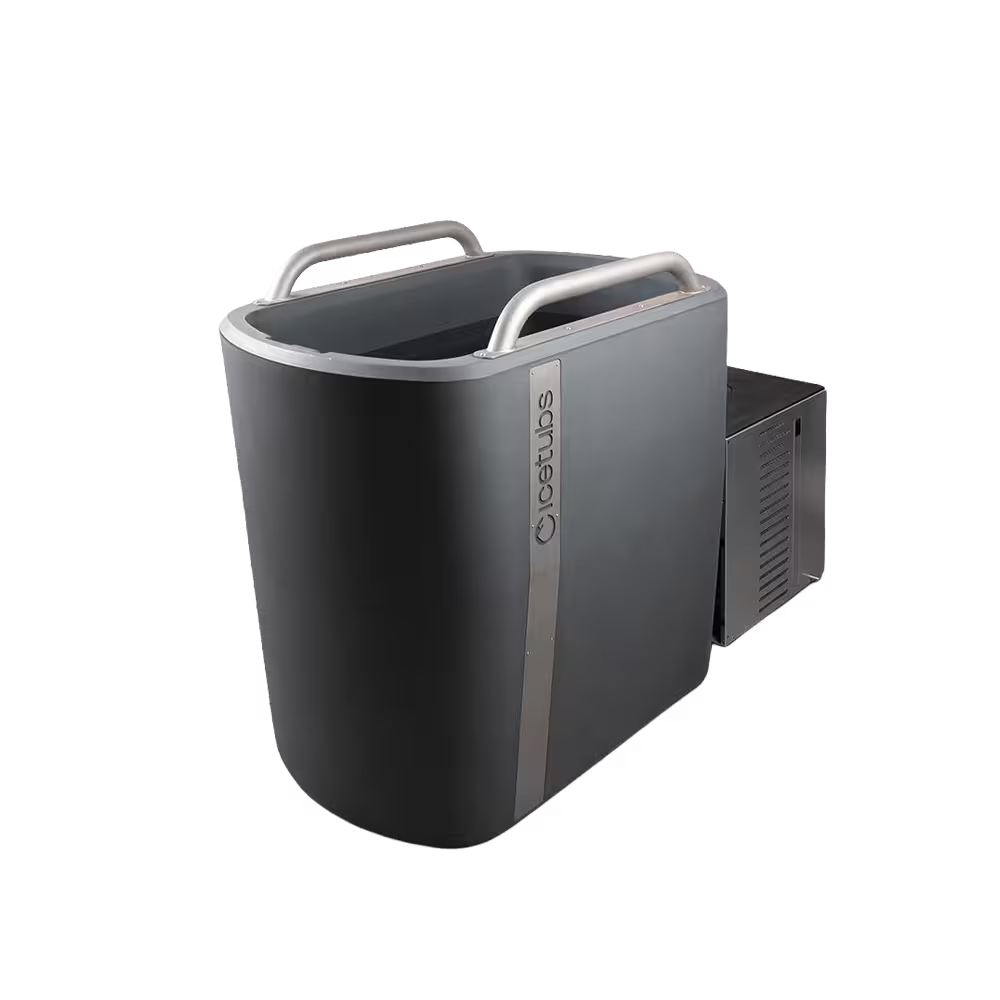
Ein jederzeit einsatzbereiter Eisbad-Bereich macht die Routine reibungsloser. Das ist ein Grund, warum Icetubs oft mit regelmäßigen Kältetherapie-Ritualen in Verbindung gebracht wird und nicht nur mit einmaligen Sitzungen.
Je weniger Reibungspunkte es gibt, desto leichter fällt es, dranzubleiben.
Abschluss mit Bewusstsein
Reflektieren Sie nach 30 Tagen, bevor Sie entscheiden, wie es weitergeht.
Welche Uhrzeit hat am besten funktioniert?
Wie oft war realistisch?
Was hat Ihnen geholfen, dranzubleiben?
Was hat die Routine zu schwierig gemacht?
Nutzen Sie diese Antworten, um Ihren nächsten Rhythmus zu finden.
Für einen umfassenderen Ansatz zu Timing, Atemtechniken, Kontrasttherapie und täglicher Praxis nutzen Sie Methoden & Routinen für das Eisbad: Der komplette Praxis-Guide als Ihre nächste Referenz.