






In this blogpost:
Why a Cold Plunge Can Give Your Mood a Lift
Discover why a cold plunge can affect your mood, energy, and sense of wellbeing, and how the experience may fit into a balanced daily wellness routine.
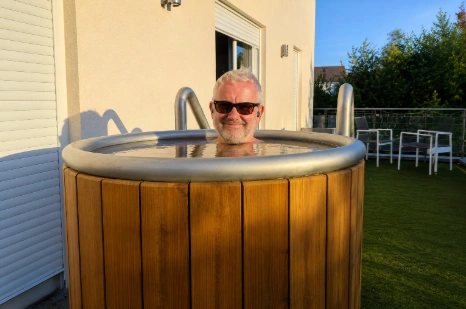
You step into cold water and your attention changes almost instantly.
Your breathing becomes deliberate.
Your body feels intensely awake.
For some people, there is also a noticeable lift in mood once the session is over.
That feeling is one reason cold plunging has become part of so many wellness routines. But what actually causes it?
Why the First Moments Feel So Energising
Cold water creates a strong sensory experience.
Your skin detects the sudden temperature change.
Your nervous system becomes more alert.
Your breathing speeds up.
It is difficult to remain mentally distracted when your entire body is asking for your attention. That alone creates a temporary break from whatever else was occupying your mind.
Cold exposure also activates the sympathetic nervous system and is associated with increased norepinephrine — a chemical messenger involved in alertness and attention. That may help explain why a cold plunge feels stimulating rather than sleepy, sending your brain a strong, immediate signal that something is happening.
The Psychological Element
Getting into cold water requires intention.
You know it will be uncomfortable. You choose to do it anyway.
You enter, breathe, stay composed, finish.
That builds a sense of accomplishment — a small example of following through on something difficult. And that feeling can carry into the rest of your day.
What About Dopamine?
Dopamine is often mentioned when discussing the mood effects of cold exposure.
It plays an important role in motivation, reward, attention, and learning. Cold exposure can influence dopamine-related pathways, but that does not mean a cold plunge simply hands you a guaranteed “dopamine boost.”
The mood effect is better understood as several physiological and psychological processes working together.
For a closer look at the chemistry behind that lift, see What Happens to Your Dopamine During a Cold Plunge.
Making the Lift Last
Whether cold exposure improves your mood long term is harder to answer.
You may consistently feel better right after a plunge. That does not automatically mean a lasting improvement — research in this area is still developing.
The more realistic view: a cold plunge becomes one part of a routine that supports how you structure your day.
You do not need to turn every session into a test. A short morning plunge to feel awake.
Cold exposure after training as a transition between work and personal time.
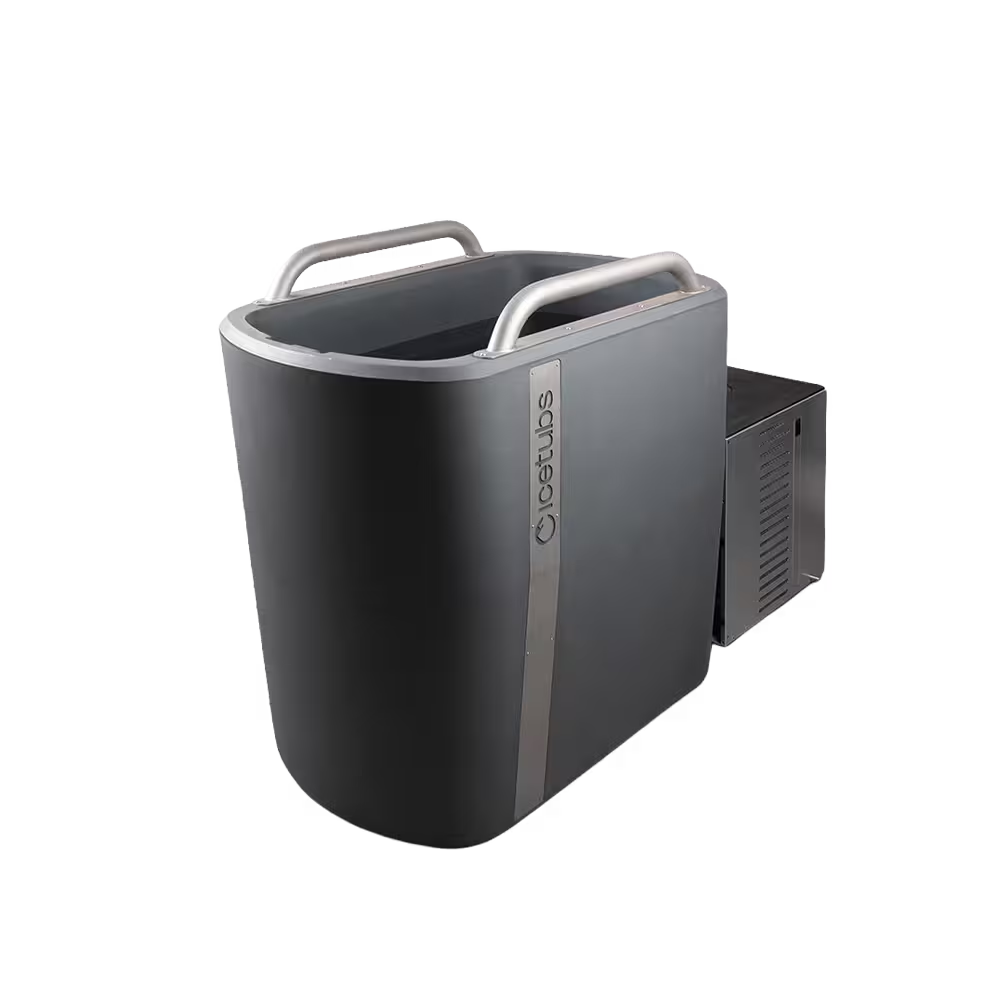
Icetubs makes that easier to repeat, keeping the water at a controlled temperature so you can build the plunge into your routine without preparing an ice bath from scratch each time.
If a particular temperature leaves you feeling energised, going colder will not automatically produce a better mood. Find an exposure that challenges without overwhelming — something you can return to, again and again.
For a deeper look at how cold exposure fits into mental wellbeing, stress, focus, and emotional balance, continue with Cold Plunge for Mental Wellbeing: How Cold Therapy May Help